SOLDES
Jusqu'à -70% sur une sélection d'articles*

A Simple Guide To Pressure Injuries, Diagnosis, Treatment And Related Conditions
Par :Formats :
Disponible dans votre compte client Decitre ou Furet du Nord dès validation de votre commande. Le format ePub est :
- Compatible avec une lecture sur My Vivlio (smartphone, tablette, ordinateur)
- Compatible avec une lecture sur liseuses Vivlio
- Pour les liseuses autres que Vivlio, vous devez utiliser le logiciel Adobe Digital Edition. Non compatible avec la lecture sur les liseuses Kindle, Remarkable et Sony
 , qui est-ce ?
Notre partenaire de plateforme de lecture numérique où vous retrouverez l'ensemble de vos ebooks gratuitement
Pour en savoir plus sur nos ebooks, consultez notre aide en ligne ici
C'est si simple ! Lisez votre ebook avec l'app Vivlio sur votre tablette, mobile ou ordinateur :

- FormatePub
- ISBN978-1-005-01967-9
- EAN9781005019679
- Date de parution13/03/2021
- Protection num.pas de protection
- Infos supplémentairesepub
- ÉditeurC. C. Chamberlane
Résumé
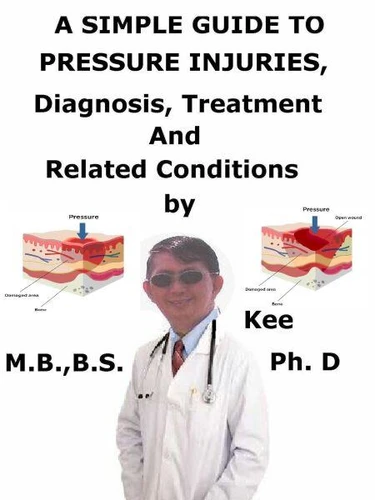
This book describes Pressure Injuries, Diagnosis and Treatment and Related DiseasesA pressure injury (also named a bedsore, pressure ulcer, pressure sore or decubitus ulcer) is a spot of injured skin. Pressure injuries or wounds to the skin and underlying tissue, normally develop at the bony areas of the body, and happen when one or more of these pressure forces are applied to the skin. Pressure injuries are common in those laying on the bed especially the elderlyThere are areas of friction and constant pressure on the skin blood supplyThe results are breakdown of skin and ulcerationsAs a result of constant skin irritations and infectionsFirst there is redness of the irritated skinNext the skin becomes hot and starts blisteringThen the skin bubble breaks and forms an ulcerPain occurs when there is damage to the muscleThe infection spread to the fat tissues causing inflammationFinally the damage affects the bone resulting in septicemiaThe bone and joint is damaged by the infectionAt this stage there may be fever and general inflammationTreatment is by debridement of the pressure injury sores and strong antibioticSurgical treatment and skin grafting may be necessary but traumaticPrevention is by using talcum powder on dry skinTogether with the body being regularly turning-An original poem by Kenneth KeePressure injuries are produced when a force is applied to the skin, causing injury to the tissue.
Constant pressure on the skin happens from staying in the same position for a prolonged period of time. When the skin is "pressed" between a bone inside the body and an external surface for long durations, the blood supply to the skin is decreased. The skin becomes damaged when the lack of blood induces the skin cells to die. This can happen from sitting or lying down for long durations, or from persistent use of a medical device that presses onto the skin.
Shear injury or a dragging force can happen when the head of the bed is raised and the body slides down. The skin is stuck to the bed sheets but internal structures of the skin are injured. When the skin is pulled or scrapes against another surface, the force produced injures the outer layers of the skin, weakening the skin and making it more susceptible to injury. This can happen when pulling someone up a bed, and the heels are towed across the sheets.
Pressure injury happens when the pressure force is applied on the surface of the skin. This force can be a steady pressure on an area of skin or a pulling (shearing) force between the skin and another surface. Fluids (sweat, urine, fecal matter) that stay on the skin can induce the skin to become overly wet, which raises the risk for pressure injury development. These injuries normally happen over the bony parts of the body (hips, heels, tailbone, elbows, head and ankles).
A pressure injury can become life-threatening if it goes on to a deep wound or becomes infected. The most frequent areas to develop a pressure injury are:1. Back of the head2. Buttocks3. HeelsOnce the stage and severity of the wound is identified, it must be cleaned, normally with a saline solution. After the wound is cleaned, it requires be keeping clean, moist, and covered with a proper bandage.
Occasionally debridement is needed to get rid of the wound of dead tissue.1. Ultrasound: Using sound waves to remove the dead tissue.2. Irrigation: Using fluid (often pressurized) to wash away dead tissue.3. Laser: Using focused light beams to remove the dead tissue.4. Biosurgery: Using maggots to eliminate bacteria from the wound.5. Surgery: Using surgery to remove the dead tissue and close the wound.
TABLE OF CONTENT...
Constant pressure on the skin happens from staying in the same position for a prolonged period of time. When the skin is "pressed" between a bone inside the body and an external surface for long durations, the blood supply to the skin is decreased. The skin becomes damaged when the lack of blood induces the skin cells to die. This can happen from sitting or lying down for long durations, or from persistent use of a medical device that presses onto the skin.
Shear injury or a dragging force can happen when the head of the bed is raised and the body slides down. The skin is stuck to the bed sheets but internal structures of the skin are injured. When the skin is pulled or scrapes against another surface, the force produced injures the outer layers of the skin, weakening the skin and making it more susceptible to injury. This can happen when pulling someone up a bed, and the heels are towed across the sheets.
Pressure injury happens when the pressure force is applied on the surface of the skin. This force can be a steady pressure on an area of skin or a pulling (shearing) force between the skin and another surface. Fluids (sweat, urine, fecal matter) that stay on the skin can induce the skin to become overly wet, which raises the risk for pressure injury development. These injuries normally happen over the bony parts of the body (hips, heels, tailbone, elbows, head and ankles).
A pressure injury can become life-threatening if it goes on to a deep wound or becomes infected. The most frequent areas to develop a pressure injury are:1. Back of the head2. Buttocks3. HeelsOnce the stage and severity of the wound is identified, it must be cleaned, normally with a saline solution. After the wound is cleaned, it requires be keeping clean, moist, and covered with a proper bandage.
Occasionally debridement is needed to get rid of the wound of dead tissue.1. Ultrasound: Using sound waves to remove the dead tissue.2. Irrigation: Using fluid (often pressurized) to wash away dead tissue.3. Laser: Using focused light beams to remove the dead tissue.4. Biosurgery: Using maggots to eliminate bacteria from the wound.5. Surgery: Using surgery to remove the dead tissue and close the wound.
TABLE OF CONTENT...
A propos de Kenneth Kee



4,49 €