SOLDES
Jusqu'à -70% sur une sélection d'articles*

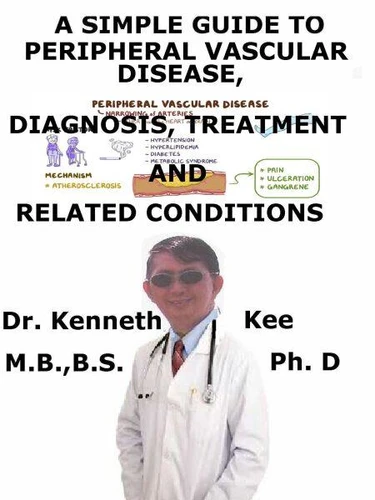
A Simple Guide to Peripheral Vascular Disease, Diagnosis, Treatment and Related Conditions
Par :Formats :
Disponible dans votre compte client Decitre ou Furet du Nord dès validation de votre commande. Le format ePub est :
- Compatible avec une lecture sur My Vivlio (smartphone, tablette, ordinateur)
- Compatible avec une lecture sur liseuses Vivlio
- Pour les liseuses autres que Vivlio, vous devez utiliser le logiciel Adobe Digital Edition. Non compatible avec la lecture sur les liseuses Kindle, Remarkable et Sony
 , qui est-ce ?
Notre partenaire de plateforme de lecture numérique où vous retrouverez l'ensemble de vos ebooks gratuitement
Pour en savoir plus sur nos ebooks, consultez notre aide en ligne ici
C'est si simple ! Lisez votre ebook avec l'app Vivlio sur votre tablette, mobile ou ordinateur :

- FormatePub
- ISBN978-1-005-35070-3
- EAN9781005350703
- Date de parution26/10/2021
- Protection num.pas de protection
- Infos supplémentairesepub
- ÉditeurC. C. Chamberlane
Résumé
This book describes Peripheral Vascular Disease, Diagnosis and Treatment and Related DiseasesPeripheral Vascular disease (PVD) is the narrowing, blockage or spasm of blood vessels in the arms, abdomen and legs (peripheral blood vessels). Blood vessels are:1. Arteries (except pulmonary artery) transport oxygenated blood and2. Veins (except pulmonary vein) transport de-oxygenated blood. PVD normally produces pain and fatigue, often in the legs, and especially during exercise.
The pain normally improves with rest. It can also involve the vessels that supply blood and oxygen to the:1. Arms2. Stomach and intestines3. KidneysIn PVD, blood vessels become narrowed and blood flow reduces. This can be caused by arteriosclerosis or by blood vessel spasms. In arteriosclerosis, plaques build up in a vessel and limit the flow of blood and oxygen to the organs and limbs. As plaque growth advances, blood clots may develop and entirely block the artery.
Constriction of arteries and veins leads to artery disease which produces less oxygenated blood to flow to the different parts of the body leading to cell or tissue death. This can cause organ injury and loss of fingers, toes, or limbs, if left untreated. The result is gangrene, which is a disorder in which the cells and tissues of the body extremities die. When this happens, amputation of those parts of the body may need to be done.
Peripheral arterial disease (PAD) is produced only in the arteries, which transport oxygen-rich blood away from the heart. PAD is the most frequent form of PVD, so the terms are often used to mean the same disorder. The types of PVD are:1. Functional PVD means there's no physical damage to the blood vessels' structure. The vessels naturally widen and narrow in reaction to the environment. But in functional PVD, the vessels exaggerate their reaction.
The most frequent causes of functional PVD are:1. Emotional stress2. Cold temperatures3. Operating vibrating machinery or tools4. Drugs2. Organic PVD involves alterations in blood vessel structure like inflammation, plaques, and tissue damage. The plaque buildup from arteriosclerosis can produce the blood vessels to narrow. The primary causes of organic PVD are:1. Smoking2. High blood pressure3. Diabetes4.
High cholesterolAdditional causes of organic PVD are extreme injuries, muscles or ligaments with abnormal structures, blood vessel inflammation, and infection. The most frequent symptom of PVD and PAD is intermittent claudication. Claudication is lower limb muscle pain when walking. The patient may notice the pain when the patient is walking faster or for long distances. It normally goes away after some rest.
Diagnosis is by angiography where the flow of dye through blood vessels can locate the clogged arteryFirst-line treatment normally involves lifestyle modifications such as avoiding smoking, walking, a balanced diet, and losing weight. Medicines for Peripheral Vascular Disease are:Cilostazol or Naftidrofuryl to elevate blood flow and relieve symptoms of claudicationVascular surgery permits blood to bypass the narrow area through vein graftingAngioplasty is when the doctor inserts a catheter with a balloon on the tip of the catheter can dilate and widen the artery.
A small wire tube in the artery called a stent (with drug-eluting) helps to keep it openA new treatment for PVD is the use of growth factor (genes, proteins) and cell therapyTABLE OF CONTENTIntroductionChapter 1 Peripheral Vascular DiseaseChapter 2 CausesChapter 3 SymptomsChapter 4 DiagnosisChapter 5 Treatment...
The pain normally improves with rest. It can also involve the vessels that supply blood and oxygen to the:1. Arms2. Stomach and intestines3. KidneysIn PVD, blood vessels become narrowed and blood flow reduces. This can be caused by arteriosclerosis or by blood vessel spasms. In arteriosclerosis, plaques build up in a vessel and limit the flow of blood and oxygen to the organs and limbs. As plaque growth advances, blood clots may develop and entirely block the artery.
Constriction of arteries and veins leads to artery disease which produces less oxygenated blood to flow to the different parts of the body leading to cell or tissue death. This can cause organ injury and loss of fingers, toes, or limbs, if left untreated. The result is gangrene, which is a disorder in which the cells and tissues of the body extremities die. When this happens, amputation of those parts of the body may need to be done.
Peripheral arterial disease (PAD) is produced only in the arteries, which transport oxygen-rich blood away from the heart. PAD is the most frequent form of PVD, so the terms are often used to mean the same disorder. The types of PVD are:1. Functional PVD means there's no physical damage to the blood vessels' structure. The vessels naturally widen and narrow in reaction to the environment. But in functional PVD, the vessels exaggerate their reaction.
The most frequent causes of functional PVD are:1. Emotional stress2. Cold temperatures3. Operating vibrating machinery or tools4. Drugs2. Organic PVD involves alterations in blood vessel structure like inflammation, plaques, and tissue damage. The plaque buildup from arteriosclerosis can produce the blood vessels to narrow. The primary causes of organic PVD are:1. Smoking2. High blood pressure3. Diabetes4.
High cholesterolAdditional causes of organic PVD are extreme injuries, muscles or ligaments with abnormal structures, blood vessel inflammation, and infection. The most frequent symptom of PVD and PAD is intermittent claudication. Claudication is lower limb muscle pain when walking. The patient may notice the pain when the patient is walking faster or for long distances. It normally goes away after some rest.
Diagnosis is by angiography where the flow of dye through blood vessels can locate the clogged arteryFirst-line treatment normally involves lifestyle modifications such as avoiding smoking, walking, a balanced diet, and losing weight. Medicines for Peripheral Vascular Disease are:Cilostazol or Naftidrofuryl to elevate blood flow and relieve symptoms of claudicationVascular surgery permits blood to bypass the narrow area through vein graftingAngioplasty is when the doctor inserts a catheter with a balloon on the tip of the catheter can dilate and widen the artery.
A small wire tube in the artery called a stent (with drug-eluting) helps to keep it openA new treatment for PVD is the use of growth factor (genes, proteins) and cell therapyTABLE OF CONTENTIntroductionChapter 1 Peripheral Vascular DiseaseChapter 2 CausesChapter 3 SymptomsChapter 4 DiagnosisChapter 5 Treatment...
A propos de Kenneth Kee
4,49 €