SOLDES
Jusqu'à -70% sur une sélection d'articles*

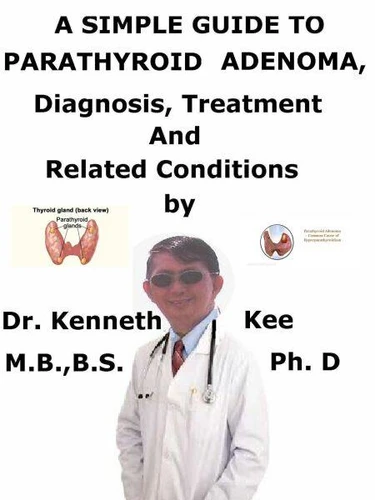
A Simple Guide to Parathyroid Adenoma, Diagnosis, Treatment and Related Conditions
Par :Formats :
Disponible dans votre compte client Decitre ou Furet du Nord dès validation de votre commande. Le format ePub est :
- Compatible avec une lecture sur My Vivlio (smartphone, tablette, ordinateur)
- Compatible avec une lecture sur liseuses Vivlio
- Pour les liseuses autres que Vivlio, vous devez utiliser le logiciel Adobe Digital Edition. Non compatible avec la lecture sur les liseuses Kindle, Remarkable et Sony
 , qui est-ce ?
Notre partenaire de plateforme de lecture numérique où vous retrouverez l'ensemble de vos ebooks gratuitement
Pour en savoir plus sur nos ebooks, consultez notre aide en ligne ici
C'est si simple ! Lisez votre ebook avec l'app Vivlio sur votre tablette, mobile ou ordinateur :

- FormatePub
- ISBN978-1-005-85001-2
- EAN9781005850012
- Date de parution21/07/2021
- Protection num.pas de protection
- Infos supplémentairesepub
- ÉditeurC. C. Chamberlane
Résumé
This book describes Parathyroid Adenoma, Diagnosis and Treatment and Related DiseasesA parathyroid adenoma is a benign tumor present on one of the parathyroid glands. The parathyroid glands are 4 very small glands sited near or at the back of the thyroid gland. They produce parathyroid hormone (PTH) that helps to control the quantity of calcium and phosphorus in the blood. Parathyroid adenoma induces the affected gland to release more PTH than it should.
This disturbs the calcium and phosphorus balance. This disorder is called hyperparathyroidism. The patient may be genetically predisposed to develop these tumors. Radiation exposure may also result in an increased likelihood of developing a parathyroid adenoma. The patient tends more likely to develop a parathyroid adenoma if the person is a woman and over 60 years old. These tumors happen in men and women of other ages as well.
There is a good possibility that the patient will not experience any symptoms if the patient has this disorder. People often discover they have one of these tumors during a blood test for another disorder. These tumors can cause hyperparathyroidism. In fact, these tumors are the most frequent cause of this disorder. The hyperparathyroidism linked with these tumors can produce issues with the bones, since the calcium levels are affected.
The bones might be:1. Fragile2. Brittle3. PainfulHyperparathyroidism may induce the patient to develop:1. Bone fractures2. Kidney stones3. Excessive urinationBesides these symptoms, the patient may have more general or nonspecific symptoms. These might be:1. Mental changes such as depression, lethargy, or confusion2. Nausea3. Vomiting4. Pain in the muscles or abdomenToo much calcium in the blood (hypercalcemia) can produce a number of symptoms and medical disorders.
These are:1. Fatigue.2. Worsening memory and concentration.3. Depression, irritability or mental confusion.4. Kidney stones.5. Bone and joint pain, 6. Osteoporosis.7. Abdominal pain.8. General aches and pains from no obvious cause. Since these tumors induce the body to produce too much PTH, the doctor will examine the blood levels for this hormone. Since PTH helps control the calcium and phosphorus, abnormal levels of those minerals in the blood may also indicate that the patient have one of these tumors.
The doctor might evaluate the bone density and look for kidney stones with:1. X-ray2. Ultrasound3. CT scanThe treatment normally requires a surgical removal of the tumor. The presence of one of these tumors used to indicate that doctors would need to examine all four of the parathyroid glands during surgery. Today's technology permits doctors to determine before surgery where the tumor is and whether the patient has more than one.
Only around 10 percent of people with this disorder have a tumor in more than one gland. These surgeries are very effective in curing the tumors in 90 percent of cases. If the disorder is mild, the doctor might decide not to perform the surgery. Instead, they might simply watch and monitor the tumor. Doctors may prescribe medications for the disorderHormone replacement therapy may be useful for postmenopausal women whose bone density poses a concern.
For other patients, doctors may prescribe calcimimetics (drugs that can decrease the secretion of PTH). TABLE OF CONTENTIntroductionChapter 1 Parathyroid AdenomaChapter 2 CausesChapter 3 SymptomsChapter 4 DiagnosisChapter 5 TreatmentChapter 6 PrognosisChapter 7 Parathyroid CancerChapter 8 HyperparathyroidismE...
This disturbs the calcium and phosphorus balance. This disorder is called hyperparathyroidism. The patient may be genetically predisposed to develop these tumors. Radiation exposure may also result in an increased likelihood of developing a parathyroid adenoma. The patient tends more likely to develop a parathyroid adenoma if the person is a woman and over 60 years old. These tumors happen in men and women of other ages as well.
There is a good possibility that the patient will not experience any symptoms if the patient has this disorder. People often discover they have one of these tumors during a blood test for another disorder. These tumors can cause hyperparathyroidism. In fact, these tumors are the most frequent cause of this disorder. The hyperparathyroidism linked with these tumors can produce issues with the bones, since the calcium levels are affected.
The bones might be:1. Fragile2. Brittle3. PainfulHyperparathyroidism may induce the patient to develop:1. Bone fractures2. Kidney stones3. Excessive urinationBesides these symptoms, the patient may have more general or nonspecific symptoms. These might be:1. Mental changes such as depression, lethargy, or confusion2. Nausea3. Vomiting4. Pain in the muscles or abdomenToo much calcium in the blood (hypercalcemia) can produce a number of symptoms and medical disorders.
These are:1. Fatigue.2. Worsening memory and concentration.3. Depression, irritability or mental confusion.4. Kidney stones.5. Bone and joint pain, 6. Osteoporosis.7. Abdominal pain.8. General aches and pains from no obvious cause. Since these tumors induce the body to produce too much PTH, the doctor will examine the blood levels for this hormone. Since PTH helps control the calcium and phosphorus, abnormal levels of those minerals in the blood may also indicate that the patient have one of these tumors.
The doctor might evaluate the bone density and look for kidney stones with:1. X-ray2. Ultrasound3. CT scanThe treatment normally requires a surgical removal of the tumor. The presence of one of these tumors used to indicate that doctors would need to examine all four of the parathyroid glands during surgery. Today's technology permits doctors to determine before surgery where the tumor is and whether the patient has more than one.
Only around 10 percent of people with this disorder have a tumor in more than one gland. These surgeries are very effective in curing the tumors in 90 percent of cases. If the disorder is mild, the doctor might decide not to perform the surgery. Instead, they might simply watch and monitor the tumor. Doctors may prescribe medications for the disorderHormone replacement therapy may be useful for postmenopausal women whose bone density poses a concern.
For other patients, doctors may prescribe calcimimetics (drugs that can decrease the secretion of PTH). TABLE OF CONTENTIntroductionChapter 1 Parathyroid AdenomaChapter 2 CausesChapter 3 SymptomsChapter 4 DiagnosisChapter 5 TreatmentChapter 6 PrognosisChapter 7 Parathyroid CancerChapter 8 HyperparathyroidismE...
A propos de Kenneth Kee

4,49 €