SOLDES
Jusqu'à -70% sur une sélection d'articles*

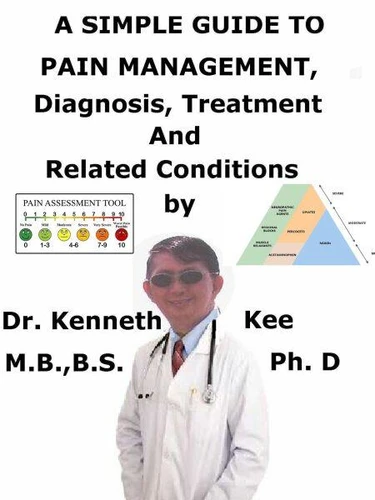
A Simple Guide to Pain Management, Diagnosis, Treatment and Related Conditions
Par :Formats :
Disponible dans votre compte client Decitre ou Furet du Nord dès validation de votre commande. Le format ePub est :
- Compatible avec une lecture sur My Vivlio (smartphone, tablette, ordinateur)
- Compatible avec une lecture sur liseuses Vivlio
- Pour les liseuses autres que Vivlio, vous devez utiliser le logiciel Adobe Digital Edition. Non compatible avec la lecture sur les liseuses Kindle, Remarkable et Sony
 , qui est-ce ?
Notre partenaire de plateforme de lecture numérique où vous retrouverez l'ensemble de vos ebooks gratuitement
Pour en savoir plus sur nos ebooks, consultez notre aide en ligne ici
C'est si simple ! Lisez votre ebook avec l'app Vivlio sur votre tablette, mobile ou ordinateur :

- FormatePub
- ISBN978-1-005-61368-6
- EAN9781005613686
- Date de parution31/08/2021
- Protection num.pas de protection
- Infos supplémentairesepub
- ÉditeurC. C. Chamberlane
Résumé
This book describes Pain Management, Diagnosis and Treatment and Related DiseasesPain and suffering is part of human life. As much as people try to avoid pain, the reality is that there can be no gain without pain. Pain is a symptom which appears as an unpleasant sensation in the human body in different degrees of severity as a result of injury, disease, or emotional disorder. Definition of pain1.
Pain is a sensation which starts in the nervous system and hurts the body.2. It may be sharp or dull.3. Pain may be intermittent, or it may be constant.4. Pain may be felt in one area of the body, such as the back, abdomen or chest or all over such as body aches from a viral infection. Function of PainPain is the body's sensation which tells the body where there is a problem, injury or disease. Without pain, a person may not even know that he has been injured or burned.
A person might be seriously burnt or injured if there is no pain. Once the disorder is treated, the pain normally disappears. In some cases, pain goes on for weeks, months or even years. This is called chronic pain. Chronic pain is normally due to a prolonged cause such as cancer or arthritis. Occasionally the cause is not known. Degree of PainA. Acute pain tends resolve in a short period of time but has sharp, aching sensation linked with it.
The degree of pain depends on the severity:1. Unimaginable or unspeakable Pain:Birth or Labor Pain has been depicted as the highest degree of pain2. Excruciating or Unbearable Pain:Kidney stone or gall stone blockage pain has been depicted as the number two in the degree of pain3. Utterly Horrible Pain:Crushed hand or limb as a result of accident give rise to severe degree of pain4. Very Intense Pain:Nerve pain such as sciatica or neuralgia has also depicted as severe pain5.
Intense Pain:Severe migraine headache or the intense pain of a burst brain aneurysm6. Very Distressing Pain:Very Bad Back Pain7. Distressing Pain:Average Toothache8. Severe Pain:Accidental cut or a blow on the noseB. Chronic pain is normally dull, throbbing ache that could persist more than 6 months. For someone who suffered from chronic pain, chronic pain can influence their everyday life without their realizing it.
Chronic pain is also linked toDepressionAnxietySleeping disorders. This may even reduce chronic pain sufferers' ability to stay normal. Chronic pain could affect mobility and flexibility. Pain can induce alterations in the physical and emotional health, such as depression and sleep disorders. Pain management may assist the patient to rest, heal, and return to the daily activities. Pain management involves medicines and treatments to treat pain from a surgery, injury, or illness.
Non-opioids:AcetaminophenNSAIDSWeak opioids:CodeineTramadolStrong Opioids:FentanylMorphineNon-pharmacological treatments:AcupunctureBiofeedbackBraces and supportsChiropractic therapyCognitive-behavioral therapyElectromuscular stimulationGuided imageryHot/cold packsHypnosisMassageMindfulnessPhysical and occupational therapyPsychosocial therapyRadiofrequency ablationRelaxationSpinal cord stimulationSurgeryTranscutaneous electrical nerve stimulation (TENS)UltrasoundTABLE OF CONTENTIntroductionChapter 1 Pain ManagementChapter 2 CausesChapter 3 SymptomsChapter 4 DiagnosisChapter 5 TreatmentChapter 6 PrognosisChapter 7 Pain management SpecialistChapter 8 Trigeminal NeuralgiaEpilogue
Pain is a sensation which starts in the nervous system and hurts the body.2. It may be sharp or dull.3. Pain may be intermittent, or it may be constant.4. Pain may be felt in one area of the body, such as the back, abdomen or chest or all over such as body aches from a viral infection. Function of PainPain is the body's sensation which tells the body where there is a problem, injury or disease. Without pain, a person may not even know that he has been injured or burned.
A person might be seriously burnt or injured if there is no pain. Once the disorder is treated, the pain normally disappears. In some cases, pain goes on for weeks, months or even years. This is called chronic pain. Chronic pain is normally due to a prolonged cause such as cancer or arthritis. Occasionally the cause is not known. Degree of PainA. Acute pain tends resolve in a short period of time but has sharp, aching sensation linked with it.
The degree of pain depends on the severity:1. Unimaginable or unspeakable Pain:Birth or Labor Pain has been depicted as the highest degree of pain2. Excruciating or Unbearable Pain:Kidney stone or gall stone blockage pain has been depicted as the number two in the degree of pain3. Utterly Horrible Pain:Crushed hand or limb as a result of accident give rise to severe degree of pain4. Very Intense Pain:Nerve pain such as sciatica or neuralgia has also depicted as severe pain5.
Intense Pain:Severe migraine headache or the intense pain of a burst brain aneurysm6. Very Distressing Pain:Very Bad Back Pain7. Distressing Pain:Average Toothache8. Severe Pain:Accidental cut or a blow on the noseB. Chronic pain is normally dull, throbbing ache that could persist more than 6 months. For someone who suffered from chronic pain, chronic pain can influence their everyday life without their realizing it.
Chronic pain is also linked toDepressionAnxietySleeping disorders. This may even reduce chronic pain sufferers' ability to stay normal. Chronic pain could affect mobility and flexibility. Pain can induce alterations in the physical and emotional health, such as depression and sleep disorders. Pain management may assist the patient to rest, heal, and return to the daily activities. Pain management involves medicines and treatments to treat pain from a surgery, injury, or illness.
Non-opioids:AcetaminophenNSAIDSWeak opioids:CodeineTramadolStrong Opioids:FentanylMorphineNon-pharmacological treatments:AcupunctureBiofeedbackBraces and supportsChiropractic therapyCognitive-behavioral therapyElectromuscular stimulationGuided imageryHot/cold packsHypnosisMassageMindfulnessPhysical and occupational therapyPsychosocial therapyRadiofrequency ablationRelaxationSpinal cord stimulationSurgeryTranscutaneous electrical nerve stimulation (TENS)UltrasoundTABLE OF CONTENTIntroductionChapter 1 Pain ManagementChapter 2 CausesChapter 3 SymptomsChapter 4 DiagnosisChapter 5 TreatmentChapter 6 PrognosisChapter 7 Pain management SpecialistChapter 8 Trigeminal NeuralgiaEpilogue
A propos de Kenneth Kee

4,49 €