SOLDES
Jusqu'à -70% sur une sélection d'articles*

A Simple Guide to Muscle Spasticity, Diagnosis, Treatment and Related Conditions
Par :Formats :
Disponible dans votre compte client Decitre ou Furet du Nord dès validation de votre commande. Le format ePub est :
- Compatible avec une lecture sur My Vivlio (smartphone, tablette, ordinateur)
- Compatible avec une lecture sur liseuses Vivlio
- Pour les liseuses autres que Vivlio, vous devez utiliser le logiciel Adobe Digital Edition. Non compatible avec la lecture sur les liseuses Kindle, Remarkable et Sony
 , qui est-ce ?
Notre partenaire de plateforme de lecture numérique où vous retrouverez l'ensemble de vos ebooks gratuitement
Pour en savoir plus sur nos ebooks, consultez notre aide en ligne ici
C'est si simple ! Lisez votre ebook avec l'app Vivlio sur votre tablette, mobile ou ordinateur :

- FormatePub
- ISBN978-1-005-88067-5
- EAN9781005880675
- Date de parution29/10/2022
- Protection num.pas de protection
- Infos supplémentairesepub
- ÉditeurC. C. Chamberlane
Résumé
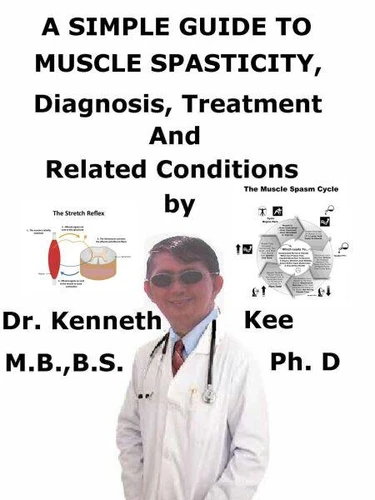
This book describes Muscle Spasticity, Diagnosis and Treatment and Related DiseasesMuscle splasticity is a disorder in which muscles stiffen up or tighten due to an abnormal rise in muscle tone stopping normal fluid movement. It forces certain muscles to contract all at the same time. The muscles stay contracted and avoid being stretched. This may disrupt movement, speech and gait or be linked with discomfort or pain.
Prolonged muscle spasticity can lead to:Frozen jointsMuscle ContracturesAn inability to function normally:WalkMoveTalkThis is why muscle spasticity is so important and should be treated earlyMuscle Splasticity is normally produced by injury to nerve pathways within the brain or spinal cord that regulates muscle movement. Symptoms may be:Hyper-tonicity (increased muscle tone), Clonus (fast involuntary muscle contractions), Exaggerated deep tendon reflexes, Muscle spasms, scissoring (involuntary crossing of the legs), andFixed joints (contractures).
The degree of muscle spasticity differs from mild muscle stiffness to severe, painful, and unmanageable muscle spasms. Muscle Splasticity can disrupt rehabilitation in patients with certain disorders, and often disrupt daily activities. It can be tight and painful at times. Muscle Splasticity happens when the nerve impulses that manage muscle movement are disrupted or damaged. Muscle Splasticity can have some benefit for people with very weak legs.
The rigidity from muscle spasticity can permit them to stand or walk. For these people, the aim of treatment should be to alleviate pain while retaining the rigidity that is required to function. Muscle spasticity is a disruption in muscle movement patterns that produces certain muscles to contract all at once when the patient try to move or even at rest. The muscles maintain contraction and oppose being stretched.
It disrupts movement and can involve the speech and gait. Muscle spasticity can differ greatly in how it involves someone. It may be as mild as the sensation of tightness of the muscles or may be so severe that it produces painful, uncontrollable stiffness and spasms of the extremities. Muscle spasticity can cause these signs:Increased muscle tone (hyper-tonia). Muscle spasms (quick sustained involuntary muscle contractions).
Clonus (fast involuntary muscle contractions most often in the ankles). Involuntary crossing of the legs. Pain or discomfort. Abnormal posture. Contracture (permanent contracted muscle due to lasting spasms). Muscle, joint and/or bone deformities. Difficulty performing daily activities and difficulty to help with dressing and bathing. Sleep disruption due to painful spasms or muscle tightness. While there is no cure for Muscle spasticity, the treatments can help relieve symptoms and improve the quality of life.
There are several treatments for muscle spasticity such as:1. MedicinesMuscle relaxants: Baclofen, Dantrolene sodiumBenzodiazepine: Clonazepam, diazepamNerve blockers: Gabapentin, Tizanidine2. Physical therapyStretching activities can help alleviate muscle spasticity. Strengthening exercises3. Occupational therapy4. Casting or bracing5. Botox or phenol injection6. Surgery is used in some cases. Intra-thecal Baclofen pumpSelective Dorsal RhizotomyTranscranial Magnetic StimulationSpinal cord stimulation7.
Orthopedic surgeryContracture releaseTendon transferOsteotomy8. BiofeedbackElectrical stimulationTABLE OF CONTENTIntroductionChapter 1 Muscle SpasticityChapter 2 CausesChapter 3 SymptomsChapter 4 DiagnosisCha...
Prolonged muscle spasticity can lead to:Frozen jointsMuscle ContracturesAn inability to function normally:WalkMoveTalkThis is why muscle spasticity is so important and should be treated earlyMuscle Splasticity is normally produced by injury to nerve pathways within the brain or spinal cord that regulates muscle movement. Symptoms may be:Hyper-tonicity (increased muscle tone), Clonus (fast involuntary muscle contractions), Exaggerated deep tendon reflexes, Muscle spasms, scissoring (involuntary crossing of the legs), andFixed joints (contractures).
The degree of muscle spasticity differs from mild muscle stiffness to severe, painful, and unmanageable muscle spasms. Muscle Splasticity can disrupt rehabilitation in patients with certain disorders, and often disrupt daily activities. It can be tight and painful at times. Muscle Splasticity happens when the nerve impulses that manage muscle movement are disrupted or damaged. Muscle Splasticity can have some benefit for people with very weak legs.
The rigidity from muscle spasticity can permit them to stand or walk. For these people, the aim of treatment should be to alleviate pain while retaining the rigidity that is required to function. Muscle spasticity is a disruption in muscle movement patterns that produces certain muscles to contract all at once when the patient try to move or even at rest. The muscles maintain contraction and oppose being stretched.
It disrupts movement and can involve the speech and gait. Muscle spasticity can differ greatly in how it involves someone. It may be as mild as the sensation of tightness of the muscles or may be so severe that it produces painful, uncontrollable stiffness and spasms of the extremities. Muscle spasticity can cause these signs:Increased muscle tone (hyper-tonia). Muscle spasms (quick sustained involuntary muscle contractions).
Clonus (fast involuntary muscle contractions most often in the ankles). Involuntary crossing of the legs. Pain or discomfort. Abnormal posture. Contracture (permanent contracted muscle due to lasting spasms). Muscle, joint and/or bone deformities. Difficulty performing daily activities and difficulty to help with dressing and bathing. Sleep disruption due to painful spasms or muscle tightness. While there is no cure for Muscle spasticity, the treatments can help relieve symptoms and improve the quality of life.
There are several treatments for muscle spasticity such as:1. MedicinesMuscle relaxants: Baclofen, Dantrolene sodiumBenzodiazepine: Clonazepam, diazepamNerve blockers: Gabapentin, Tizanidine2. Physical therapyStretching activities can help alleviate muscle spasticity. Strengthening exercises3. Occupational therapy4. Casting or bracing5. Botox or phenol injection6. Surgery is used in some cases. Intra-thecal Baclofen pumpSelective Dorsal RhizotomyTranscranial Magnetic StimulationSpinal cord stimulation7.
Orthopedic surgeryContracture releaseTendon transferOsteotomy8. BiofeedbackElectrical stimulationTABLE OF CONTENTIntroductionChapter 1 Muscle SpasticityChapter 2 CausesChapter 3 SymptomsChapter 4 DiagnosisCha...
A propos de Kenneth Kee


4,49 €