SOLDES
Jusqu'à -70% sur une sélection d'articles*

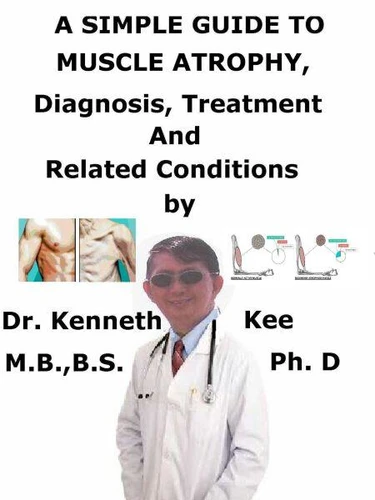
A Simple Guide to Muscle Atrophy, Diagnosis, Treatment and Related Conditions
Par :Formats :
Disponible dans votre compte client Decitre ou Furet du Nord dès validation de votre commande. Le format ePub est :
- Compatible avec une lecture sur My Vivlio (smartphone, tablette, ordinateur)
- Compatible avec une lecture sur liseuses Vivlio
- Pour les liseuses autres que Vivlio, vous devez utiliser le logiciel Adobe Digital Edition. Non compatible avec la lecture sur les liseuses Kindle, Remarkable et Sony
 , qui est-ce ?
Notre partenaire de plateforme de lecture numérique où vous retrouverez l'ensemble de vos ebooks gratuitement
Pour en savoir plus sur nos ebooks, consultez notre aide en ligne ici
C'est si simple ! Lisez votre ebook avec l'app Vivlio sur votre tablette, mobile ou ordinateur :

- FormatePub
- ISBN978-1-005-29413-7
- EAN9781005294137
- Date de parution09/08/2022
- Protection num.pas de protection
- Infos supplémentairesepub
- ÉditeurC. C. Chamberlane
Résumé
This book describes Muscle Atrophy, Diagnosis and Treatment and Related DiseasesMuscle atrophy is the loss or wasting (thinning) of the muscle tissue. If the patient has atrophied muscles, the patient will notice a decrease in the muscle mass and strength. With muscle atrophy, the muscles appear smaller than normal. Muscle atrophy may be caused by age, lack of use, or disease. It can involve people at any age, including infants and the elderly.
Muscle atrophy can also happen in one part of the body while sparing other parts. Muscle atrophy can happen due to malnutrition, age, genetics, muscle injury, reduced muscle activity, lack of physical activity or certain medical disorders.1. Disuse or physiologic atrophy happens when the patient does not use the muscles enough. The lack of physical activity for long period gives rise to muscle inactivity.
As a result, person is not able to do muscular movements, faces difficulty in muscle coordination, and loses muscle strength.2. Neurogenic atrophy happens due to nerve problems or nerve diseases.3. Pathologic atrophy happens due to aging, starvation, and medical disordersUnused muscles can waste away if the person does not actively move the muscles. This type of atrophy can often be reversed with exercise and improved nutrition.
Muscle atrophy can also result if the person is bedridden or unable to move certain body partsAstronauts can develop muscle atrophy after a few days of weightlessness. Other causes for muscle atrophy are:Lack of physical activity for a prolonged period of timeAgingAlcohol-linked myopathyBurnsInjuries, such as a torn rotator cuff or broken bonesMalnutritionSpinal cord or peripheral nerve injuriesStrokeLong-term corticosteroid therapy1.
Neurological disorders are linked with neurogenic muscle atrophy. The nerves of a muscle become damaged due to an injury. Consequently, the transfer of signals from nerves to the brain does not happen. Without signaling pathways, muscles do not contract. The loss of muscle contraction will lead to the loss of muscle activity. Neurogenic muscle atrophy is the major cause of muscle atrophy.2. AgeWith the increase in age, the muscle mass began to diminish due to the decline in the production of muscle protein.
The constant decrease in muscle protein produces muscle wasting.3. Nutritional DeficiencyWhen there is any deficiency of proteins, carbohydrates, vitamins, and minerals in the body intakes, it leads to malnutrition. The nutritional deficiency is also accountable for muscle atrophy or muscle wasting. All metabolic disorders are linked with weight loss and muscle mass loss.4. GeneticsThere are researches that indicated the cause of muscle atrophy is a kind of genetic disorder.
Mutation of the genes that code for muscle protein leads to the decrease of protein. That results in muscle weakness and muscle atrophy.5. Medical DisordersSpinal cord atrophy, Multiple sclerosisAmyotrophic lateral sclerosisGuillain-Barre syndromeDiabetic neuropathyDiagnosis is byBlood test. Muscle or nerve biopsy. Electromyography (EMG)Nerve conduction studies. X-rays. Computed tomography (CT) scanMagnetic resonance imaging (MRI) scanPET scanFrequent treatments for muscle atrophy are:MedicationsPhysical TherapyUltrasound TherapyUse of Accessories (Wheelchair, Braces, etc.)SurgeryDietary changes and supplementTABLE OF CONTENTIntroductionChapter 1 Muscle AtrophyChapter 2 CauseChapter 3 SymptomChapter 4 DiagnosisChapter 5 Treatm...
Muscle atrophy can also happen in one part of the body while sparing other parts. Muscle atrophy can happen due to malnutrition, age, genetics, muscle injury, reduced muscle activity, lack of physical activity or certain medical disorders.1. Disuse or physiologic atrophy happens when the patient does not use the muscles enough. The lack of physical activity for long period gives rise to muscle inactivity.
As a result, person is not able to do muscular movements, faces difficulty in muscle coordination, and loses muscle strength.2. Neurogenic atrophy happens due to nerve problems or nerve diseases.3. Pathologic atrophy happens due to aging, starvation, and medical disordersUnused muscles can waste away if the person does not actively move the muscles. This type of atrophy can often be reversed with exercise and improved nutrition.
Muscle atrophy can also result if the person is bedridden or unable to move certain body partsAstronauts can develop muscle atrophy after a few days of weightlessness. Other causes for muscle atrophy are:Lack of physical activity for a prolonged period of timeAgingAlcohol-linked myopathyBurnsInjuries, such as a torn rotator cuff or broken bonesMalnutritionSpinal cord or peripheral nerve injuriesStrokeLong-term corticosteroid therapy1.
Neurological disorders are linked with neurogenic muscle atrophy. The nerves of a muscle become damaged due to an injury. Consequently, the transfer of signals from nerves to the brain does not happen. Without signaling pathways, muscles do not contract. The loss of muscle contraction will lead to the loss of muscle activity. Neurogenic muscle atrophy is the major cause of muscle atrophy.2. AgeWith the increase in age, the muscle mass began to diminish due to the decline in the production of muscle protein.
The constant decrease in muscle protein produces muscle wasting.3. Nutritional DeficiencyWhen there is any deficiency of proteins, carbohydrates, vitamins, and minerals in the body intakes, it leads to malnutrition. The nutritional deficiency is also accountable for muscle atrophy or muscle wasting. All metabolic disorders are linked with weight loss and muscle mass loss.4. GeneticsThere are researches that indicated the cause of muscle atrophy is a kind of genetic disorder.
Mutation of the genes that code for muscle protein leads to the decrease of protein. That results in muscle weakness and muscle atrophy.5. Medical DisordersSpinal cord atrophy, Multiple sclerosisAmyotrophic lateral sclerosisGuillain-Barre syndromeDiabetic neuropathyDiagnosis is byBlood test. Muscle or nerve biopsy. Electromyography (EMG)Nerve conduction studies. X-rays. Computed tomography (CT) scanMagnetic resonance imaging (MRI) scanPET scanFrequent treatments for muscle atrophy are:MedicationsPhysical TherapyUltrasound TherapyUse of Accessories (Wheelchair, Braces, etc.)SurgeryDietary changes and supplementTABLE OF CONTENTIntroductionChapter 1 Muscle AtrophyChapter 2 CauseChapter 3 SymptomChapter 4 DiagnosisChapter 5 Treatm...
A propos de Kenneth Kee

4,49 €