SOLDES
Jusqu'à -70% sur une sélection d'articles*

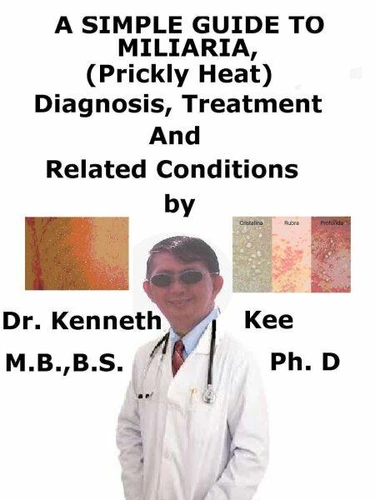
A Simple Guide To Miliaria, (Prickly Heat) Diagnosis, Treatment And Related Conditions
Par :Formats :
Disponible dans votre compte client Decitre ou Furet du Nord dès validation de votre commande. Le format ePub est :
- Compatible avec une lecture sur My Vivlio (smartphone, tablette, ordinateur)
- Compatible avec une lecture sur liseuses Vivlio
- Pour les liseuses autres que Vivlio, vous devez utiliser le logiciel Adobe Digital Edition. Non compatible avec la lecture sur les liseuses Kindle, Remarkable et Sony
 , qui est-ce ?
Notre partenaire de plateforme de lecture numérique où vous retrouverez l'ensemble de vos ebooks gratuitement
Pour en savoir plus sur nos ebooks, consultez notre aide en ligne ici
C'est si simple ! Lisez votre ebook avec l'app Vivlio sur votre tablette, mobile ou ordinateur :

- FormatePub
- ISBN978-1-005-22402-8
- EAN9781005224028
- Date de parution24/01/2021
- Protection num.pas de protection
- Infos supplémentairesepub
- ÉditeurC. C. Chamberlane
Résumé
This book describes Miliaria (Prickly Heat), Diagnosis and Treatment and Related DiseasesIn the Singapore Army, the standard issue is a Prickly Heat Talcum powder bottle to be kept in the backpack to be applied to prevent miliaria occurrences. It is also used as cold dry bath when the soldier is outfield and has no water for bathing. It helps to prevent heat exhaustion. In fact in a tropical climate such as Singapore with its heat and humidity, we are always trying to find way to cool ourselves down with air-conditioners, fans and lots of iced water.
Many of us including myself make use of the Prickly Heat talcum powder to keep dry and cool. Miliaria (also known as Prickly Heat) is a frequent non contagious disease which becomes visible as acute itchy red rash on the body due to retained sweat. People of all ages are involved but it is more frequent in children and infants due to their underdeveloped sweat glands. It is more frequent in hot and humid conditions.
Miliaria is a frequent skin disorder produced by the obstruction and inflammation of the eccrine sweat ducts. Miliaria is often present:1. In hot, humid, or tropical climates, 2. In patients in hospital, and3. In the neonatal period. Miliaria is also called sweat rash or prickly heat. The heat rash happens to adults and children when sweat is trapped under the skin. Prickly heat is occasionally called sweat rash or by its diagnostic name, miliaria rubra.
Children tend to get it more than adults because their sweat glands are still developing. Miliaria can be uncomfortable and itchy. Types of Miliaria1. Miliaria crystallinaThese are minute superficial vesicular lesions that normally do not produce any symptoms. Miliaria crystallina (sudamina) is produced by blockage of the sweat ducts close to the surface of the skin in the stratum corneum of the epidermis.
Miliaria crystallina involves up to 9% of neonates, with the mean age of 1 week. It can also happen in adults with fever.2. Miliaria rubraThese are deeper layer inflammatory lesions producing the specific appearance of redness (hence rubra) and larger blister-like lesions. There is extreme itching with inadequate sweating to involved areas. Miliaria rubra accompanies the obstruction of the sweat ducts deeper in the mid-epidermis.
Miliaria rubra is the most frequent type of miliaria. It is observed in children and in up to 30% of adults who reside in a tropical environment or are unexpectedly exposed to heat and humidity. While miliaria may form within days of arrival in the tropics, it often takes several months to peak.3. Miliaria profundaThis is the most serious type of miliaria due to its rapid spread and severe burning sensations.
Miliaria profunda (tropical anhidrosis) is the effect of sweat leaking into the middle layer of skin (blockage at or below the dermoepidermal junction) after repeated incidents of miliaria rubra. The obstruction is fairly deep in the structure of the sweat gland causing the sweat to leak between the superficial and deep layers of the skin. The rash happens within hours of an activity stimulating sweating and disappears within hours when the stimulus for the sweating is eliminated.
The danger of heat exhaustion is greater. Miliaria profunda is rare and manifests in adult males. Miliaria can involve all age groups and racial groups. The cause is the effect of the keratin or dead skin cells or bacteria such as Staphylococcus epidermidis of the skin obstructing the sweat ducts. The occluded sweat ducts bursts when sweating happen and the sweat develop as an intra-epidermal vesicle which causes irritation (prickly sensation) and itchiness....
Many of us including myself make use of the Prickly Heat talcum powder to keep dry and cool. Miliaria (also known as Prickly Heat) is a frequent non contagious disease which becomes visible as acute itchy red rash on the body due to retained sweat. People of all ages are involved but it is more frequent in children and infants due to their underdeveloped sweat glands. It is more frequent in hot and humid conditions.
Miliaria is a frequent skin disorder produced by the obstruction and inflammation of the eccrine sweat ducts. Miliaria is often present:1. In hot, humid, or tropical climates, 2. In patients in hospital, and3. In the neonatal period. Miliaria is also called sweat rash or prickly heat. The heat rash happens to adults and children when sweat is trapped under the skin. Prickly heat is occasionally called sweat rash or by its diagnostic name, miliaria rubra.
Children tend to get it more than adults because their sweat glands are still developing. Miliaria can be uncomfortable and itchy. Types of Miliaria1. Miliaria crystallinaThese are minute superficial vesicular lesions that normally do not produce any symptoms. Miliaria crystallina (sudamina) is produced by blockage of the sweat ducts close to the surface of the skin in the stratum corneum of the epidermis.
Miliaria crystallina involves up to 9% of neonates, with the mean age of 1 week. It can also happen in adults with fever.2. Miliaria rubraThese are deeper layer inflammatory lesions producing the specific appearance of redness (hence rubra) and larger blister-like lesions. There is extreme itching with inadequate sweating to involved areas. Miliaria rubra accompanies the obstruction of the sweat ducts deeper in the mid-epidermis.
Miliaria rubra is the most frequent type of miliaria. It is observed in children and in up to 30% of adults who reside in a tropical environment or are unexpectedly exposed to heat and humidity. While miliaria may form within days of arrival in the tropics, it often takes several months to peak.3. Miliaria profundaThis is the most serious type of miliaria due to its rapid spread and severe burning sensations.
Miliaria profunda (tropical anhidrosis) is the effect of sweat leaking into the middle layer of skin (blockage at or below the dermoepidermal junction) after repeated incidents of miliaria rubra. The obstruction is fairly deep in the structure of the sweat gland causing the sweat to leak between the superficial and deep layers of the skin. The rash happens within hours of an activity stimulating sweating and disappears within hours when the stimulus for the sweating is eliminated.
The danger of heat exhaustion is greater. Miliaria profunda is rare and manifests in adult males. Miliaria can involve all age groups and racial groups. The cause is the effect of the keratin or dead skin cells or bacteria such as Staphylococcus epidermidis of the skin obstructing the sweat ducts. The occluded sweat ducts bursts when sweating happen and the sweat develop as an intra-epidermal vesicle which causes irritation (prickly sensation) and itchiness....
A propos de Kenneth Kee


4,49 €