SOLDES
Jusqu'à -70% sur une sélection d'articles*

A Simple Guide to Mermaid Syndrome, Diagnosis, Treatment and Related Conditions
Par :Formats :
Disponible dans votre compte client Decitre ou Furet du Nord dès validation de votre commande. Le format ePub est :
- Compatible avec une lecture sur My Vivlio (smartphone, tablette, ordinateur)
- Compatible avec une lecture sur liseuses Vivlio
- Pour les liseuses autres que Vivlio, vous devez utiliser le logiciel Adobe Digital Edition. Non compatible avec la lecture sur les liseuses Kindle, Remarkable et Sony
 , qui est-ce ?
Notre partenaire de plateforme de lecture numérique où vous retrouverez l'ensemble de vos ebooks gratuitement
Pour en savoir plus sur nos ebooks, consultez notre aide en ligne ici
C'est si simple ! Lisez votre ebook avec l'app Vivlio sur votre tablette, mobile ou ordinateur :

- FormatePub
- ISBN978-1-005-48843-7
- EAN9781005488437
- Date de parution25/03/2022
- Protection num.pas de protection
- Infos supplémentairesepub
- ÉditeurC. C. Chamberlane
Résumé
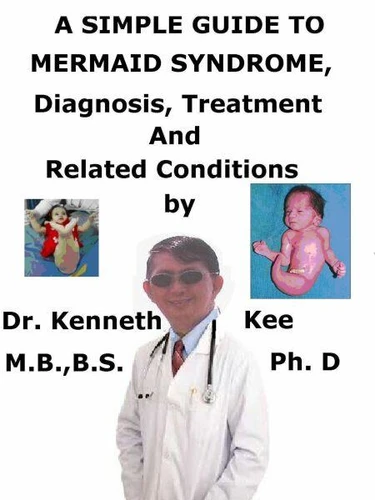
This book describes Mermaid Syndrome, Diagnosis and Treatment and Related DiseasesMermaid syndrome, or sirenomelia, is a genetic disorder that causes a baby to be born with fused limbs, which may resemble a mermaid's tail. The disorder is very rare, with only 300 reports of this disorder happening in the world and is often fatal. Mermaid syndrome is a serious disorder in which a baby's legs are completely or partially fused from birth.
It is often fatal early in life. Male babies have this disorder three times more often than females. Mermaid syndrome has been categorized into three types, depending on the number of bones in the lower part of the body:Sirenomelia apus- absent feet, one tibia, one femurSirenomelia unipus- one foot, two femurs, two tibia, two fibulaSirenomelia dipus- two feet and two legs with all the bones fused togetherSirenomelia is a severe type of caudal regression syndrome, a term for disorders that involve disorders forming the lower part of the spine.
Doctors do not know exactly the precise cause of mermaid syndrome and caudal regression syndrome, but they believe it is probably a combination of environmental and genetic factorsDoctors report many cases as sporadic, meaning they happen for no known reason. These causes often result in impaired blood flow in the embryo, particularly in the region where the lower limbs would normally grow. Some possible environmental causes of mermaid syndrome and other caudal regression syndrome types are:Alcohol useAmino acid imbalancesLack of oxygen in the uterusExposure to toxins, such as those in cigarettes, lithium, and cocaineExposure to retinoic acidDoctors also link differences in a specific gene called VANGL1 with a higher risk for mermaid syndrome.
They do not know exactly why a mutation in this gene produces caudal regression syndrome. Risk factorsPossible risk factors for mermaid syndrome are:The biological mother having diabetes, which is the case for 22% of fetuses with this disorder (it may be that good blood glucose control in the mother can reduce the risk)Exposure to teratogens, which are substances that elevate the chances of birth abnormalitiesThe mother being younger than 20 yearsGenetic factorsBeing male, as the disorder is 2.7 times more likely to affect males than femalesBeing an identical twin - of the 300 examples of mermaid syndrome that medical journals have reported, 15% are twins - mostly identicalA major risk factor identified is maternal diabetes.
An evaluated 22 % of fetuses with mermaid syndrome are born to women with maternal diabetes. The most discerning feature of mermaid syndrome is the baby's legs that are either partly or completely fused together. Babies born with mermaid syndrome also are likely to have other anomalies that affect their abilities to survive outside the womb:Absent tailboneAnal atresiaFoot anomalies that are the absence of feet or feet rotated outwardGastrointestinal abnormalitiesHeart malformationsPartly or completely missing sacrumSpina bifidaUnderdeveloped or absent kidneysUnderdeveloped lungsDoctors will normally be able to diagnose mermaid syndrome by ultrasound during pregnancy.
The doctor may recognize the abnormalities linked with mermaid syndrome, particularly the fused lower limbs. The treatment for a baby with mermaid syndrome normally requires consulting multiple specialists. Even with treatment, mermaid syndrome is normally fatal past the newborn period. TABLE OF CONTENTIntroductionChapter 1 Mermaid SyndromeChapter 2 CauseChapter 3 SymptomsChapter 4 DiagnosisChapter 5 TreatmentChapter 6 PrognosisChapter 7 Klippel-Feil Syn...
It is often fatal early in life. Male babies have this disorder three times more often than females. Mermaid syndrome has been categorized into three types, depending on the number of bones in the lower part of the body:Sirenomelia apus- absent feet, one tibia, one femurSirenomelia unipus- one foot, two femurs, two tibia, two fibulaSirenomelia dipus- two feet and two legs with all the bones fused togetherSirenomelia is a severe type of caudal regression syndrome, a term for disorders that involve disorders forming the lower part of the spine.
Doctors do not know exactly the precise cause of mermaid syndrome and caudal regression syndrome, but they believe it is probably a combination of environmental and genetic factorsDoctors report many cases as sporadic, meaning they happen for no known reason. These causes often result in impaired blood flow in the embryo, particularly in the region where the lower limbs would normally grow. Some possible environmental causes of mermaid syndrome and other caudal regression syndrome types are:Alcohol useAmino acid imbalancesLack of oxygen in the uterusExposure to toxins, such as those in cigarettes, lithium, and cocaineExposure to retinoic acidDoctors also link differences in a specific gene called VANGL1 with a higher risk for mermaid syndrome.
They do not know exactly why a mutation in this gene produces caudal regression syndrome. Risk factorsPossible risk factors for mermaid syndrome are:The biological mother having diabetes, which is the case for 22% of fetuses with this disorder (it may be that good blood glucose control in the mother can reduce the risk)Exposure to teratogens, which are substances that elevate the chances of birth abnormalitiesThe mother being younger than 20 yearsGenetic factorsBeing male, as the disorder is 2.7 times more likely to affect males than femalesBeing an identical twin - of the 300 examples of mermaid syndrome that medical journals have reported, 15% are twins - mostly identicalA major risk factor identified is maternal diabetes.
An evaluated 22 % of fetuses with mermaid syndrome are born to women with maternal diabetes. The most discerning feature of mermaid syndrome is the baby's legs that are either partly or completely fused together. Babies born with mermaid syndrome also are likely to have other anomalies that affect their abilities to survive outside the womb:Absent tailboneAnal atresiaFoot anomalies that are the absence of feet or feet rotated outwardGastrointestinal abnormalitiesHeart malformationsPartly or completely missing sacrumSpina bifidaUnderdeveloped or absent kidneysUnderdeveloped lungsDoctors will normally be able to diagnose mermaid syndrome by ultrasound during pregnancy.
The doctor may recognize the abnormalities linked with mermaid syndrome, particularly the fused lower limbs. The treatment for a baby with mermaid syndrome normally requires consulting multiple specialists. Even with treatment, mermaid syndrome is normally fatal past the newborn period. TABLE OF CONTENTIntroductionChapter 1 Mermaid SyndromeChapter 2 CauseChapter 3 SymptomsChapter 4 DiagnosisChapter 5 TreatmentChapter 6 PrognosisChapter 7 Klippel-Feil Syn...
A propos de Kenneth Kee


4,49 €