SOLDES
Jusqu'à -70% sur une sélection d'articles*

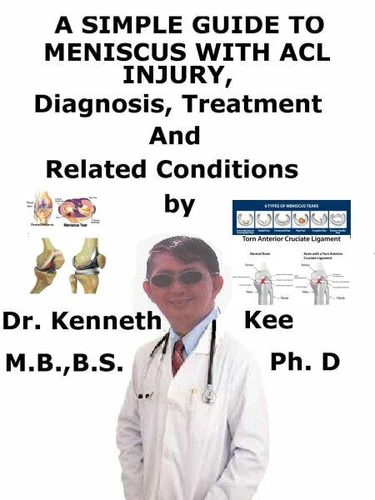
A Simple Guide to Meniscus with Acl Injury, Diagnosis, Treatment and Related Conditions
Par :Formats :
Disponible dans votre compte client Decitre ou Furet du Nord dès validation de votre commande. Le format ePub est :
- Compatible avec une lecture sur My Vivlio (smartphone, tablette, ordinateur)
- Compatible avec une lecture sur liseuses Vivlio
- Pour les liseuses autres que Vivlio, vous devez utiliser le logiciel Adobe Digital Edition. Non compatible avec la lecture sur les liseuses Kindle, Remarkable et Sony
 , qui est-ce ?
Notre partenaire de plateforme de lecture numérique où vous retrouverez l'ensemble de vos ebooks gratuitement
Pour en savoir plus sur nos ebooks, consultez notre aide en ligne ici
C'est si simple ! Lisez votre ebook avec l'app Vivlio sur votre tablette, mobile ou ordinateur :

- FormatePub
- ISBN978-1-005-34642-3
- EAN9781005346423
- Date de parution16/05/2022
- Protection num.pas de protection
- Infos supplémentairesepub
- ÉditeurC. C. Chamberlane
Résumé
This book describes Meniscus with ACL Injury, Diagnosis and Treatment and Related DiseasesRecently I had a 70 year old patient who complained of severe pain and swelling of her Right Knee joint. It was so painful that she could not put her weight on the right leg. There was a sensation of her knee giving way. A MRI showed the presence of a meniscus tear in her right knee and degeneration of the bone and cartilage.
There is also scarring of the anterior cruciate ligament (ACL) which complicates the healing of the joint. Also there is inflammation of the tendons attached to the knee joint. She was referred to an orthopedic surgeon for treatment. She was told to put on braces for her knee, rest, given arcoxia as part of conservative treatment. She was also told to avoid strenuous exercise or weight bearing exercise.
If she does not improve in 1 month, she may require knee surgery to remove the damaged meniscus and stem cells for ACL or knee replacement surgery due to the damage to ligaments and bone. Knee replacement surgery would be the best treatment in view of the degenerative joint and age. A meniscus injury is damage in one of the menisci within the knee. This can happen due to trauma or age-related degeneration of the knee joint.
The menisci provide a number of important functions, such as:1. Shock absorption2. Weight transmission during walking3. Stability through preventing the knee from bending and straightening at extreme angles4. Assists in lubricating the knee joint5. Can limit the ability to flex and extend the kneeMenisci are structures composed of fiber cartilage sited between the femur and the tibia. This cartilage is present in certain joints and functions as a buffer between the bones to protect the joint.
The medial meniscus tears are 5 times more frequent than injuries of the lateral meniscus. The medial meniscus shape looks like the letter "C, " while the lateral meniscus shape looks like the letter "O."The medial and lateral menisci bind to their matching collateral ligaments with the medial meniscus bound more rigidly than the lateral. The meniscus tear is not just a sports injury but can also happen in daily life or professional employment such as kneeling or squatting in construction workers and plumbers.
Torn meniscus particularly medial meniscus may be accompanied by ligament injuries such as anterior cruciate ligament injury. Conversely an anterior cruciate ligament injury (ACL) is often linked with meniscus injuries. Injuries such as tears or ruptures of the meniscus are often the result of a traumatic rotation or in a squat in high flexion. Meniscus injuries are most often caused by twisting or over-flexing the knee joint.
Sports people may squat and twist the knee, causing an injury. Direct contact, like a tackle, is occasionally involved. Older people are more susceptible to develop degenerative meniscus injuries. Aged worn tissue is more vulnerable to meniscus injuries. MRI of the knee mostly has replaced arthrography as the imaging method of choice for the menisciFor mild tears, the patient is able to treat the meniscus injury with rest and self-careConservative treatment:Rest, ice and elevation of the kneeCompression bandaging of the kneePain killers such as NSAIDs can relieve the painMuscle relaxant medicines to relax musclesCrutches can decrease the weight off the affected limbSurgery is normally indicated if the disorder does not improve with conservative treatment.
TABLE OF CONTENTIntroductionChapter 1 Meniscus with ACL InjuryChapter 2 CauseChapter 3 SymptomsChapter 4 DiagnosisChapter 5 TreatmentChapter 6 PrognosisChapter 7 ACL InjuryChapter 8 Knee Replacement SurgeryEpilogue
There is also scarring of the anterior cruciate ligament (ACL) which complicates the healing of the joint. Also there is inflammation of the tendons attached to the knee joint. She was referred to an orthopedic surgeon for treatment. She was told to put on braces for her knee, rest, given arcoxia as part of conservative treatment. She was also told to avoid strenuous exercise or weight bearing exercise.
If she does not improve in 1 month, she may require knee surgery to remove the damaged meniscus and stem cells for ACL or knee replacement surgery due to the damage to ligaments and bone. Knee replacement surgery would be the best treatment in view of the degenerative joint and age. A meniscus injury is damage in one of the menisci within the knee. This can happen due to trauma or age-related degeneration of the knee joint.
The menisci provide a number of important functions, such as:1. Shock absorption2. Weight transmission during walking3. Stability through preventing the knee from bending and straightening at extreme angles4. Assists in lubricating the knee joint5. Can limit the ability to flex and extend the kneeMenisci are structures composed of fiber cartilage sited between the femur and the tibia. This cartilage is present in certain joints and functions as a buffer between the bones to protect the joint.
The medial meniscus tears are 5 times more frequent than injuries of the lateral meniscus. The medial meniscus shape looks like the letter "C, " while the lateral meniscus shape looks like the letter "O."The medial and lateral menisci bind to their matching collateral ligaments with the medial meniscus bound more rigidly than the lateral. The meniscus tear is not just a sports injury but can also happen in daily life or professional employment such as kneeling or squatting in construction workers and plumbers.
Torn meniscus particularly medial meniscus may be accompanied by ligament injuries such as anterior cruciate ligament injury. Conversely an anterior cruciate ligament injury (ACL) is often linked with meniscus injuries. Injuries such as tears or ruptures of the meniscus are often the result of a traumatic rotation or in a squat in high flexion. Meniscus injuries are most often caused by twisting or over-flexing the knee joint.
Sports people may squat and twist the knee, causing an injury. Direct contact, like a tackle, is occasionally involved. Older people are more susceptible to develop degenerative meniscus injuries. Aged worn tissue is more vulnerable to meniscus injuries. MRI of the knee mostly has replaced arthrography as the imaging method of choice for the menisciFor mild tears, the patient is able to treat the meniscus injury with rest and self-careConservative treatment:Rest, ice and elevation of the kneeCompression bandaging of the kneePain killers such as NSAIDs can relieve the painMuscle relaxant medicines to relax musclesCrutches can decrease the weight off the affected limbSurgery is normally indicated if the disorder does not improve with conservative treatment.
TABLE OF CONTENTIntroductionChapter 1 Meniscus with ACL InjuryChapter 2 CauseChapter 3 SymptomsChapter 4 DiagnosisChapter 5 TreatmentChapter 6 PrognosisChapter 7 ACL InjuryChapter 8 Knee Replacement SurgeryEpilogue
A propos de Kenneth Kee

4,49 €