SOLDES
Jusqu'à -70% sur une sélection d'articles*

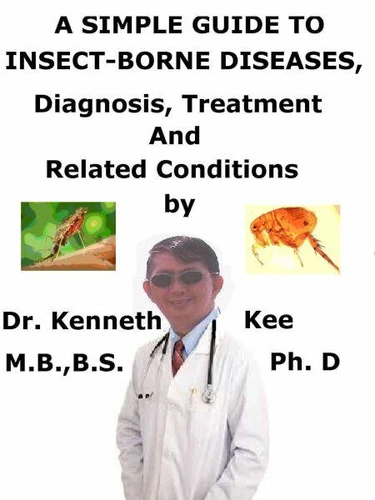
A Simple Guide to Insect-Borne Diseases, Diagnosis, Treatment and Related Conditions
Par :Formats :
Disponible dans votre compte client Decitre ou Furet du Nord dès validation de votre commande. Le format ePub est :
- Compatible avec une lecture sur My Vivlio (smartphone, tablette, ordinateur)
- Compatible avec une lecture sur liseuses Vivlio
- Pour les liseuses autres que Vivlio, vous devez utiliser le logiciel Adobe Digital Edition. Non compatible avec la lecture sur les liseuses Kindle, Remarkable et Sony
 , qui est-ce ?
Notre partenaire de plateforme de lecture numérique où vous retrouverez l'ensemble de vos ebooks gratuitement
Pour en savoir plus sur nos ebooks, consultez notre aide en ligne ici
C'est si simple ! Lisez votre ebook avec l'app Vivlio sur votre tablette, mobile ou ordinateur :

- FormatePub
- ISBN978-1-005-05013-9
- EAN9781005050139
- Date de parution24/05/2022
- Protection num.pas de protection
- Infos supplémentairesepub
- ÉditeurC. C. Chamberlane
Résumé
Different insects can produce severe diseases that can cause death such as dengue hemorrhagic fever, malaria especially in children, fetal deaths in zika infected pregnant women, and the Black Death (plague) in the middle ages. Insect-borne diseases are viral and bacterial diseases from insect bites. The most frequent insects that transmit disease are mosquitoes, sand flies, ticks, and fleas. Mosquitoes are famous for spreading the Dengue virus, Zika virus, Chikungunya virus, Yellow Fever, and Malaria.
Aedes1. Chikungunya2. Dengue3. Lymphatic filariasis4. Rift Valley fever5. Yellow Fever6. ZikaAnopheles1. Lymphatic filariasis2. MalariaCulex1. Japanese encephalitis2. Lymphatic filariasis3. West Nile feverTicks are famous for spreading Lyme disease and Rocky Mountain spotted fever.1. Lyme disease2. Rocky Mountain spotted fever3. Crimean-Congo haemorrhagic fever4. Relapsing fever (borreliosis)Fleas are famous for spreading the Bubonic Plaque (Black Death) to humans in the middle ages1.
Plague (transmitted from rats to humans)Lice are common in unhygienic people who do not shower and wear dirty unhealthy clothing.1. TyphusSandflies tend to bite people at beaches.1. LeishmaniasisTsetse fly can transmit trypanosomes to humans through its bite causing Sleeping Sickness1. Sleeping sicknessChagas disease, a leading cause of cardiomyopathy in the world is spread by kissing bugs.1. Chagas diseaseThe diseases are produced by blood-sucking insects that infect humans when they bite the person.
The patient increases the danger of being infected by an insect when the patient is in areas where they gather. This environment would involve tall grass, bushes, spots near still water (ponds), beaches and places around the globe with heavy outbreaks. Symptoms will differ depending upon the type of insect that bit the person:1. Fever2. Chills3. Headache5. Sore muscles6. Skin rash7. Nausea8. Abdominal painMore serious symptoms can be:1.
Difficulty breathing2. The feeling that the throat is closing3. Swelling of the lips, tongue or the face4. Chest pain5. A racing heartbeat that lasts more than a few minutes6. Dizziness7. VomitingThe doctor can normally diagnose an insect-borne disease with a physical examination, a review of the symptoms, and the history of the recent travel. Laboratory tests (blood and urine) can assist in diagnosing certain insect-borne diseases.
As soon as the patient recognizes a bite, he or she should clean it with soap and water. The patient should pat it dry and apply rubbing alcohol. If the patient was bitten by a tick, he or she should remove the tick away before cleaning the area. The patient should use tweezers to slowly pull it off the skin. The patient should be careful not to leave any part of the tick on the skin. The patient should wash the hands and the bite area with soap and water and wipe with alcohol.
The patient should apply an over-the-counter antibiotic cream to the bite area. If the patient has any of the symptoms above, he or she should see the doctor. The doctor may give the patient a prescription for antibiotic medicine. The over-the-counter pain medicine can alleviate sore muscles and a fever. Death in insect-borne diseases happens in dengue fever, malaria, zika (fetus) and plague. TABLE OF CONTENTIntroductionChapter 1 Insect-borne DiseasesChapter 2 Malaria (Updated)Chapter 3 Dengue Fever (Updated)Chapter 4 Yellow Fever (Updated)Chapter 5 Lyme Disease (Updated)Chapter 6 Sleeping Sickness (Updated)Chapter 7 Filiarisi...
Aedes1. Chikungunya2. Dengue3. Lymphatic filariasis4. Rift Valley fever5. Yellow Fever6. ZikaAnopheles1. Lymphatic filariasis2. MalariaCulex1. Japanese encephalitis2. Lymphatic filariasis3. West Nile feverTicks are famous for spreading Lyme disease and Rocky Mountain spotted fever.1. Lyme disease2. Rocky Mountain spotted fever3. Crimean-Congo haemorrhagic fever4. Relapsing fever (borreliosis)Fleas are famous for spreading the Bubonic Plaque (Black Death) to humans in the middle ages1.
Plague (transmitted from rats to humans)Lice are common in unhygienic people who do not shower and wear dirty unhealthy clothing.1. TyphusSandflies tend to bite people at beaches.1. LeishmaniasisTsetse fly can transmit trypanosomes to humans through its bite causing Sleeping Sickness1. Sleeping sicknessChagas disease, a leading cause of cardiomyopathy in the world is spread by kissing bugs.1. Chagas diseaseThe diseases are produced by blood-sucking insects that infect humans when they bite the person.
The patient increases the danger of being infected by an insect when the patient is in areas where they gather. This environment would involve tall grass, bushes, spots near still water (ponds), beaches and places around the globe with heavy outbreaks. Symptoms will differ depending upon the type of insect that bit the person:1. Fever2. Chills3. Headache5. Sore muscles6. Skin rash7. Nausea8. Abdominal painMore serious symptoms can be:1.
Difficulty breathing2. The feeling that the throat is closing3. Swelling of the lips, tongue or the face4. Chest pain5. A racing heartbeat that lasts more than a few minutes6. Dizziness7. VomitingThe doctor can normally diagnose an insect-borne disease with a physical examination, a review of the symptoms, and the history of the recent travel. Laboratory tests (blood and urine) can assist in diagnosing certain insect-borne diseases.
As soon as the patient recognizes a bite, he or she should clean it with soap and water. The patient should pat it dry and apply rubbing alcohol. If the patient was bitten by a tick, he or she should remove the tick away before cleaning the area. The patient should use tweezers to slowly pull it off the skin. The patient should be careful not to leave any part of the tick on the skin. The patient should wash the hands and the bite area with soap and water and wipe with alcohol.
The patient should apply an over-the-counter antibiotic cream to the bite area. If the patient has any of the symptoms above, he or she should see the doctor. The doctor may give the patient a prescription for antibiotic medicine. The over-the-counter pain medicine can alleviate sore muscles and a fever. Death in insect-borne diseases happens in dengue fever, malaria, zika (fetus) and plague. TABLE OF CONTENTIntroductionChapter 1 Insect-borne DiseasesChapter 2 Malaria (Updated)Chapter 3 Dengue Fever (Updated)Chapter 4 Yellow Fever (Updated)Chapter 5 Lyme Disease (Updated)Chapter 6 Sleeping Sickness (Updated)Chapter 7 Filiarisi...
A propos de Kenneth Kee



4,49 €