SOLDES
Jusqu'à -70% sur une sélection d'articles*

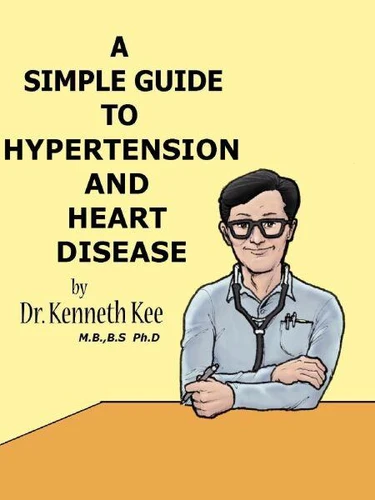
A Simple Guide to Hypertension and Heart Diseases. A Simple Guide to Medical Conditions, #5
Par :Formats :
Disponible dans votre compte client Decitre ou Furet du Nord dès validation de votre commande. Le format ePub est :
- Compatible avec une lecture sur My Vivlio (smartphone, tablette, ordinateur)
- Compatible avec une lecture sur liseuses Vivlio
- Pour les liseuses autres que Vivlio, vous devez utiliser le logiciel Adobe Digital Edition. Non compatible avec la lecture sur les liseuses Kindle, Remarkable et Sony
 , qui est-ce ?
Notre partenaire de plateforme de lecture numérique où vous retrouverez l'ensemble de vos ebooks gratuitement
Pour en savoir plus sur nos ebooks, consultez notre aide en ligne ici
C'est si simple ! Lisez votre ebook avec l'app Vivlio sur votre tablette, mobile ou ordinateur :

- FormatePub
- ISBN978-1-301-94437-8
- EAN9781301944378
- Date de parution11/11/2012
- Protection num.pas de protection
- Infos supplémentairesepub
- ÉditeurBluewater
Résumé
Hypertension, or high blood pressure, refers to a condition in which the blood is pumpedaround the body above normal pressure. It is a silent disorder and the only way to detect it is to have your blood pressure checked. When is it High Blood Pressure?Blood pressure is not fixed. It varies with time of day or night, physical activity and emotional factors. Therefore, blood pressure has to be taken under resting condition and on more than oneoccasion.
A blood pressure reading of 120/80 is read as 120 over 80 millimetres of mercury. The top number is your systolic pressure. This is the pressure in your arteries when your heart pumps. The bottom number is your diastolic blood pressure. This is the pressure measured in your arteries when your heart relaxes between pumps. Blood pressure may vary from 100/60 in a young healthy woman to 130/80. Normal blood pressure is below 130/80; blood pressure between 130/80 and 139/89 is called "pre-hypertension", and a blood pressure of 140/90 or above is considered high.
Hypertension is present when your blood pressure is persistently at or above 140/90. People with diabetes or kidney disease must strive to maintain their blood pressure ataround 130/80 because they are at higher risk of complications of hypertension. What are the Causes of Hypertension?In 95% of cases, there is no definite known cause and it is known as essential hypertension. Older people and men are more likely to develop high blood pressure.
It also tends to run in families. Although, you may inherit the tendency to get high blood pressure, other lifestyle choices(eating an unhealthy diet, smoking, not exercising) will often determine if you eventuallyget the disease. The other 5% of high blood pressure cases are due to kidney disease, glandular(hormone/endocrine) problems or a side effect of some medications and are calledsecondary hypertension.
Listed below are some causes of secondary hypertension.1. Adrenal gland tumors2. Cushing's syndrome3. Kidney disorders4. Kidney failure5. Use of medications, drugs, or other chemicals6. Pregnancy or the use of oral contraceptives7. Diabetes mellitus8. ObesityTABLE OF CONTENTChapter 1 HypertensionChapter 2 Coronary Heart DiseaseChapter 3 Atrial FibrillationChapter 4 Heart FailureChapter 5 Congenital Heart DiseaseChapter 6 Cardiogenic ShockChapter 7 PericarditisChapter 8 TachycardiaChapter 9 Bradycardia
A blood pressure reading of 120/80 is read as 120 over 80 millimetres of mercury. The top number is your systolic pressure. This is the pressure in your arteries when your heart pumps. The bottom number is your diastolic blood pressure. This is the pressure measured in your arteries when your heart relaxes between pumps. Blood pressure may vary from 100/60 in a young healthy woman to 130/80. Normal blood pressure is below 130/80; blood pressure between 130/80 and 139/89 is called "pre-hypertension", and a blood pressure of 140/90 or above is considered high.
Hypertension is present when your blood pressure is persistently at or above 140/90. People with diabetes or kidney disease must strive to maintain their blood pressure ataround 130/80 because they are at higher risk of complications of hypertension. What are the Causes of Hypertension?In 95% of cases, there is no definite known cause and it is known as essential hypertension. Older people and men are more likely to develop high blood pressure.
It also tends to run in families. Although, you may inherit the tendency to get high blood pressure, other lifestyle choices(eating an unhealthy diet, smoking, not exercising) will often determine if you eventuallyget the disease. The other 5% of high blood pressure cases are due to kidney disease, glandular(hormone/endocrine) problems or a side effect of some medications and are calledsecondary hypertension.
Listed below are some causes of secondary hypertension.1. Adrenal gland tumors2. Cushing's syndrome3. Kidney disorders4. Kidney failure5. Use of medications, drugs, or other chemicals6. Pregnancy or the use of oral contraceptives7. Diabetes mellitus8. ObesityTABLE OF CONTENTChapter 1 HypertensionChapter 2 Coronary Heart DiseaseChapter 3 Atrial FibrillationChapter 4 Heart FailureChapter 5 Congenital Heart DiseaseChapter 6 Cardiogenic ShockChapter 7 PericarditisChapter 8 TachycardiaChapter 9 Bradycardia
A propos de Kenneth Kee



4,49 €