SOLDES
Jusqu'à -70% sur une sélection d'articles*

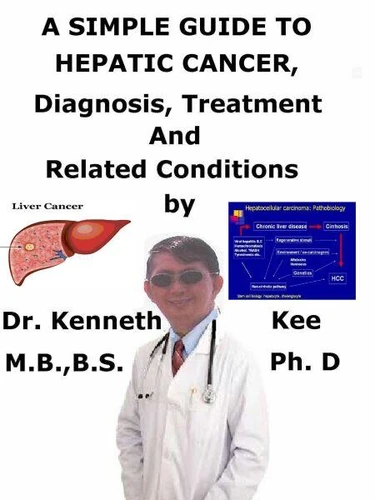
A Simple Guide to Hepatic Cancer, Diagnosis, Treatment and Related Conditions
Par :Formats :
Disponible dans votre compte client Decitre ou Furet du Nord dès validation de votre commande. Le format ePub est :
- Compatible avec une lecture sur My Vivlio (smartphone, tablette, ordinateur)
- Compatible avec une lecture sur liseuses Vivlio
- Pour les liseuses autres que Vivlio, vous devez utiliser le logiciel Adobe Digital Edition. Non compatible avec la lecture sur les liseuses Kindle, Remarkable et Sony
 , qui est-ce ?
Notre partenaire de plateforme de lecture numérique où vous retrouverez l'ensemble de vos ebooks gratuitement
Pour en savoir plus sur nos ebooks, consultez notre aide en ligne ici
C'est si simple ! Lisez votre ebook avec l'app Vivlio sur votre tablette, mobile ou ordinateur :

- FormatePub
- ISBN8215888261
- EAN9798215888261
- Date de parution28/03/2023
- Protection num.pas de protection
- Infos supplémentairesepub
- ÉditeurWMG Publishing
Résumé
This book describes Hepatic Cancer, Diagnosis and Treatment and Related DiseasesCancer you are a deadly diseaseOn our tissues you choose to feastBy staying in our bodies deepAnd invading our organs you cowardly creepYou have taken mothers, daughters, brothersFathers, friends and life long loversWe will fight back to give remedyTo bring back the immune harmonyHope and Faith we must restoreFor all victims who suffer the cancer foeHelp the body and soul join togetherTo seek peace and fight foreverThe legions of the cancer cells with smirks on their facesWe must fight and strengthen each time you attack our basesTo ensure that your cancer existence will soon expireAnd ensure our scarred body a good fight to inspireAs we continue this quest we have startedAnd remember those of us who have departedSo smirk and smile you killer of manEnjoy your glory while you canWe will remove the smirk from your faceWhen you realize this is your final and only raceWe have cornered you, your race is runAll our cells unite to finish what we have begunWe will fight to the death this awful scourge of manAnd clobber this cowardly cancer in the endWe shall clobber this mutant beastNo more our flesh for you to feastThese were days filled with angerSad days to be in so much dangerAs the days and months went onOur cells started getting strongAnd as we learned to copeWe discovered the meaning of hope.
And we have our friends and family to thankYou are all our angels so much our friendAn original poem by Kenneth KeeCancer is the top killer in Singapore and many countries. It is therefore feared by many patients who equate cancer with death. Now however with modern treatments and new advances, cancer can be prevented and successfully treated. Primary liver cancer is a rare but serious type of cancer that starts in the liver and mostly affects older people.
Hepatic cancer happens when the cells in the liver undergo abnormal changes to form cancer cells. In most cases, the cause of primary hepatic cancer is scarring of the liver (cirrhosis). Cirrhosis (liver damage that can make scar tissue replace healthy tissue) may be caused by:Alcohol abuseNonalcoholic fatty liver disease - a buildup of fat in the liver in obese peopleAutoimmune diseases of the liverLong-term hepatitis B or C - viruses that attack and damage the liverInflammation of the liver from exposure to toxins (alfatoxins, solvents, vinyl chloride, heroin)Iron overload in the body (hemochromatosis)Inherited liver diseasesSymptoms:Unexplained weight lossNausea or vomitingFeeling of fullness easily or not wanting to eatTiredness and weaknessFeeling of pain on the upper right abdomen or near the right shoulderSwelling in the abdomenIn patients with raised AFP and consistent imaging features, patients can be diagnosed and treated presumptively for hepatic cancer without a biopsyLiver transplant is the best treatment for patients with hepatic cancer.
The supply of good-quality deceased-donor organs is limited. A small part of the liver of a living relative may be used. Other treatments, such as resection, radiofrequency ablation (RFA); and possibly systemic therapy should be given to bridge patients to transplant or to delay recurrence if possible. The most frequent therapy is called transcatheter arterial chemoembolization (TACE). Targeted therapy such as kinase inhibitors is used in advanced unresectable liver cancer.
TABLE OF CONTENTIntroductionChapter 1 Hepatic CancerChapter 2 CausesChapter 3 SymptomsChapter 4 DiagnosisChapte...
And we have our friends and family to thankYou are all our angels so much our friendAn original poem by Kenneth KeeCancer is the top killer in Singapore and many countries. It is therefore feared by many patients who equate cancer with death. Now however with modern treatments and new advances, cancer can be prevented and successfully treated. Primary liver cancer is a rare but serious type of cancer that starts in the liver and mostly affects older people.
Hepatic cancer happens when the cells in the liver undergo abnormal changes to form cancer cells. In most cases, the cause of primary hepatic cancer is scarring of the liver (cirrhosis). Cirrhosis (liver damage that can make scar tissue replace healthy tissue) may be caused by:Alcohol abuseNonalcoholic fatty liver disease - a buildup of fat in the liver in obese peopleAutoimmune diseases of the liverLong-term hepatitis B or C - viruses that attack and damage the liverInflammation of the liver from exposure to toxins (alfatoxins, solvents, vinyl chloride, heroin)Iron overload in the body (hemochromatosis)Inherited liver diseasesSymptoms:Unexplained weight lossNausea or vomitingFeeling of fullness easily or not wanting to eatTiredness and weaknessFeeling of pain on the upper right abdomen or near the right shoulderSwelling in the abdomenIn patients with raised AFP and consistent imaging features, patients can be diagnosed and treated presumptively for hepatic cancer without a biopsyLiver transplant is the best treatment for patients with hepatic cancer.
The supply of good-quality deceased-donor organs is limited. A small part of the liver of a living relative may be used. Other treatments, such as resection, radiofrequency ablation (RFA); and possibly systemic therapy should be given to bridge patients to transplant or to delay recurrence if possible. The most frequent therapy is called transcatheter arterial chemoembolization (TACE). Targeted therapy such as kinase inhibitors is used in advanced unresectable liver cancer.
TABLE OF CONTENTIntroductionChapter 1 Hepatic CancerChapter 2 CausesChapter 3 SymptomsChapter 4 DiagnosisChapte...
A propos de Kenneth Kee
4,49 €