SOLDES
Jusqu'à -70% sur une sélection d'articles*

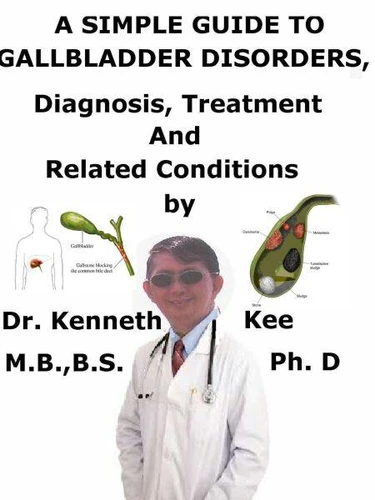
A Simple Guide to Gallbladder Disorders, Diagnosis, Treatment and Related Conditions
Par :Formats :
Disponible dans votre compte client Decitre ou Furet du Nord dès validation de votre commande. Le format ePub est :
- Compatible avec une lecture sur My Vivlio (smartphone, tablette, ordinateur)
- Compatible avec une lecture sur liseuses Vivlio
- Pour les liseuses autres que Vivlio, vous devez utiliser le logiciel Adobe Digital Edition. Non compatible avec la lecture sur les liseuses Kindle, Remarkable et Sony
 , qui est-ce ?
Notre partenaire de plateforme de lecture numérique où vous retrouverez l'ensemble de vos ebooks gratuitement
Pour en savoir plus sur nos ebooks, consultez notre aide en ligne ici
C'est si simple ! Lisez votre ebook avec l'app Vivlio sur votre tablette, mobile ou ordinateur :

- FormatePub
- ISBN978-1-005-60747-0
- EAN9781005607470
- Date de parution29/06/2021
- Protection num.pas de protection
- Infos supplémentairesepub
- ÉditeurC. C. Chamberlane
Résumé
This book describes Gallbladder Disorders, Diagnosis and Treatment and Related DisordersThey had me on the operating table all day. They looked into my stomach, my gall bladder, they examined everything inside of me. Know what they decided? No stones but I need glasses. Joe E. LewisGall indicate something bitter to endure such as bile or something disagreeable. Asterix the Gall in the comic represents someone irritating to his enemies.
The gall bladder is a small sac on the underside of the liver that is used to store bile. Bile is produced in the liver and kept in the gall bladder until it is needed to help the digestion of fat. The most frequent reason for gallbladder disorder is gallstones. Risk factors for Gallbladder Disorders1. Forty: Over age 40 and increase in risk as one starts to age2. Fat: Overweight3. Female particularly those who have had children4.
Flatulent: gas in abdomen5. Alcohol intake5. Low stomach acid6. Chronic Heartburn7. Frequent use of Antacids8. Rapid weight loss9. High triglycerides, high LDL cholesterol, decreased HDL cholesterol, 10. Cholesterol-lowering drugs, immunosuppressive drugs11. Antidepressants which slow down gallbladder contractions12. Estrogen intake and birth control pills13. Disorders such as chronic inflammatory bowel disorder, Crohn's disorder, Hemolytic anemias14.
Hypothyroidism15. Diet high in saturated fats16. Family history of gallbladder disorderThe most frequent symptoms are1. Indigestion, 2. Gas, bloating, 3. Burping, belching4. Constipation5. Weight gainIt may progress to6. Constant tenderness or discomfort under the rib cage on the right side.7. Pain is worse after taking oily foodDiagnosisTo diagnose gallbladder disorder, the doctor will ask the patient about the medical history and perform an abdominal exam.
The doctor may conduct a special maneuver during the abdominal examination to find what is termed as "Murphy's sign."If the patient feels significant pain taking a breath when the doctor palpates the area of the gallbladder, it suggests the patient may have gallbladder disorder. An ultrasound can evaluate the gallbladder for the presence of gallstones, thickened walls, polyps, or masses. A HIDA scan with the use of a harmless radioactive substance examines the duct system within the gallbladder and liver.
Endoscopic retrograde cholangiopancreatography (ERCP) is a very invasive but rather useful test because it can remove any blockage during this procedureThe treatment is dependent on the specific gallbladder disorder and may be:1. Lifestyle Changes2. Over-the-counter (OTC) pain medicines, such as ibuprofen3. Prescription pain medicines, such as hydrocodone and morphine4. Lithotripsy, a procedure that uses shock waves to break apart gallstonesGallbladder surgery continues to be the most effective method for treating active gallbladder disorder.
The surgery can be done either by opening the abdomen with an incision or laparoscopically. Inflammation causes the majority of gallbladder disorders due to irritation of the gallbladder walls, known as cholecystitis. This inflammation is often caused by gallstones blocking the ducts that lead to the small intestine and inducing bile to build up producing cholangitis in the bile duct. It may ultimately lead to empyema (pus formation) or necrosis (tissue destruction) or gangrene.
Gallbladder polyps and cancers are rare. TABLE OF CONTENTIntroductionChapter 1 Gallbladder DisordersChapter 2 GallstonesChapter 3 CholecystitisChapter 4 CholangitisChapter 5 Gallbladder PolypChapter 6 Biliary DyskinesiaChapter 7 Gallbladder Rupture...
The gall bladder is a small sac on the underside of the liver that is used to store bile. Bile is produced in the liver and kept in the gall bladder until it is needed to help the digestion of fat. The most frequent reason for gallbladder disorder is gallstones. Risk factors for Gallbladder Disorders1. Forty: Over age 40 and increase in risk as one starts to age2. Fat: Overweight3. Female particularly those who have had children4.
Flatulent: gas in abdomen5. Alcohol intake5. Low stomach acid6. Chronic Heartburn7. Frequent use of Antacids8. Rapid weight loss9. High triglycerides, high LDL cholesterol, decreased HDL cholesterol, 10. Cholesterol-lowering drugs, immunosuppressive drugs11. Antidepressants which slow down gallbladder contractions12. Estrogen intake and birth control pills13. Disorders such as chronic inflammatory bowel disorder, Crohn's disorder, Hemolytic anemias14.
Hypothyroidism15. Diet high in saturated fats16. Family history of gallbladder disorderThe most frequent symptoms are1. Indigestion, 2. Gas, bloating, 3. Burping, belching4. Constipation5. Weight gainIt may progress to6. Constant tenderness or discomfort under the rib cage on the right side.7. Pain is worse after taking oily foodDiagnosisTo diagnose gallbladder disorder, the doctor will ask the patient about the medical history and perform an abdominal exam.
The doctor may conduct a special maneuver during the abdominal examination to find what is termed as "Murphy's sign."If the patient feels significant pain taking a breath when the doctor palpates the area of the gallbladder, it suggests the patient may have gallbladder disorder. An ultrasound can evaluate the gallbladder for the presence of gallstones, thickened walls, polyps, or masses. A HIDA scan with the use of a harmless radioactive substance examines the duct system within the gallbladder and liver.
Endoscopic retrograde cholangiopancreatography (ERCP) is a very invasive but rather useful test because it can remove any blockage during this procedureThe treatment is dependent on the specific gallbladder disorder and may be:1. Lifestyle Changes2. Over-the-counter (OTC) pain medicines, such as ibuprofen3. Prescription pain medicines, such as hydrocodone and morphine4. Lithotripsy, a procedure that uses shock waves to break apart gallstonesGallbladder surgery continues to be the most effective method for treating active gallbladder disorder.
The surgery can be done either by opening the abdomen with an incision or laparoscopically. Inflammation causes the majority of gallbladder disorders due to irritation of the gallbladder walls, known as cholecystitis. This inflammation is often caused by gallstones blocking the ducts that lead to the small intestine and inducing bile to build up producing cholangitis in the bile duct. It may ultimately lead to empyema (pus formation) or necrosis (tissue destruction) or gangrene.
Gallbladder polyps and cancers are rare. TABLE OF CONTENTIntroductionChapter 1 Gallbladder DisordersChapter 2 GallstonesChapter 3 CholecystitisChapter 4 CholangitisChapter 5 Gallbladder PolypChapter 6 Biliary DyskinesiaChapter 7 Gallbladder Rupture...
A propos de Kenneth Kee

4,49 €