SOLDES
Jusqu'à -70% sur une sélection d'articles*

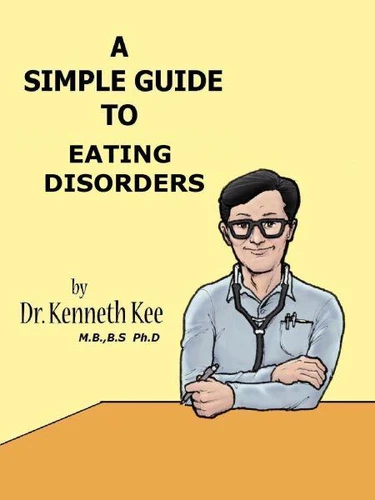
A Simple Guide to Eating Disorders. A Simple Guide to Medical Conditions, #17
Par :Formats :
Disponible dans votre compte client Decitre ou Furet du Nord dès validation de votre commande. Le format ePub est :
- Compatible avec une lecture sur My Vivlio (smartphone, tablette, ordinateur)
- Compatible avec une lecture sur liseuses Vivlio
- Pour les liseuses autres que Vivlio, vous devez utiliser le logiciel Adobe Digital Edition. Non compatible avec la lecture sur les liseuses Kindle, Remarkable et Sony
 , qui est-ce ?
Notre partenaire de plateforme de lecture numérique où vous retrouverez l'ensemble de vos ebooks gratuitement
Pour en savoir plus sur nos ebooks, consultez notre aide en ligne ici
C'est si simple ! Lisez votre ebook avec l'app Vivlio sur votre tablette, mobile ou ordinateur :

- FormatePub
- ISBN978-1-301-79948-0
- EAN9781301799480
- Date de parution13/11/2012
- Protection num.pas de protection
- Infos supplémentairesepub
- ÉditeurBluewater
Résumé
Eating disorders is defined as the persistent refusal to eat resulting in marked loss of weight. It is a psychological problem with patient becoming obsessed with his or her so called obesity with intent to lose weight as a result. This condition is more prevalent in women than in men. Onset usually occurs in puberty. What are the types of Eating disorders?Eating disorders include:1. Anorexia nervosa, 2.
Bulimia3. Binged eating with induced vomitingThe most common cause is ostensible fear of obesity resulting in excessive dieting. There is this distorted image of the body size related to psychosexual conflicts. Other causes are:1. Anxiety2. Depression3. Low self esteem4. troubled family and personal relationships5. History of physical or sexual abuse6. Cultural and social norms that value people on basis of physical appearance and not inner qualities and strength7.
Sometimes it may be hereditaryWhat are the symptoms of Eating disorders?Symptoms:1. Progressive and excessive weight loss2. Loss of muscle mass3. Loss of bone mass with osteopenia, osteoporosis4. Damage to esophagus, lining of stomach, gastritis, bloating5. Associated induced endocrine changes (amenorrhea, hirsutism)6. Stunted growth due to malnutrition7. Weakened immune system with icy hand and excess hairs (body too cold)8.
Anemia and Induced vitamin deficiency due to poor nutrition9. Fainting spells, sleep disruptions, mental confusion, seizures10. Low blood sugar with chills, giddiness, shaking and restlessness11. Disruption of body fluid mineral balance especially potassium can affect the heart with irregular heart beat and cardiac arrest12. Kidney and liver damage13. Constipation, urinary and anal incontinence14.
Mental development may be affectedWhat is the treatment of Eating disorders?1. Hospitalization is necessary when the condition becomes life threatening2. Weight restoration to improve mood and health3. Correction of nutrition and metabolic deficiency4. Psychotherapy and counseling of individual to develop healthy ways of controlling one's life5. Use of antidepressant and serotonin blockers6. Support groups to help family and nutritional counselingWhat is the prognosis of Eating disorders?Prognosis1.
Good in mild cases2. Poor in severe cases, may be fatalTABLE OF CONTENTChapter 1Eating DisordersChapter 2Anorexia NervosaChapter 3Bulimia NervosaChapter 4Binge Eating DisordersChapter 5Epilogue
Bulimia3. Binged eating with induced vomitingThe most common cause is ostensible fear of obesity resulting in excessive dieting. There is this distorted image of the body size related to psychosexual conflicts. Other causes are:1. Anxiety2. Depression3. Low self esteem4. troubled family and personal relationships5. History of physical or sexual abuse6. Cultural and social norms that value people on basis of physical appearance and not inner qualities and strength7.
Sometimes it may be hereditaryWhat are the symptoms of Eating disorders?Symptoms:1. Progressive and excessive weight loss2. Loss of muscle mass3. Loss of bone mass with osteopenia, osteoporosis4. Damage to esophagus, lining of stomach, gastritis, bloating5. Associated induced endocrine changes (amenorrhea, hirsutism)6. Stunted growth due to malnutrition7. Weakened immune system with icy hand and excess hairs (body too cold)8.
Anemia and Induced vitamin deficiency due to poor nutrition9. Fainting spells, sleep disruptions, mental confusion, seizures10. Low blood sugar with chills, giddiness, shaking and restlessness11. Disruption of body fluid mineral balance especially potassium can affect the heart with irregular heart beat and cardiac arrest12. Kidney and liver damage13. Constipation, urinary and anal incontinence14.
Mental development may be affectedWhat is the treatment of Eating disorders?1. Hospitalization is necessary when the condition becomes life threatening2. Weight restoration to improve mood and health3. Correction of nutrition and metabolic deficiency4. Psychotherapy and counseling of individual to develop healthy ways of controlling one's life5. Use of antidepressant and serotonin blockers6. Support groups to help family and nutritional counselingWhat is the prognosis of Eating disorders?Prognosis1.
Good in mild cases2. Poor in severe cases, may be fatalTABLE OF CONTENTChapter 1Eating DisordersChapter 2Anorexia NervosaChapter 3Bulimia NervosaChapter 4Binge Eating DisordersChapter 5Epilogue
A propos de Kenneth Kee
4,49 €