SOLDES
Jusqu'à -70% sur une sélection d'articles*

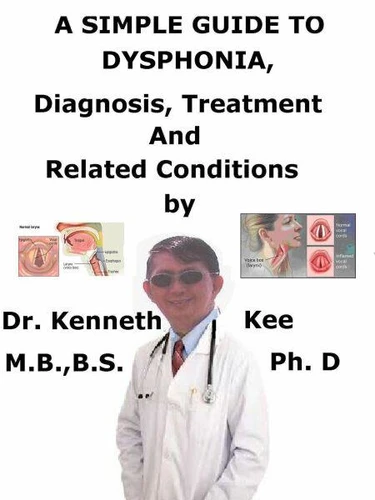
A Simple Guide to Dysphonia, Diagnosis, Treatment and Related Conditions
Par :Formats :
Disponible dans votre compte client Decitre ou Furet du Nord dès validation de votre commande. Le format ePub est :
- Compatible avec une lecture sur My Vivlio (smartphone, tablette, ordinateur)
- Compatible avec une lecture sur liseuses Vivlio
- Pour les liseuses autres que Vivlio, vous devez utiliser le logiciel Adobe Digital Edition. Non compatible avec la lecture sur les liseuses Kindle, Remarkable et Sony
 , qui est-ce ?
Notre partenaire de plateforme de lecture numérique où vous retrouverez l'ensemble de vos ebooks gratuitement
Pour en savoir plus sur nos ebooks, consultez notre aide en ligne ici
C'est si simple ! Lisez votre ebook avec l'app Vivlio sur votre tablette, mobile ou ordinateur :

- FormatePub
- ISBN978-1-005-71680-6
- EAN9781005716806
- Date de parution04/04/2022
- Protection num.pas de protection
- Infos supplémentairesepub
- ÉditeurC. C. Chamberlane
Résumé
This book describes Dysphonia, Diagnosis and Treatment and Related DiseasesDysphonia is a medical terminology indicating disorder of voice. It is the impairment in the ability to produce voice sounds using the vocal (phonation) system. It is also termed hoarseness of voice. It is different from dysarthria which indicates dysfunction in the muscles needed to produce speech. Dysphonia is a phonation disorder.
The dysphonic voice can be hoarse or extremely breathy, harsh, or rough, but some kind of phonation is still possible in contrast with the more serious aphonia where phonation is impossibleAlterations to the voice can happen suddenly or gradually over time. The voice can be reported as hoarse, rough, raspy, strained, weak, breathy, or gravely. There may be voice breaks where the voice totally stops or breaks down.
There may be pitch alterations, either higher or lower for the patient. The patient may have a total loss of voice for duration of time as well. Occasionally the patient will complain of pain with speaking or singing and difficulty projecting the voice. Most often, dysphonia is produced by an abnormality with the vocal cords (also termed vocal folds) but there can be other causes from disorders with airflow from the lungs or anomalies with the structures of the throat close to the vocal cords.
In both children and adults, chronic aphonia (inability to produce voiced sound) may form which necessitates medical attention in order to diagnose what is causing this. When dysphonia happens, rest is normally advised, but if the disorder lasts more than two weeks, a doctor should be seen to exclude the presence of any serious injury and to prevent dysphonia from developing into chronic aphonia, leading to a total loss of voice.
When dysphonia has developed, either from overusing the voice too much or infections and viruses, rest, anti-inflammatory medicines or depending on the case, speech therapy will be required. There are two forms of dysphonia based on duration of disease:1. Acute dysphonia - normally self-limited and resolves with rest and symptomatic treatment.2. Chronic dysphonia - more complex since it can have multiple causes: from tumor lesions to congenital anomalies.
Types of DysphoniaThere are two general classifications or types of dysphonia. OrganicFunctionalOrganic DysphoniaThe organic type involves situations where there is some sort of impediment to the function of the vocal cords, such as an infection or injury to the chords as the result of an accident. Organic voice disorders fall into two groups:1. Structural disorders involve something physically incorrect with the mechanism, often involving tissue or fluids of the vocal folds.2.
Neurogenic disorders are produced by a disorder in the nervous system. Organic dysphonia may happen due toLaryngitis (Acute: viral, bacterial) - (Chronic: smoking, GERD, LPR)Neoplasm (Premalignant: dysplasia) - (Malignant: Squamous cell carcinoma)Trauma (Iatrogenic: surgery, intubation) - (Accidental: blunt, penetrating, thermal)Endocrine (Hypothyroidism, hypogonadism)Hematological (Amyloidosis)Iatrogenic (inhaled corticosteroids)Functional DysphoniaFunctional dysphonia involves circumstances where there is a form of psychogenic component, or a misuse of the vocal cords.
It may bePsychogenicVocal misuseIdiopathicDiagnosis is based on the patient's presentation and the sound of the patient's voice. Speech therapy is the main treatment for dysphonia. TABLE OF CONTENTIntroductionChapter 1 DysphoniaChapter 2 CauseChapter 3 SymptomsChapter 4 DiagnosisChapter 5 TreatmentChapter 6 Prognos...
The dysphonic voice can be hoarse or extremely breathy, harsh, or rough, but some kind of phonation is still possible in contrast with the more serious aphonia where phonation is impossibleAlterations to the voice can happen suddenly or gradually over time. The voice can be reported as hoarse, rough, raspy, strained, weak, breathy, or gravely. There may be voice breaks where the voice totally stops or breaks down.
There may be pitch alterations, either higher or lower for the patient. The patient may have a total loss of voice for duration of time as well. Occasionally the patient will complain of pain with speaking or singing and difficulty projecting the voice. Most often, dysphonia is produced by an abnormality with the vocal cords (also termed vocal folds) but there can be other causes from disorders with airflow from the lungs or anomalies with the structures of the throat close to the vocal cords.
In both children and adults, chronic aphonia (inability to produce voiced sound) may form which necessitates medical attention in order to diagnose what is causing this. When dysphonia happens, rest is normally advised, but if the disorder lasts more than two weeks, a doctor should be seen to exclude the presence of any serious injury and to prevent dysphonia from developing into chronic aphonia, leading to a total loss of voice.
When dysphonia has developed, either from overusing the voice too much or infections and viruses, rest, anti-inflammatory medicines or depending on the case, speech therapy will be required. There are two forms of dysphonia based on duration of disease:1. Acute dysphonia - normally self-limited and resolves with rest and symptomatic treatment.2. Chronic dysphonia - more complex since it can have multiple causes: from tumor lesions to congenital anomalies.
Types of DysphoniaThere are two general classifications or types of dysphonia. OrganicFunctionalOrganic DysphoniaThe organic type involves situations where there is some sort of impediment to the function of the vocal cords, such as an infection or injury to the chords as the result of an accident. Organic voice disorders fall into two groups:1. Structural disorders involve something physically incorrect with the mechanism, often involving tissue or fluids of the vocal folds.2.
Neurogenic disorders are produced by a disorder in the nervous system. Organic dysphonia may happen due toLaryngitis (Acute: viral, bacterial) - (Chronic: smoking, GERD, LPR)Neoplasm (Premalignant: dysplasia) - (Malignant: Squamous cell carcinoma)Trauma (Iatrogenic: surgery, intubation) - (Accidental: blunt, penetrating, thermal)Endocrine (Hypothyroidism, hypogonadism)Hematological (Amyloidosis)Iatrogenic (inhaled corticosteroids)Functional DysphoniaFunctional dysphonia involves circumstances where there is a form of psychogenic component, or a misuse of the vocal cords.
It may bePsychogenicVocal misuseIdiopathicDiagnosis is based on the patient's presentation and the sound of the patient's voice. Speech therapy is the main treatment for dysphonia. TABLE OF CONTENTIntroductionChapter 1 DysphoniaChapter 2 CauseChapter 3 SymptomsChapter 4 DiagnosisChapter 5 TreatmentChapter 6 Prognos...
A propos de Kenneth Kee

4,49 €