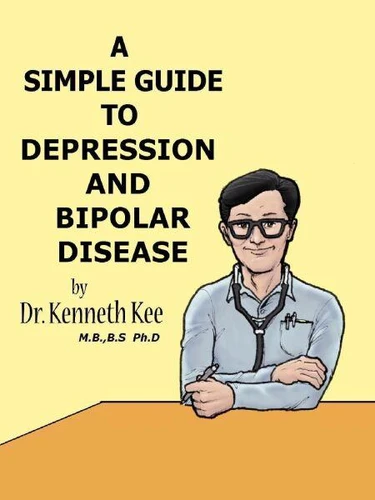



Dr. Kenneth Kee is a well-known medical doctor from Singapore who has been practicing medicine since 1972. He graduated from the University of Singapore and furthered his studies with a Master of Science in Health Management in 1991, followed by a Ph. D. in Healthcare Administration in 1993. Dr. Kee established Kee Clinic in 1974, located in the Holland Drive area of Singapore. The clinic has been a prominent feature of the community, offering general medical services for 5 decades.
Dr Kee also served his country Singapore as a national service police Inspector at night from 1975 to 1985 while working at his clinic during the day. He had served as a police guard to the Woodland Petroleum Tanks at night during the Indonesian Confrontation period, took part in police rounds at night in the Beach Road area and taught First aid and emergency resuscitation to Police recruits. He received the Singapore Police Bicentennial 2020 Medallion on 1st March 2024 as recognition for his work in the Singapore Police.
Even as he grew older, Dr. Kee continued to work actively in his clinic, although he eventually reduced his consultation hours. Beyond his medical career, Dr. Kee is also an author. He started writing about medical conditions in 2007, using blogs and other online platforms to share his knowledge with a broader audience. Over time, he published various books, many of which provide simple and accessible guides to different health conditions.
His works include "A Family Doctor's Tale, " "My Personal Singapore History, " and numerous medical guides, available through platforms like Amazon. His books often combine his personal experiences as a family doctor with insights into Singapore's healthcare system and history. Dr. Kee has written extensively on health topics, contributing to both medical literature and general knowledge resources.
Dr. Kenneth Kee has written numerous books, primarily focused on health education and personal experiences as a family doctor. Some of his notable titles include:"A Family Doctor's Tale"This book is a blend of Dr. Kee's personal experiences and his reflections on being a family doctor in Singapore. It's a great choice if you're looking for a narrative that combines both medical knowledge and human stories."Specialized Medical Conditions"Books like **"Congestive Heart Failure: Diagnosis and Treatment"** focus on specific conditions, offering in-dept...
Dr Kee also served his country Singapore as a national service police Inspector at night from 1975 to 1985 while working at his clinic during the day. He had served as a police guard to the Woodland Petroleum Tanks at night during the Indonesian Confrontation period, took part in police rounds at night in the Beach Road area and taught First aid and emergency resuscitation to Police recruits. He received the Singapore Police Bicentennial 2020 Medallion on 1st March 2024 as recognition for his work in the Singapore Police.
Even as he grew older, Dr. Kee continued to work actively in his clinic, although he eventually reduced his consultation hours. Beyond his medical career, Dr. Kee is also an author. He started writing about medical conditions in 2007, using blogs and other online platforms to share his knowledge with a broader audience. Over time, he published various books, many of which provide simple and accessible guides to different health conditions.
His works include "A Family Doctor's Tale, " "My Personal Singapore History, " and numerous medical guides, available through platforms like Amazon. His books often combine his personal experiences as a family doctor with insights into Singapore's healthcare system and history. Dr. Kee has written extensively on health topics, contributing to both medical literature and general knowledge resources.
Dr. Kenneth Kee has written numerous books, primarily focused on health education and personal experiences as a family doctor. Some of his notable titles include:"A Family Doctor's Tale"This book is a blend of Dr. Kee's personal experiences and his reflections on being a family doctor in Singapore. It's a great choice if you're looking for a narrative that combines both medical knowledge and human stories."Specialized Medical Conditions"Books like **"Congestive Heart Failure: Diagnosis and Treatment"** focus on specific conditions, offering in-dept...