SOLDES
Jusqu'à -70% sur une sélection d'articles*

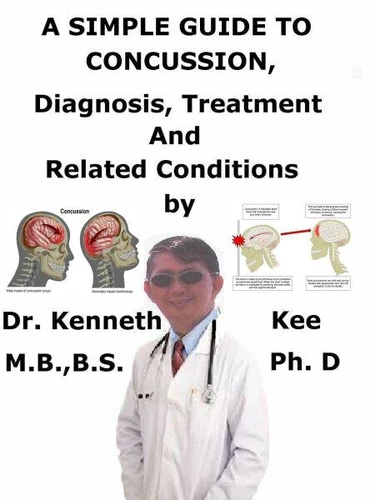
A Simple Guide to Concussion, Diagnosis, Treatment and Related Conditions
Par :Formats :
Disponible dans votre compte client Decitre ou Furet du Nord dès validation de votre commande. Le format ePub est :
- Compatible avec une lecture sur My Vivlio (smartphone, tablette, ordinateur)
- Compatible avec une lecture sur liseuses Vivlio
- Pour les liseuses autres que Vivlio, vous devez utiliser le logiciel Adobe Digital Edition. Non compatible avec la lecture sur les liseuses Kindle, Remarkable et Sony
 , qui est-ce ?
Notre partenaire de plateforme de lecture numérique où vous retrouverez l'ensemble de vos ebooks gratuitement
Pour en savoir plus sur nos ebooks, consultez notre aide en ligne ici
C'est si simple ! Lisez votre ebook avec l'app Vivlio sur votre tablette, mobile ou ordinateur :

- FormatePub
- ISBN8215378069
- EAN9798215378069
- Date de parution11/04/2023
- Protection num.pas de protection
- Infos supplémentairesepub
- ÉditeurWMG Publishing
Résumé
This book describes Concussion, Diagnosis and Treatment and Related DiseasesConcussion the movie is based on the true story of a forensic pathologist who made a controversial link between NFL player's concussions and brain disorders. There are also cases of boxers who developed brain disorders, confusion after being hit repeatedly in the head and developing concussion. Concussion is the sudden but short-lived loss of mental function that happens after a blow or other injury to the head.
Concussion is the most frequent but least serious type of brain injury. Concussion is also medically termed a minor traumatic brain injury. Any person from infants to the elderly can obtain a concussion. Most people with mild concussion do not need any treatment as they normally become better by themselves. Concussion happens when a blow or impact to the head produces a sudden disruption to part of the brain termed the reticular activating system (RAS).
The RAS is sited in the middle of the brain and controls the sense of awareness and consciousness. When a head injury happens that is serious sufficiently to produce concussion, the brain is shifted out of its normal position for a short duration. This rotation of the brain interrupts the electrical actions of brain cells that comprise the RAS, which in turn activates symptoms linked with the brain concussion such as:Loss of memoryA brief period of unconsciousnessMental confusionThe three main causes of concussion are:Being involved in a road accidentAccidental trip or fallTaking part in sporting or other recreational activitiesSymptoms of concussion are:Brief loss of consciousnessHeadacheDisturbances in vision, such as 'seeing stars'ConfusionDue to its nature, most diagnoses of concussion are either made in the emergency (ED) department, at the location of an accident or at a sporting event.
The person making the diagnosis will do physical examination to check if there are any noticeable signs of a more serious brain injury such as ears bleeding, while ensuring breathing is unaffectedThe person is asked to do the 'finger-nose-finger' test to evaluate co-ordination. The doctor will hold one of the fingers in front of the person touch the finger and then touch the tip of the person's nose as quickly as possible.
This 'finger-nose-finger' test is a good way of evaluating the effect the concussion has had on the person's balance and co-ordination. The most extensively used test for suspected brain damage is a computerized tomography scan. There are self-care techniques the person can use to relieve mild concussion symptoms. Apply ice to the head injury to help reduce swellingTake pain killersTake plenty of restOccasionally the symptoms of a more severe brain injury do not happen for several hours or possibly days after the first injury has happened.
The person should be hospitalized if more serious symptoms happen such asUnconsciousnessAny drowsiness that goes on for longer than 1 hourAny problems understanding or speakingAny loss of balance or difficulties in walkingAny difficulties with eyesightAny vomitingAny fits or seizuresClear fluid coming out of the ear or noseBleeding from one or both earsCognitive and physical rest is the main treatment of patients with concussionMost patients with concussion recover in 48-72 hours and are headache free within 2-4 weeks of the injury.
TABLE OF CONTENTIntroductionChapter 1 ConcussionChapter 2 CausesChapter 3 SymptomsChapter 4 DiagnosisChapter 5 TreatmentChapter 6 PrognosisChapter 7 Post-concussion SyndromeChapter 8 Head InjuryEpilogue
Concussion is the most frequent but least serious type of brain injury. Concussion is also medically termed a minor traumatic brain injury. Any person from infants to the elderly can obtain a concussion. Most people with mild concussion do not need any treatment as they normally become better by themselves. Concussion happens when a blow or impact to the head produces a sudden disruption to part of the brain termed the reticular activating system (RAS).
The RAS is sited in the middle of the brain and controls the sense of awareness and consciousness. When a head injury happens that is serious sufficiently to produce concussion, the brain is shifted out of its normal position for a short duration. This rotation of the brain interrupts the electrical actions of brain cells that comprise the RAS, which in turn activates symptoms linked with the brain concussion such as:Loss of memoryA brief period of unconsciousnessMental confusionThe three main causes of concussion are:Being involved in a road accidentAccidental trip or fallTaking part in sporting or other recreational activitiesSymptoms of concussion are:Brief loss of consciousnessHeadacheDisturbances in vision, such as 'seeing stars'ConfusionDue to its nature, most diagnoses of concussion are either made in the emergency (ED) department, at the location of an accident or at a sporting event.
The person making the diagnosis will do physical examination to check if there are any noticeable signs of a more serious brain injury such as ears bleeding, while ensuring breathing is unaffectedThe person is asked to do the 'finger-nose-finger' test to evaluate co-ordination. The doctor will hold one of the fingers in front of the person touch the finger and then touch the tip of the person's nose as quickly as possible.
This 'finger-nose-finger' test is a good way of evaluating the effect the concussion has had on the person's balance and co-ordination. The most extensively used test for suspected brain damage is a computerized tomography scan. There are self-care techniques the person can use to relieve mild concussion symptoms. Apply ice to the head injury to help reduce swellingTake pain killersTake plenty of restOccasionally the symptoms of a more severe brain injury do not happen for several hours or possibly days after the first injury has happened.
The person should be hospitalized if more serious symptoms happen such asUnconsciousnessAny drowsiness that goes on for longer than 1 hourAny problems understanding or speakingAny loss of balance or difficulties in walkingAny difficulties with eyesightAny vomitingAny fits or seizuresClear fluid coming out of the ear or noseBleeding from one or both earsCognitive and physical rest is the main treatment of patients with concussionMost patients with concussion recover in 48-72 hours and are headache free within 2-4 weeks of the injury.
TABLE OF CONTENTIntroductionChapter 1 ConcussionChapter 2 CausesChapter 3 SymptomsChapter 4 DiagnosisChapter 5 TreatmentChapter 6 PrognosisChapter 7 Post-concussion SyndromeChapter 8 Head InjuryEpilogue
A propos de Kenneth Kee
4,49 €