SOLDES
Jusqu'à -70% sur une sélection d'articles*

A Simple Guide to Complex Regional Pain Syndrome, Diagnosis, Treatment and Related Conditions
Par :Formats :
Disponible dans votre compte client Decitre ou Furet du Nord dès validation de votre commande. Le format ePub est :
- Compatible avec une lecture sur My Vivlio (smartphone, tablette, ordinateur)
- Compatible avec une lecture sur liseuses Vivlio
- Pour les liseuses autres que Vivlio, vous devez utiliser le logiciel Adobe Digital Edition. Non compatible avec la lecture sur les liseuses Kindle, Remarkable et Sony
 , qui est-ce ?
Notre partenaire de plateforme de lecture numérique où vous retrouverez l'ensemble de vos ebooks gratuitement
Pour en savoir plus sur nos ebooks, consultez notre aide en ligne ici
C'est si simple ! Lisez votre ebook avec l'app Vivlio sur votre tablette, mobile ou ordinateur :

- FormatePub
- ISBN978-1-005-76153-0
- EAN9781005761530
- Date de parution13/04/2022
- Protection num.pas de protection
- Infos supplémentairesepub
- ÉditeurC. C. Chamberlane
Résumé
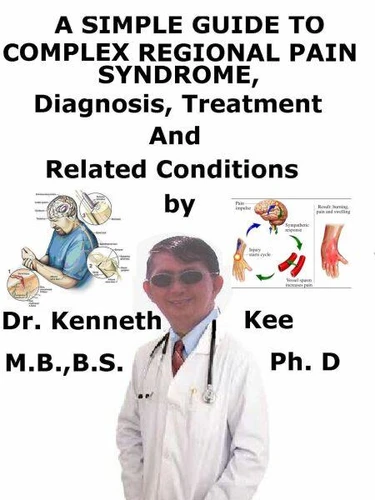
This book describes Complex Regional Pain Syndrome, Diagnosis and Treatment and Related DiseasesComplex regional pain syndrome (CRPS) is a poorly comprehended disorder where a person develops persistent severe and debilitating pain. While most instances of CRPS are precipitated by an injury, the ensuing pain is much more severe and long-lasting than normal. The pain normally only involves 1 limb but can occasionally spread to other parts of the body.
The skin of the involved body part can become so sensitive that a mild touch, bump or even a change in temperature can produce intense pain. Affected areas can also become edematous, stiff or go through fluctuating alterations in color or temperature. CRPS often slowly becomes better over time. Some people with CRPS may have pain for many years. Diagnosing CRPS can be complicated since it involves having many tests to exclude other possible causes.
The precise cause of CRPS is not known but it is believed to be the effect of the body responding abnormally to an injury. The disorder normally appears to develop within a month of an injury, either minor or more serious and can include:Bone fracturesSprains and strainsBurnsCutsMost people heal from these types of injuries without any considerable long-term effects, but people with CRPS develop pain that is much more severe and persistent than usual.
The pain can extend beyond the original injury site, normally involving an entire limb. CRPS may affect the whole arm after an injury to the finger or hand. In some instances, more than one region of the body can be involved. CRPS has also been known to happen after surgery to a limb or after part of a limb has been immobilized in a plaster cast. The main symptom of complex regional pain syndrome (CRPS) is pain, which can occasionally be severe, persistent and debilitating.
The patient may have durations of pain lasting a few days or weeks, termed flare-ups, where the pain becomes worse. Stress in particular can cause flare-ups, which is why relaxation techniques and mindfulness training is an important part of treating CRPS. If the patient has CRPS, the skin in the affected region can become very sensitive. Even the mildest touch, bump or change in temperature can produce intense pain.
The patient may hear this sensation documented as these medical terms:Hyperalgesia - feeling pain from pressure or temperature that would not normally be painfulAllodynia - feeling pain from a very light stroke of the affected skinOther symptoms areStrange sensations in the affected limbAlternating changes to the skin - hot, red and dry, other times it may be cold, blue and sweatyHair and nail changes - the hair and nails in the affected limb may grow unusually slowly or quicklyJoint stiffness and swelling in the affected limb (edema)Tremors and muscle spasms (dystonia)Difficulty moving the affected body partDifficulty sleeping (insomnia)Small patches of fragile bones (osteoporosis) in the affected limbVery rarely, CRPS can also cause complications, such as:Skin infections and open sores (ulcers)Muscle atrophy, where the muscles begin to waste awayMuscle contractures, where the muscles shorten and lose their normal range of movementSome of these problems can make it very difficult for people with CRPS to move around.
There is no single specific test for CRPS. There is no known cure for CRPS but a combination of physical treatments, medicine and psychological support can help treat the symptomsTABLE OF CONTENTIntroductionChapter 1 Complex Regional Pain SyndromeChapter 2 CausesChapter 3 SymptomsChapter 4 DiagnosisChapter 5 TreatmentChapter 6 ...
The skin of the involved body part can become so sensitive that a mild touch, bump or even a change in temperature can produce intense pain. Affected areas can also become edematous, stiff or go through fluctuating alterations in color or temperature. CRPS often slowly becomes better over time. Some people with CRPS may have pain for many years. Diagnosing CRPS can be complicated since it involves having many tests to exclude other possible causes.
The precise cause of CRPS is not known but it is believed to be the effect of the body responding abnormally to an injury. The disorder normally appears to develop within a month of an injury, either minor or more serious and can include:Bone fracturesSprains and strainsBurnsCutsMost people heal from these types of injuries without any considerable long-term effects, but people with CRPS develop pain that is much more severe and persistent than usual.
The pain can extend beyond the original injury site, normally involving an entire limb. CRPS may affect the whole arm after an injury to the finger or hand. In some instances, more than one region of the body can be involved. CRPS has also been known to happen after surgery to a limb or after part of a limb has been immobilized in a plaster cast. The main symptom of complex regional pain syndrome (CRPS) is pain, which can occasionally be severe, persistent and debilitating.
The patient may have durations of pain lasting a few days or weeks, termed flare-ups, where the pain becomes worse. Stress in particular can cause flare-ups, which is why relaxation techniques and mindfulness training is an important part of treating CRPS. If the patient has CRPS, the skin in the affected region can become very sensitive. Even the mildest touch, bump or change in temperature can produce intense pain.
The patient may hear this sensation documented as these medical terms:Hyperalgesia - feeling pain from pressure or temperature that would not normally be painfulAllodynia - feeling pain from a very light stroke of the affected skinOther symptoms areStrange sensations in the affected limbAlternating changes to the skin - hot, red and dry, other times it may be cold, blue and sweatyHair and nail changes - the hair and nails in the affected limb may grow unusually slowly or quicklyJoint stiffness and swelling in the affected limb (edema)Tremors and muscle spasms (dystonia)Difficulty moving the affected body partDifficulty sleeping (insomnia)Small patches of fragile bones (osteoporosis) in the affected limbVery rarely, CRPS can also cause complications, such as:Skin infections and open sores (ulcers)Muscle atrophy, where the muscles begin to waste awayMuscle contractures, where the muscles shorten and lose their normal range of movementSome of these problems can make it very difficult for people with CRPS to move around.
There is no single specific test for CRPS. There is no known cure for CRPS but a combination of physical treatments, medicine and psychological support can help treat the symptomsTABLE OF CONTENTIntroductionChapter 1 Complex Regional Pain SyndromeChapter 2 CausesChapter 3 SymptomsChapter 4 DiagnosisChapter 5 TreatmentChapter 6 ...
A propos de Kenneth Kee



4,49 €