SOLDES
Jusqu'à -70% sur une sélection d'articles*

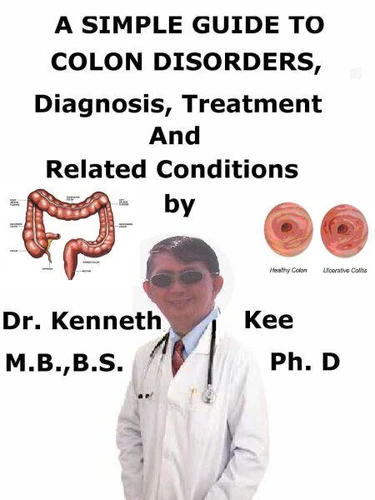
A Simple Guide to Colon Disorders, Diagnosis, Treatment and Related Conditions
Par :Formats :
Disponible dans votre compte client Decitre ou Furet du Nord dès validation de votre commande. Le format ePub est :
- Compatible avec une lecture sur My Vivlio (smartphone, tablette, ordinateur)
- Compatible avec une lecture sur liseuses Vivlio
- Pour les liseuses autres que Vivlio, vous devez utiliser le logiciel Adobe Digital Edition. Non compatible avec la lecture sur les liseuses Kindle, Remarkable et Sony
 , qui est-ce ?
Notre partenaire de plateforme de lecture numérique où vous retrouverez l'ensemble de vos ebooks gratuitement
Pour en savoir plus sur nos ebooks, consultez notre aide en ligne ici
C'est si simple ! Lisez votre ebook avec l'app Vivlio sur votre tablette, mobile ou ordinateur :

- FormatePub
- ISBN978-1-005-73632-3
- EAN9781005736323
- Date de parution24/03/2021
- Protection num.pas de protection
- Infos supplémentairesepub
- ÉditeurC. C. Chamberlane
Résumé
This book describes Colon Disorders, Diagnosis and Treatment and Related DiseasesThe colon is the large intestine and a part of the digestive system of the body. It is a long, coiled, hollow tube-like organ about 6 feet in length at the end of the digestive tract where the body makes and stores stool. The digestive system is the group of organs that permit the consumption of food to use to fuel the bodies with energy.
The colon removes water from digested food. Function of the colonThe colon plays a very important part in how the bodies use the food people eat. Food starts in the mouth where it is chewed by the teeth into smaller pieces. Once swallowed the food moves into the esophagus which joins to the stomach. In the stomach the food is further digested to fluid and moved on to the small bowel. In the small bowel, the food breakdown persists with the help of the pancreas, liver and gallbladder.
This is where all the important vitamins and nutrients in food are absorbed. What remains is mostly liquid which then moves into the colon. The water is re-absorbed in the colon. Bacteria in the colon can break down the residual substance. Then the colon moves the remainder material into the rectum. The rectum is like a storage-holder for this waste matter. Muscles in the rectum move the waste matter, called stool, out of the body through the anus.
Healthy eating is good for the overall health, but having a low-calorie, high-fiber diet that involves mostly fruits and vegetables is important to a healthy colon. Exercise and healthy habits like avoiding excess alcohol and smoking is also essential to good colon health. If the colon is not working the way it should, the patient may have problems such as bloating, gas, pain, constipation or diarrhea.
In many cases, the precise cause of bowel disorders is not known. Doctors do not know what the causes of IBS are. The exact cause of Ulcerative colitis also stays unknown. Certain risk factors may raise the risk of Crohn's disease such as:1. Smoking2. Environmental factors, such as diet3. Microbial and immunologic factors4. Family history of Crohn's disease5. Being of Jewish descentHirschsprung disease is a genetic disorder which can interact with environmental factors.
The patient is more likely to develop it if the patient has a family history of the disorder. Most intestinal obstructions are produced by injuries, previous surgeries, hernias, or in some cases, cancer. Some medicines also raise the risk of developing an intestinal obstruction. It can induce different symptoms such as bleeding, infection and perforation. Many disorders involve the colon's normal ability to function properly:1.
Irritable bowel syndrome - an uncomfortable disorder causing abdominal cramping and other symptoms2. Diverticulitis - inflammation of diverticular pouches in the colon3. Ulcerative colitis - inflammatory ulcers of the colon and rectum4. Megacolon - abnormal dilation of the colon5. Colonic polyps - extra tissue growing in the colon that can become cancerous6. Colorectal cancer - malignant disease of the colon and rectum7.
Pseudomembranous Enterocolitis - an inflammatory disease of the colon due to antibiotic use8. Hirschsprung's Disease - normally a congenital disorder of the intestinesColonoscopy helps locate ulcers, colon polyps, tumors, and regions of inflammation or bleeding. The treatment methods differ depending on the underlying cause such as lifestyle changes, medicine and surgery if required. TABLE OF CONTENTIntroductionChapter 1 Colon DisordersChapter 2 Toxic Megaco...
The colon removes water from digested food. Function of the colonThe colon plays a very important part in how the bodies use the food people eat. Food starts in the mouth where it is chewed by the teeth into smaller pieces. Once swallowed the food moves into the esophagus which joins to the stomach. In the stomach the food is further digested to fluid and moved on to the small bowel. In the small bowel, the food breakdown persists with the help of the pancreas, liver and gallbladder.
This is where all the important vitamins and nutrients in food are absorbed. What remains is mostly liquid which then moves into the colon. The water is re-absorbed in the colon. Bacteria in the colon can break down the residual substance. Then the colon moves the remainder material into the rectum. The rectum is like a storage-holder for this waste matter. Muscles in the rectum move the waste matter, called stool, out of the body through the anus.
Healthy eating is good for the overall health, but having a low-calorie, high-fiber diet that involves mostly fruits and vegetables is important to a healthy colon. Exercise and healthy habits like avoiding excess alcohol and smoking is also essential to good colon health. If the colon is not working the way it should, the patient may have problems such as bloating, gas, pain, constipation or diarrhea.
In many cases, the precise cause of bowel disorders is not known. Doctors do not know what the causes of IBS are. The exact cause of Ulcerative colitis also stays unknown. Certain risk factors may raise the risk of Crohn's disease such as:1. Smoking2. Environmental factors, such as diet3. Microbial and immunologic factors4. Family history of Crohn's disease5. Being of Jewish descentHirschsprung disease is a genetic disorder which can interact with environmental factors.
The patient is more likely to develop it if the patient has a family history of the disorder. Most intestinal obstructions are produced by injuries, previous surgeries, hernias, or in some cases, cancer. Some medicines also raise the risk of developing an intestinal obstruction. It can induce different symptoms such as bleeding, infection and perforation. Many disorders involve the colon's normal ability to function properly:1.
Irritable bowel syndrome - an uncomfortable disorder causing abdominal cramping and other symptoms2. Diverticulitis - inflammation of diverticular pouches in the colon3. Ulcerative colitis - inflammatory ulcers of the colon and rectum4. Megacolon - abnormal dilation of the colon5. Colonic polyps - extra tissue growing in the colon that can become cancerous6. Colorectal cancer - malignant disease of the colon and rectum7.
Pseudomembranous Enterocolitis - an inflammatory disease of the colon due to antibiotic use8. Hirschsprung's Disease - normally a congenital disorder of the intestinesColonoscopy helps locate ulcers, colon polyps, tumors, and regions of inflammation or bleeding. The treatment methods differ depending on the underlying cause such as lifestyle changes, medicine and surgery if required. TABLE OF CONTENTIntroductionChapter 1 Colon DisordersChapter 2 Toxic Megaco...
A propos de Kenneth Kee
4,49 €