SOLDES
Jusqu'à -70% sur une sélection d'articles*

A Simple Guide to Cholangitis, Diagnosis, Treatment and Related Conditions
Par :Formats :
Disponible dans votre compte client Decitre ou Furet du Nord dès validation de votre commande. Le format ePub est :
- Compatible avec une lecture sur My Vivlio (smartphone, tablette, ordinateur)
- Compatible avec une lecture sur liseuses Vivlio
- Pour les liseuses autres que Vivlio, vous devez utiliser le logiciel Adobe Digital Edition. Non compatible avec la lecture sur les liseuses Kindle, Remarkable et Sony
 , qui est-ce ?
Notre partenaire de plateforme de lecture numérique où vous retrouverez l'ensemble de vos ebooks gratuitement
Pour en savoir plus sur nos ebooks, consultez notre aide en ligne ici
C'est si simple ! Lisez votre ebook avec l'app Vivlio sur votre tablette, mobile ou ordinateur :

- FormatePub
- ISBN978-1-005-07008-3
- EAN9781005070083
- Date de parution01/07/2021
- Protection num.pas de protection
- Infos supplémentairesepub
- ÉditeurC. C. Chamberlane
Résumé
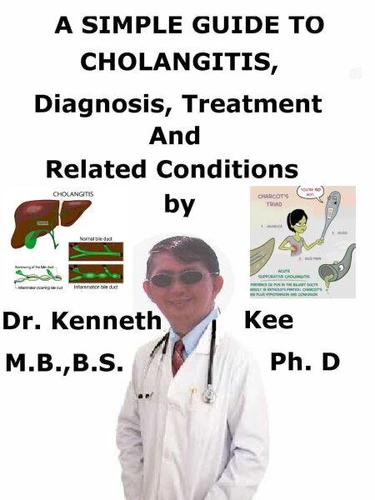
This book describes Cholangitis, Diagnosis and Treatment and Related DiseasesAcute cholangitis is normally produced by a bacterial infection of the bile duct happening from stagnation of the bile in the duct. Choledocholithiasis which is a gallstone that becomes stuck or lodged in the bile duct can produce an obstruction that results in an infection. Less often infections can happen caused by a stricture or narrowing of the duct itself such as in Primary Sclerosing Cholangitis or may be linked with a cancer.
There is a blockage of the free flow of the bile producing a stagnant disorder which allows the bacteria to take hold. The most common cause of cholangitis is infection of the bile ducts due to blockage by a gallstone. Strictures (portions of ducts that have become narrow) also function in the same way. Strictures may be due to congenital abnormalities of the bile ducts, form as a result of injury to the bile duct (such as surgery, trauma), or result from inflammation that leads to scar tissue and narrowingCholangitis is an infection of the common bile duct (CBD), the tube that carries bile from the liver to the gallbladder and intestines.
Bile is a liquid made by the liver that helps digest food. When the passage of bile out of the ducts is blocked, the few bacteria that are there rapidly reproduce. A partial blockage to the flow of bile can happen when a stone from the gallbladder blocks the duct, and also allows bacteria to flow back into the CBD, and creates ideal disorders for their growth. Tumors, on the other hand, cause a more complete blockage of bile flow, both in and out, so fewer infections happen.
The reproducing organisms are often able to enter the bloodstream and infect multiple organs such as the liver and heart valvesAnother source of inflammation of the bile ducts happens in diseases of altered immunity, called "autoimmune diseases."In these diseases, the body fails to recognize certain cells as part of its normal composition. The body thinks these cells are foreign and produces antibodies to fight them off.
Cholangitis is inflammation (swelling and redness) in the bile duct that can be classified under:1. Primary biliary cholangitis (PBC)2. Primary sclerosing cholangitis (PSC)3. Secondary cholangitis4. Immune cholangitisThere are two main forms of cholangitis:1. Chronic cholangitis happens slowly over time and can cause symptoms over 5 to 20 years.2. Acute cholangitis happens suddenly and cause symptoms over a short time period.
Causes of acute cholangitis are:1. Bacterial infection2. Gallstones3. Blockages4. TumorChronic cholangitis may be an autoimmune disease where the body's own immune system mistakenly attacks the bile ducts. Over time, inflammation can trigger scars or the growth of hard tissue inside the bile ducts. The scarring makes the ducts hard and narrow and block smaller ducts. Environmental causes of both forms of cholangitis are:1.
Infections2. Smoking3. ChemicalsThe 3 symptoms present in about 70% of patients with cholangitis are abdominal pain, fever, and jaundice and are known as Charcot's triad. While they may all be present in a person with cholangitis with hypotension and changes in a person's mental status, this is known as Reynold's Pentad. Magnetic resonance cholangiopancreatography (MRCP) can detect gallbladder and bile duct disorders.
Quick diagnosis and treatment are very important in cholangitis. TABLE OF CONTENTIntroductionChapter 1 CholangitisChapter 2 CausesChapter 3 SymptomsChapter 4 DiagnosisChapter 5 TreatmentChapter 6 PrognosisChapter 7 Acalculous CholecystopathyChapter 8 CholecystitisEpilogue
There is a blockage of the free flow of the bile producing a stagnant disorder which allows the bacteria to take hold. The most common cause of cholangitis is infection of the bile ducts due to blockage by a gallstone. Strictures (portions of ducts that have become narrow) also function in the same way. Strictures may be due to congenital abnormalities of the bile ducts, form as a result of injury to the bile duct (such as surgery, trauma), or result from inflammation that leads to scar tissue and narrowingCholangitis is an infection of the common bile duct (CBD), the tube that carries bile from the liver to the gallbladder and intestines.
Bile is a liquid made by the liver that helps digest food. When the passage of bile out of the ducts is blocked, the few bacteria that are there rapidly reproduce. A partial blockage to the flow of bile can happen when a stone from the gallbladder blocks the duct, and also allows bacteria to flow back into the CBD, and creates ideal disorders for their growth. Tumors, on the other hand, cause a more complete blockage of bile flow, both in and out, so fewer infections happen.
The reproducing organisms are often able to enter the bloodstream and infect multiple organs such as the liver and heart valvesAnother source of inflammation of the bile ducts happens in diseases of altered immunity, called "autoimmune diseases."In these diseases, the body fails to recognize certain cells as part of its normal composition. The body thinks these cells are foreign and produces antibodies to fight them off.
Cholangitis is inflammation (swelling and redness) in the bile duct that can be classified under:1. Primary biliary cholangitis (PBC)2. Primary sclerosing cholangitis (PSC)3. Secondary cholangitis4. Immune cholangitisThere are two main forms of cholangitis:1. Chronic cholangitis happens slowly over time and can cause symptoms over 5 to 20 years.2. Acute cholangitis happens suddenly and cause symptoms over a short time period.
Causes of acute cholangitis are:1. Bacterial infection2. Gallstones3. Blockages4. TumorChronic cholangitis may be an autoimmune disease where the body's own immune system mistakenly attacks the bile ducts. Over time, inflammation can trigger scars or the growth of hard tissue inside the bile ducts. The scarring makes the ducts hard and narrow and block smaller ducts. Environmental causes of both forms of cholangitis are:1.
Infections2. Smoking3. ChemicalsThe 3 symptoms present in about 70% of patients with cholangitis are abdominal pain, fever, and jaundice and are known as Charcot's triad. While they may all be present in a person with cholangitis with hypotension and changes in a person's mental status, this is known as Reynold's Pentad. Magnetic resonance cholangiopancreatography (MRCP) can detect gallbladder and bile duct disorders.
Quick diagnosis and treatment are very important in cholangitis. TABLE OF CONTENTIntroductionChapter 1 CholangitisChapter 2 CausesChapter 3 SymptomsChapter 4 DiagnosisChapter 5 TreatmentChapter 6 PrognosisChapter 7 Acalculous CholecystopathyChapter 8 CholecystitisEpilogue
A propos de Kenneth Kee




4,49 €