SOLDES
Jusqu'à -70% sur une sélection d'articles*

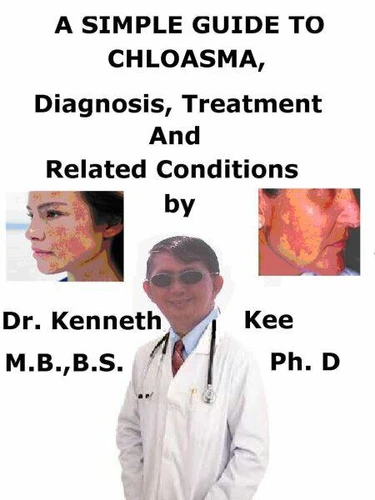
A Simple Guide to Chloasma, Diagnosis, Treatment and Related Conditions
Par :Formats :
Disponible dans votre compte client Decitre ou Furet du Nord dès validation de votre commande. Le format ePub est :
- Compatible avec une lecture sur My Vivlio (smartphone, tablette, ordinateur)
- Compatible avec une lecture sur liseuses Vivlio
- Pour les liseuses autres que Vivlio, vous devez utiliser le logiciel Adobe Digital Edition. Non compatible avec la lecture sur les liseuses Kindle, Remarkable et Sony
 , qui est-ce ?
Notre partenaire de plateforme de lecture numérique où vous retrouverez l'ensemble de vos ebooks gratuitement
Pour en savoir plus sur nos ebooks, consultez notre aide en ligne ici
C'est si simple ! Lisez votre ebook avec l'app Vivlio sur votre tablette, mobile ou ordinateur :

- FormatePub
- ISBN978-1-005-22387-8
- EAN9781005223878
- Date de parution02/11/2021
- Protection num.pas de protection
- Infos supplémentairesepub
- ÉditeurC. C. Chamberlane
Résumé
This book describes Chloasma, Diagnosis and Treatment and Related DiseasesI had a clinic assistant who had 2 pregnancies 25 years ago. With each pregnancy she develops large patches of chloasma all over her face. She had tried bleaching agents, de-pigmentation products, chemical peels, cosmetic products without any success. In fact the pigmentation becomes worse. She finally resorted to skin specialist at the National skin Center to have her pigments removed by laser treatment.
After hearing the horror stories of some patients having bleeding followed by scarring of the face, she changed her mind and did not try the laser treatment. To this day her face is still full of chloasma but she had grown used to it. Chloasma also termed melasma or mask of pregnancy is a medical disorder featured by symmetrical dark patches with irregular borders on the face. Chloasma is patches of dark skin that happen on parts of the face or neck that are exposed to the sun.
Chloasma is a frequent pigmentary skin disorder that can happen at any time in life. It is simply a type of skin discoloration present on parts of the face in 30% of women of child bearing age. Its start is normally linked to pregnancy or use of hormonal contraceptives combined with skin exposure to sunlightThe sunlight also acts like a trigger. The disorder happens mainly in women but can also involve men.
While mostly a cosmetic disorder, it can be psychologically distressing to affected persons and can negatively affect self esteem. Studies have indicated that people with darker or Asian skin tones have a higher possibility of forming the disorder. Chloasma may have been there for a number of years and can be prevented or treated in many ways. There are three sub-types of chloasma. It could be classified according to the depth of the pigments:1.
Epidermal (brown), 2. Dermal (blue-grey), 3. A mixture of both (brown-grey). It can also be classified into 3 types based on the distribution pattern of the pigments:1. Centrofacial2. Malar3. MandibularDiagnosis is made mainly on medical features and a skin biopsy is not necessary.1. Sun exposure is also a very strong triggering factor.2. It is often linked with the female hormone estrogen and progesterone in:a.
Pregnant women, b. Women taking oral contraceptivesc. Hormone replacement therapy (HRT) during the menopause.3. Hormonal imbalances in the body can also trigger Chloasma4. Visible Light (VL) all types such as UVA, fluorescent and even computer screens can spark the start of this type of disorder. Recent studies have shown that VL may aggravate Chloasma through opsin S which is a specific sensor in melanocytes responsible for hyper-pigmentation.5.
Poor immune system - e.g., thyroid auto-immunity6. Genetic factors - genetically predisposed persons are prone to developing chloasma on sun exposure7. Medicines - Certain medicines and essential oils e e.g. sulfa drugs, tetracycline, NSAIDs, perfumed soap8. Nutritional deficiency - zinc deficiencyWood's lamp may assist to help the diagnosisWood's lamp examination is useful finding the level of pigment deposition in all patients.
Epidermal chloasma is visualized clearly with Wood's lamp examination. Dermal chloasma is seen less clearly. Present treatments are:Chemical peels or topical steroid creamsLaser and light treatmentMicro-needling device that destroy dermal blood vesselsIntralesional or oral tranexamic acidAvoid sunlightTABLE OF CONTENTIntroductionChapter 1 ChloasmaChapter 2 CausesChapter 3 SymptomsChapter 4 DiagnosisChapter 5 TreatmentChapter 6 PrognosisChapter 7 Freckle...
After hearing the horror stories of some patients having bleeding followed by scarring of the face, she changed her mind and did not try the laser treatment. To this day her face is still full of chloasma but she had grown used to it. Chloasma also termed melasma or mask of pregnancy is a medical disorder featured by symmetrical dark patches with irregular borders on the face. Chloasma is patches of dark skin that happen on parts of the face or neck that are exposed to the sun.
Chloasma is a frequent pigmentary skin disorder that can happen at any time in life. It is simply a type of skin discoloration present on parts of the face in 30% of women of child bearing age. Its start is normally linked to pregnancy or use of hormonal contraceptives combined with skin exposure to sunlightThe sunlight also acts like a trigger. The disorder happens mainly in women but can also involve men.
While mostly a cosmetic disorder, it can be psychologically distressing to affected persons and can negatively affect self esteem. Studies have indicated that people with darker or Asian skin tones have a higher possibility of forming the disorder. Chloasma may have been there for a number of years and can be prevented or treated in many ways. There are three sub-types of chloasma. It could be classified according to the depth of the pigments:1.
Epidermal (brown), 2. Dermal (blue-grey), 3. A mixture of both (brown-grey). It can also be classified into 3 types based on the distribution pattern of the pigments:1. Centrofacial2. Malar3. MandibularDiagnosis is made mainly on medical features and a skin biopsy is not necessary.1. Sun exposure is also a very strong triggering factor.2. It is often linked with the female hormone estrogen and progesterone in:a.
Pregnant women, b. Women taking oral contraceptivesc. Hormone replacement therapy (HRT) during the menopause.3. Hormonal imbalances in the body can also trigger Chloasma4. Visible Light (VL) all types such as UVA, fluorescent and even computer screens can spark the start of this type of disorder. Recent studies have shown that VL may aggravate Chloasma through opsin S which is a specific sensor in melanocytes responsible for hyper-pigmentation.5.
Poor immune system - e.g., thyroid auto-immunity6. Genetic factors - genetically predisposed persons are prone to developing chloasma on sun exposure7. Medicines - Certain medicines and essential oils e e.g. sulfa drugs, tetracycline, NSAIDs, perfumed soap8. Nutritional deficiency - zinc deficiencyWood's lamp may assist to help the diagnosisWood's lamp examination is useful finding the level of pigment deposition in all patients.
Epidermal chloasma is visualized clearly with Wood's lamp examination. Dermal chloasma is seen less clearly. Present treatments are:Chemical peels or topical steroid creamsLaser and light treatmentMicro-needling device that destroy dermal blood vesselsIntralesional or oral tranexamic acidAvoid sunlightTABLE OF CONTENTIntroductionChapter 1 ChloasmaChapter 2 CausesChapter 3 SymptomsChapter 4 DiagnosisChapter 5 TreatmentChapter 6 PrognosisChapter 7 Freckle...
A propos de Kenneth Kee




4,49 €