SOLDES
Jusqu'à -70% sur une sélection d'articles*

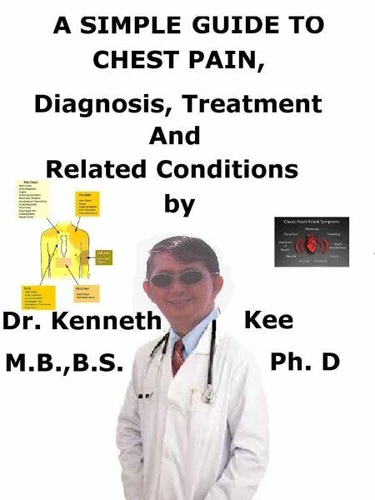
A Simple Guide to Chest Pain, Diagnosis, Treatment and Related Conditions
Par :Formats :
Disponible dans votre compte client Decitre ou Furet du Nord dès validation de votre commande. Le format ePub est :
- Compatible avec une lecture sur My Vivlio (smartphone, tablette, ordinateur)
- Compatible avec une lecture sur liseuses Vivlio
- Pour les liseuses autres que Vivlio, vous devez utiliser le logiciel Adobe Digital Edition. Non compatible avec la lecture sur les liseuses Kindle, Remarkable et Sony
 , qui est-ce ?
Notre partenaire de plateforme de lecture numérique où vous retrouverez l'ensemble de vos ebooks gratuitement
Pour en savoir plus sur nos ebooks, consultez notre aide en ligne ici
C'est si simple ! Lisez votre ebook avec l'app Vivlio sur votre tablette, mobile ou ordinateur :

- FormatePub
- ISBN978-0-463-09011-4
- EAN9780463090114
- Date de parution16/12/2021
- Protection num.pas de protection
- Infos supplémentairesepub
- ÉditeurBluewater
Résumé
This book describes Chest Pain, Diagnosis and Treatment and Related DiseasesThe fastest way to get attention in the ER is to utter the words, chest pain!. Chest pain is one of the main reasons people go to the emergency department of a hospital. There may be a dull aching sensation, pressure across the chest, sharp, or stabbing pain. Occasionally chest pain feels crushing or burning. In some patients, the pain travels up the neck, into the jaw, and then extends to the back or down one or both arms.
Chest pain can be caused by a number of factors ranging from serious heart-related disorders to causes that are not as life-threatening. Only 13 % of visits to the emergency department for chest pain are due to a heart-related disorder. New Guideline for Chest Pain:Chest pain means more than pain in the chest. High-sensitivity troponins are preferred. Early care is needed for acute symptoms. Testing is not needed routinely in low-risk patients.
Women may be more likely to present with other symptoms (nausea, shortness of breath). Identify patients most likely to benefit from further testing. Non-cardiac is in, atypical is out. Knowledge of heart-related causes of chest pain is important for an accurate diagnosis and treatment plan. A. Heart-related causesHeart attackA heart attack can result from blockage of blood flow, often from a blood clot, to the heart muscle.
The blood supply that provides the heart with oxygen can be disconnected, causing heart tissues and muscles to start dying. AnginaAngina is the chest pain symptom produced by poor blood flow to the heart. This manifests as a crushing pain in the middle of the chest. Aortic dissectionIf the inner layers of aorta separate, blood is compelled to move between the layers and can induce the aorta to rupture.
Chest pain may be the first sign of this disorderInflammation of the sac around the heart (pericarditis)This heart disorder normally produces sharp pain that becomes worse when breathing in or lying down. Pericarditis is manifested by sharp chest pains that become worse with deep breathing. B. Digestive causesHeartburnThis painful, burning sensation behind the sternum happens when stomach acid refluxes up from the stomach into the esophagusC.
Muscle and bone causesCostochondritisThe cartilage of the rib cage, mainly the cartilage that joins the ribs to the breastbone, becomes inflamed and painful to movement, breathing and palpation. Sore musclesChronic pain syndromes, such as fibromyalgia, can induce constant muscle-related chest pain. Injured ribsA bruised or broken rib due to injury can produce chest pain. D. Lung-related causesBlood clot in the lung (pulmonary embolism)A blood clot that is blocked in a lung artery can obstruct blood flow to lung tissue.
Pulmonary embolism is a serious disorder needing instant treatment and chest pain is a frequent symptom. Collapsed lung (Pneumothorax)The chest pain linked with a collapsed lung normally starts suddenly and can persist for hours and is normally linked with shortness of breath. ShinglesProduced by a reactivation of the chickenpox virus, shingles can cause pain in the chest wall nerve and form a band of blisters from the back around to the chest wall.
The most life-threatening disorders involve the heart or lungs. Chest pain does not always suggest a heart attack but heart and lung disease should be excluded first with an ECG and Chest X-ray.. TABLE OF CONTENTIntroductionChapter 1 Chest PainChapter 2 Myocardial InfarctionChapter 3 Aortic DissectionChapter 4 PericarditisChapter 5 Blood Clot in LungsChapter 6 PneumothoraxCh...
Chest pain can be caused by a number of factors ranging from serious heart-related disorders to causes that are not as life-threatening. Only 13 % of visits to the emergency department for chest pain are due to a heart-related disorder. New Guideline for Chest Pain:Chest pain means more than pain in the chest. High-sensitivity troponins are preferred. Early care is needed for acute symptoms. Testing is not needed routinely in low-risk patients.
Women may be more likely to present with other symptoms (nausea, shortness of breath). Identify patients most likely to benefit from further testing. Non-cardiac is in, atypical is out. Knowledge of heart-related causes of chest pain is important for an accurate diagnosis and treatment plan. A. Heart-related causesHeart attackA heart attack can result from blockage of blood flow, often from a blood clot, to the heart muscle.
The blood supply that provides the heart with oxygen can be disconnected, causing heart tissues and muscles to start dying. AnginaAngina is the chest pain symptom produced by poor blood flow to the heart. This manifests as a crushing pain in the middle of the chest. Aortic dissectionIf the inner layers of aorta separate, blood is compelled to move between the layers and can induce the aorta to rupture.
Chest pain may be the first sign of this disorderInflammation of the sac around the heart (pericarditis)This heart disorder normally produces sharp pain that becomes worse when breathing in or lying down. Pericarditis is manifested by sharp chest pains that become worse with deep breathing. B. Digestive causesHeartburnThis painful, burning sensation behind the sternum happens when stomach acid refluxes up from the stomach into the esophagusC.
Muscle and bone causesCostochondritisThe cartilage of the rib cage, mainly the cartilage that joins the ribs to the breastbone, becomes inflamed and painful to movement, breathing and palpation. Sore musclesChronic pain syndromes, such as fibromyalgia, can induce constant muscle-related chest pain. Injured ribsA bruised or broken rib due to injury can produce chest pain. D. Lung-related causesBlood clot in the lung (pulmonary embolism)A blood clot that is blocked in a lung artery can obstruct blood flow to lung tissue.
Pulmonary embolism is a serious disorder needing instant treatment and chest pain is a frequent symptom. Collapsed lung (Pneumothorax)The chest pain linked with a collapsed lung normally starts suddenly and can persist for hours and is normally linked with shortness of breath. ShinglesProduced by a reactivation of the chickenpox virus, shingles can cause pain in the chest wall nerve and form a band of blisters from the back around to the chest wall.
The most life-threatening disorders involve the heart or lungs. Chest pain does not always suggest a heart attack but heart and lung disease should be excluded first with an ECG and Chest X-ray.. TABLE OF CONTENTIntroductionChapter 1 Chest PainChapter 2 Myocardial InfarctionChapter 3 Aortic DissectionChapter 4 PericarditisChapter 5 Blood Clot in LungsChapter 6 PneumothoraxCh...
A propos de Kenneth Kee
4,49 €