SOLDES
Jusqu'à -70% sur une sélection d'articles*

A Simple Guide to Butterfly Skin Disease (Epidermolysis Bullosa), Diagnosis, Treatment and Related Conditions
Par :Formats :
Disponible dans votre compte client Decitre ou Furet du Nord dès validation de votre commande. Le format ePub est :
- Compatible avec une lecture sur My Vivlio (smartphone, tablette, ordinateur)
- Compatible avec une lecture sur liseuses Vivlio
- Pour les liseuses autres que Vivlio, vous devez utiliser le logiciel Adobe Digital Edition. Non compatible avec la lecture sur les liseuses Kindle, Remarkable et Sony
 , qui est-ce ?
Notre partenaire de plateforme de lecture numérique où vous retrouverez l'ensemble de vos ebooks gratuitement
Pour en savoir plus sur nos ebooks, consultez notre aide en ligne ici
C'est si simple ! Lisez votre ebook avec l'app Vivlio sur votre tablette, mobile ou ordinateur :

- FormatePub
- ISBN978-1-005-69626-9
- EAN9781005696269
- Date de parution17/10/2022
- Protection num.pas de protection
- Infos supplémentairesepub
- ÉditeurC. C. Chamberlane
Résumé
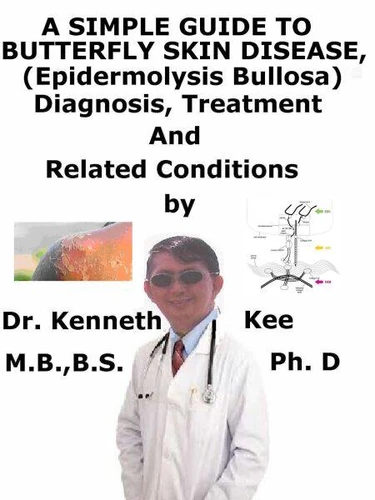
This is one of the interesting disorders that I came across while reading about skin disorders. This book describes Butterfly Skin Disease (Epidermolysis Bullosa), Diagnosis and Treatment and Related Diseases. Epidermolysis bullosa is a rare chronic non-inflammatory skin disorder that is normally inherited. It induces the skin to be incredibly thin and brittle. People who are born with this disorder are often known as "butterfly children" since their diseased skin is as delicate as a butterfly's wings.
Blistering of the skin often materializes in infancy in reaction to simply being held or handled. Epidermolysis bullosa (EB) is a group of inherited diseases that are in which large blisters and erosion develop after the slightest trauma to the skin and mucous membranes. These may arise anywhere on the body but most often appear at areas of friction and minor trauma such as the feet and hands. In some types, blisters may also develop in internal organs, such as the esophagus, stomach and respiratory tract, without any obvious friction.
In severe forms of the disorder, epidermolysis bullosa can be life-threatening. Most forms of epidermolysis bullosa are produced by a genetic mutation inherited from one or both parents that affects the production of the proteins in the skin. Epidermolysis bullosa simplex 70%Dystrophic epidermolysis bullosa 25%Junctional Epidermolysis bullosa 5%Kindler syndrome rareThere is another category of epidermolysis bullosa that is not produced by a genetic mutation.
Epidermolysis bullosa acquisita develops instead as an autoimmune disorder. Fragile or butterfly skin that blisters and tears is frequent in all forms of epidermolysis bullosaPain and itching often appear with the blisters and tears. Thick skin on the palms of the hands or soles of the feetRough or thick fingernails or toenailsChanges in skin color or toneScarring and tightening of the skinBlisters inside the mouth and throatDental problems such as tooth decayDifficulty swallowing (dysphagia)Blisters around the eyes and noseNormally epidermolysis bullosa blisters are seen at birth and during infancy.
Epidermolysis bullosa blisters may not appear until a toddler first starts to walk or when an older child starts new physical activities that trigger more friction on the soles of the feetA visual inspection of the skin and presenting signs may also be sufficient to make a diagnosis. In most cases a skin biopsy of a newly induced blister might be done to confirm the diagnosis. Families with a history of epidermolysis bullosa may need prenatal genetic testing and genetic counselingThere is no cure for epidermolysis bullosa, no matter the type.
The treatment of butterfly skin disease is mainly preventive and supportive. Wound careMedicines to relieve pain and inflammationPreventing new injuriesAvoiding complicationsRehabilitation therapyProviding good nutritionSurgeries that are occasionally used for this disorder are:Widening the esophagusPlacing a feeding tubeGrafting skinRestoring movement using surgical intervention to treat contracturesSurgical excision of squamous cell carcinomaPossible future treatmentsDoctors are studying new ways to treat epidermolysis bullosa:Gene therapy, such as gel applied to wounds of people with dystrophic epidermolysis bullosaBone marrow (stem cell) transplantationProtein replacement therapyTABLE OF CONTENTIntroductionChapter 1 Butterfly Skin Disease (Epidermolysis Bullosa)Chapter 2 CausesChapter 3 SymptomsChapter 4 DiagnosisChapter 5 TreatmentChapter 6 PrognosisChapter 7 Skin BlistersChapter 8 Dermatitis Herpetiformis...
Blistering of the skin often materializes in infancy in reaction to simply being held or handled. Epidermolysis bullosa (EB) is a group of inherited diseases that are in which large blisters and erosion develop after the slightest trauma to the skin and mucous membranes. These may arise anywhere on the body but most often appear at areas of friction and minor trauma such as the feet and hands. In some types, blisters may also develop in internal organs, such as the esophagus, stomach and respiratory tract, without any obvious friction.
In severe forms of the disorder, epidermolysis bullosa can be life-threatening. Most forms of epidermolysis bullosa are produced by a genetic mutation inherited from one or both parents that affects the production of the proteins in the skin. Epidermolysis bullosa simplex 70%Dystrophic epidermolysis bullosa 25%Junctional Epidermolysis bullosa 5%Kindler syndrome rareThere is another category of epidermolysis bullosa that is not produced by a genetic mutation.
Epidermolysis bullosa acquisita develops instead as an autoimmune disorder. Fragile or butterfly skin that blisters and tears is frequent in all forms of epidermolysis bullosaPain and itching often appear with the blisters and tears. Thick skin on the palms of the hands or soles of the feetRough or thick fingernails or toenailsChanges in skin color or toneScarring and tightening of the skinBlisters inside the mouth and throatDental problems such as tooth decayDifficulty swallowing (dysphagia)Blisters around the eyes and noseNormally epidermolysis bullosa blisters are seen at birth and during infancy.
Epidermolysis bullosa blisters may not appear until a toddler first starts to walk or when an older child starts new physical activities that trigger more friction on the soles of the feetA visual inspection of the skin and presenting signs may also be sufficient to make a diagnosis. In most cases a skin biopsy of a newly induced blister might be done to confirm the diagnosis. Families with a history of epidermolysis bullosa may need prenatal genetic testing and genetic counselingThere is no cure for epidermolysis bullosa, no matter the type.
The treatment of butterfly skin disease is mainly preventive and supportive. Wound careMedicines to relieve pain and inflammationPreventing new injuriesAvoiding complicationsRehabilitation therapyProviding good nutritionSurgeries that are occasionally used for this disorder are:Widening the esophagusPlacing a feeding tubeGrafting skinRestoring movement using surgical intervention to treat contracturesSurgical excision of squamous cell carcinomaPossible future treatmentsDoctors are studying new ways to treat epidermolysis bullosa:Gene therapy, such as gel applied to wounds of people with dystrophic epidermolysis bullosaBone marrow (stem cell) transplantationProtein replacement therapyTABLE OF CONTENTIntroductionChapter 1 Butterfly Skin Disease (Epidermolysis Bullosa)Chapter 2 CausesChapter 3 SymptomsChapter 4 DiagnosisChapter 5 TreatmentChapter 6 PrognosisChapter 7 Skin BlistersChapter 8 Dermatitis Herpetiformis...
A propos de Kenneth Kee


4,49 €