Gideon Hart is a nonfiction author who writes about leadership, philosophy, and the psychology of decision-making. His work explores how discipline, resilience, and long-term thinking shape both personal growth and success in times of uncertainty.
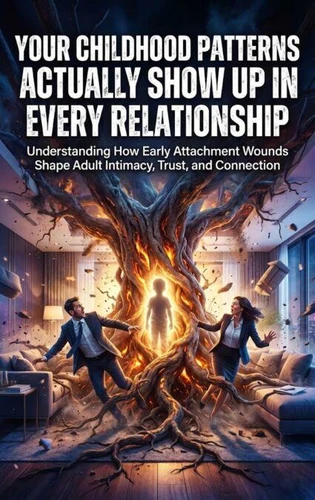
Your Childhood Patterns Actually Show Up in Every Relationship. Understanding How Early Attachment Wounds Shape Adult Intimacy, Trust, and Connection
Par :Formats :
Disponible dans votre compte client Decitre ou Furet du Nord dès validation de votre commande. Le format ePub est :
- Compatible avec une lecture sur My Vivlio (smartphone, tablette, ordinateur)
- Compatible avec une lecture sur liseuses Vivlio
- Pour les liseuses autres que Vivlio, vous devez utiliser le logiciel Adobe Digital Edition. Non compatible avec la lecture sur les liseuses Kindle, Remarkable et Sony
 , qui est-ce ?
Notre partenaire de plateforme de lecture numérique où vous retrouverez l'ensemble de vos ebooks gratuitement
Pour en savoir plus sur nos ebooks, consultez notre aide en ligne ici
C'est si simple ! Lisez votre ebook avec l'app Vivlio sur votre tablette, mobile ou ordinateur :

- Nombre de pages226
- FormatePub
- ISBN978-3-565-20812-8
- EAN9783565208128
- Date de parution29/01/2026
- Protection num.pas de protection
- Taille2 Mo
- Infos supplémentairesepub
- ÉditeurEmphaloz Publishing House
Résumé
This book explores how childhood trauma doesn't stay in the past-it lives in the way you approach intimacy, set boundaries, interpret conflict, and experience emotional safety in adult relationships. It examines the patterns beneath relationship anxiety, avoidance, people-pleasing, and emotional reactivity, reframing these as adaptive strategies your younger self developed to survive difficult relational dynamics.
Rather than pathologizing trauma responses or promising complete healing, this book invites you to recognize how early experiences with caregivers created templates for connection that still operate automatically.
It explores what happens when your nervous system learned that love meant unpredictability, abandonment, enmeshment, or emotional neglect-and how those lessons shape who you choose, how you communicate needs, and when you withdraw or cling. Through psychological insight into attachment trauma, relational patterns, and nervous system responses to intimacy, this book offers compassionate understanding of why certain relationship dynamics feel simultaneously familiar and painful.
It examines the difference between repeating childhood patterns unconsciously and making conscious choices about relationships once you see the template clearly. The goal isn't erasing the past-it's recognizing its influence clearly enough to choose differently now.
It explores what happens when your nervous system learned that love meant unpredictability, abandonment, enmeshment, or emotional neglect-and how those lessons shape who you choose, how you communicate needs, and when you withdraw or cling. Through psychological insight into attachment trauma, relational patterns, and nervous system responses to intimacy, this book offers compassionate understanding of why certain relationship dynamics feel simultaneously familiar and painful.
It examines the difference between repeating childhood patterns unconsciously and making conscious choices about relationships once you see the template clearly. The goal isn't erasing the past-it's recognizing its influence clearly enough to choose differently now.