SOLDES
Jusqu'à -70% sur une sélection d'articles*

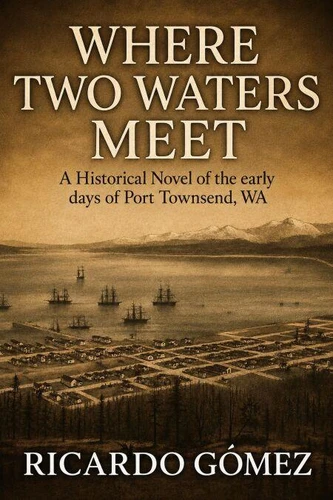
Where Two Waters Meet: A historical novel of the early days of Port Townsend, WA
Par :Formats :
Disponible dans votre compte client Decitre ou Furet du Nord dès validation de votre commande. Le format ePub est :
- Compatible avec une lecture sur My Vivlio (smartphone, tablette, ordinateur)
- Compatible avec une lecture sur liseuses Vivlio
- Pour les liseuses autres que Vivlio, vous devez utiliser le logiciel Adobe Digital Edition. Non compatible avec la lecture sur les liseuses Kindle, Remarkable et Sony
 , qui est-ce ?
Notre partenaire de plateforme de lecture numérique où vous retrouverez l'ensemble de vos ebooks gratuitement
Pour en savoir plus sur nos ebooks, consultez notre aide en ligne ici
C'est si simple ! Lisez votre ebook avec l'app Vivlio sur votre tablette, mobile ou ordinateur :

- FormatePub
- ISBN8235716452
- EAN9798235716452
- Date de parution20/06/2025
- Protection num.pas de protection
- Infos supplémentairesepub
- ÉditeurIoakim Ioakim
Résumé
Port Townsend, Washington, 1851. Two waters meet here - the Strait of Juan de Fuca and Puget Sound - and for a few decades, the men who arrived first were certain this would be the greatest city on the Pacific Coast. They platted streets that still exist, built brick buildings that still stand, and filed claims on land they had no right to take. The S'Klallam and Chemakum peoples had lived at this confluence for thousands of years before the treaties - treaties signed under pressure, in languages the signatories did not speak, ceding territories they had no framework for imagining as ownable.
Where Two Waters Meet tells the story of Port Townsend's founding years through witnesses on both sides of that transaction: the settlers who believed they were building civilization, and the people who watched their world being renamed. A novel rooted in the place where Ricardo Gómez now lives and writes - and in the history that the town's Victorian facades have always been covering.
Where Two Waters Meet tells the story of Port Townsend's founding years through witnesses on both sides of that transaction: the settlers who believed they were building civilization, and the people who watched their world being renamed. A novel rooted in the place where Ricardo Gómez now lives and writes - and in the history that the town's Victorian facades have always been covering.
A propos de Ricardo Gómez
The Language Between
E-book
5,49 €
Los Que Se Fueron
E-book
5,49 €
6,49 €
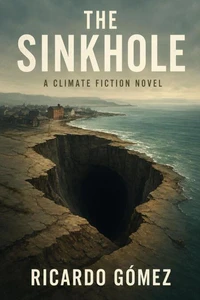
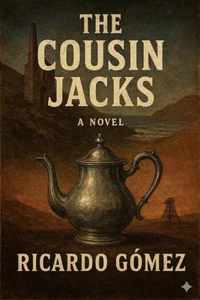
6,49 €
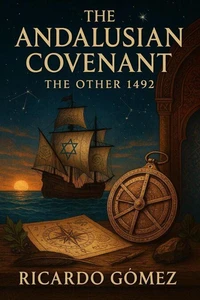
The Andalusian Covenant
E-book
6,49 €
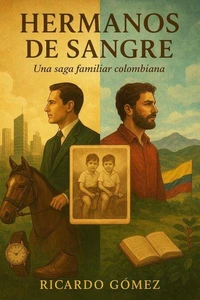
Hermanos de Sangre
E-book
7,49 €
5,49 €
7,49 €