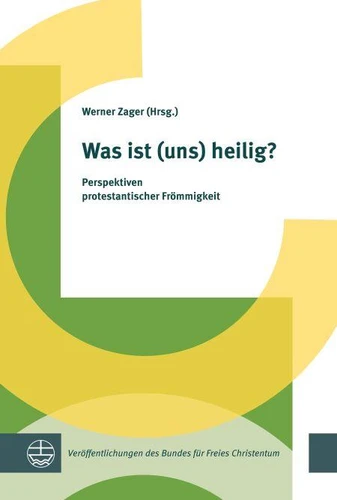
Was ist (uns) heilig?. Perspektiven protestantischer Frömmigkeit
Par :Formats :
Disponible dans votre compte client Decitre ou Furet du Nord dès validation de votre commande. Le format ePub est :
- Compatible avec une lecture sur My Vivlio (smartphone, tablette, ordinateur)
- Compatible avec une lecture sur liseuses Vivlio
- Pour les liseuses autres que Vivlio, vous devez utiliser le logiciel Adobe Digital Edition. Non compatible avec la lecture sur les liseuses Kindle, Remarkable et Sony
 , qui est-ce ?
Notre partenaire de plateforme de lecture numérique où vous retrouverez l'ensemble de vos ebooks gratuitement
Pour en savoir plus sur nos ebooks, consultez notre aide en ligne ici
C'est si simple ! Lisez votre ebook avec l'app Vivlio sur votre tablette, mobile ou ordinateur :

- Nombre de pages164
- FormatePub
- ISBN978-3-374-06251-5
- EAN9783374062515
- Date de parution30/06/2019
- Protection num.Digital Watermarking
- Taille602 Ko
- Infos supplémentairesepub
- ÉditeurEvangelische Verlagsanstalt
Résumé
Christen bekennen sich zur "einen heiligen christlichen (oder katholischen) Kirche". Sie sprechen von der Heiligen Schrift als dem für sie maßgeblichen Glaubensdokument. Sie vollziehen im Namen Gottes die heilige Taufe und feiern das heilige Abendmahl. "Das Heilige" freilich ist vielen eher fremd geworden oder wird gar mit dunklen Mächten oder Gewalt in Verbindung gebracht.
Ausgehend von Rudolf Ottos wirkmächtigem Buch "Das Heilige" geben die Beiträge dieses Bandes Antwort auf die Frage: Was ist (uns) heilig? Dies geschieht in Auseinandersetzung mit der einschlägigen biblischen Überlieferung und deren Rezeption im Protestantismus.
Dabei gilt es zugleich, aufmerksam und vorurteilsfrei wahrzunehmen, was Menschen heutzutage heilig ist. Schließlich werden Perspektiven entwickelt, welche Rolle die Erfahrung des Heiligen in einer liberalen protestantischen Frömmigkeit spielen kann. Mit Beiträgen von Hans-Ulrich Gehring, Michael Großmann, Jörg Lauster, Wolfgang Pfüller, Andreas Rössler, Werner Zager und Ingo Zöllich. What is Holy (To Us)? Perspectives of Protestant Piety Christians confess to "a holy Christian (or Catholic) church".
They speak of the Sacred Scripture as their authoritative document of faith. They perform Holy Baptism in the name of God and celebrate Holy Communion. However, "the holy" has become rather alien to many or is even associated with dark powers or violence. Starting from Rudolf Otto's influential book "The Idea of the Holy", the contributions in this volume answer the question: What is holy (to us)? This takes place through an examination of the relevant biblical traditions and their reception in Protestantism.
At the same time it is important to notice attentively and without prejudice what people today regard as holy. Finally, perspectives are developed on the role that the experience of the holy can play in a liberal Protestant piety.
Dabei gilt es zugleich, aufmerksam und vorurteilsfrei wahrzunehmen, was Menschen heutzutage heilig ist. Schließlich werden Perspektiven entwickelt, welche Rolle die Erfahrung des Heiligen in einer liberalen protestantischen Frömmigkeit spielen kann. Mit Beiträgen von Hans-Ulrich Gehring, Michael Großmann, Jörg Lauster, Wolfgang Pfüller, Andreas Rössler, Werner Zager und Ingo Zöllich. What is Holy (To Us)? Perspectives of Protestant Piety Christians confess to "a holy Christian (or Catholic) church".
They speak of the Sacred Scripture as their authoritative document of faith. They perform Holy Baptism in the name of God and celebrate Holy Communion. However, "the holy" has become rather alien to many or is even associated with dark powers or violence. Starting from Rudolf Otto's influential book "The Idea of the Holy", the contributions in this volume answer the question: What is holy (to us)? This takes place through an examination of the relevant biblical traditions and their reception in Protestantism.
At the same time it is important to notice attentively and without prejudice what people today regard as holy. Finally, perspectives are developed on the role that the experience of the holy can play in a liberal Protestant piety.