SOLDES
Jusqu'à -70% sur une sélection d'articles*

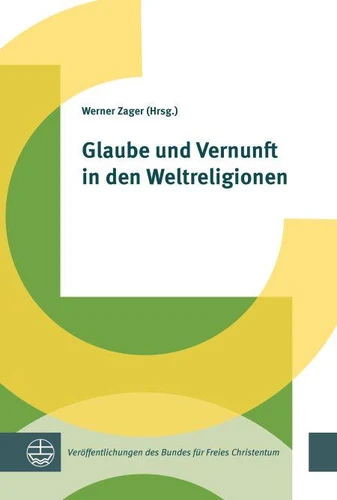
Glaube und Vernunft in den Weltreligionen
Par :Formats :
Disponible dans votre compte client Decitre ou Furet du Nord dès validation de votre commande. Le format ePub est :
- Compatible avec une lecture sur My Vivlio (smartphone, tablette, ordinateur)
- Compatible avec une lecture sur liseuses Vivlio
- Pour les liseuses autres que Vivlio, vous devez utiliser le logiciel Adobe Digital Edition. Non compatible avec la lecture sur les liseuses Kindle, Remarkable et Sony
 , qui est-ce ?
Notre partenaire de plateforme de lecture numérique où vous retrouverez l'ensemble de vos ebooks gratuitement
Pour en savoir plus sur nos ebooks, consultez notre aide en ligne ici
C'est si simple ! Lisez votre ebook avec l'app Vivlio sur votre tablette, mobile ou ordinateur :

- Nombre de pages234
- FormatePub
- ISBN978-3-374-04850-2
- EAN9783374048502
- Date de parution01/09/2017
- Protection num.Digital Watermarking
- Taille1 Mo
- Infos supplémentairesepub
- ÉditeurEvangelische Verlagsanstalt
Résumé
Obwohl in den meisten Religionen Frieden als anzustrebendes Ziel gilt, wurden Religionen immer wieder zur Legitimation von Gewalt genutzt. Seit den Ereignissen des 11. September 2001 ist die westliche und östliche Welt erneut konfrontiert mit der Gewalt im Namen der Religion.
Insofern ein fundamentalistisches Religionsverständnis den Nährboden für Krieg und Terror bildet, kommt es darauf an, die liberalen Kräfte und Strömungen in den Weltreligionen zu stärken, um ein friedliches Zusammenleben von Angehörigen verschiedener Kulturen und Religionen zu fördern.
Für das eigene religiöse Selbstverständnis ist daher von zentraler Bedeutung, wie Glaube und Vernunft so aufeinander bezogen werden können, dass es möglich ist, sowohl in der eigenen Religion beheimatet zu sein als auch die pluralistische Gesellschaft zu bejahen. Mit Beiträgen von Michael Großmann, Rabeya Müller, Wolfgang Pfüller, Andreas Rössler, Arnulf von Scheliha, Christian Wiese, Hans-Georg Wittig, Werner Zager und Ingo J.
Zöllich. [Faith and Reason in the World Religions] Although most religions claim peace as a goal to pursue, religions have been used as justification for violence again and again. Since September 11th, 2001 the Western and Eastern world has been confronted again with violence in the name of religion. As a fundamentalist understanding of religion is a fruitful basis for war and terror, it is essential to empower the liberal movements in the world religions, to support a peaceful community of people from different cultures and religions.
Therefore, it is of central importance for our own religious self-concept how faith and reason can be combined to make it possible to feel at home in your own religion and to welcome a pluralistic society.
Für das eigene religiöse Selbstverständnis ist daher von zentraler Bedeutung, wie Glaube und Vernunft so aufeinander bezogen werden können, dass es möglich ist, sowohl in der eigenen Religion beheimatet zu sein als auch die pluralistische Gesellschaft zu bejahen. Mit Beiträgen von Michael Großmann, Rabeya Müller, Wolfgang Pfüller, Andreas Rössler, Arnulf von Scheliha, Christian Wiese, Hans-Georg Wittig, Werner Zager und Ingo J.
Zöllich. [Faith and Reason in the World Religions] Although most religions claim peace as a goal to pursue, religions have been used as justification for violence again and again. Since September 11th, 2001 the Western and Eastern world has been confronted again with violence in the name of religion. As a fundamentalist understanding of religion is a fruitful basis for war and terror, it is essential to empower the liberal movements in the world religions, to support a peaceful community of people from different cultures and religions.
Therefore, it is of central importance for our own religious self-concept how faith and reason can be combined to make it possible to feel at home in your own religion and to welcome a pluralistic society.