Supporters of Donald Trump highlight a record of concrete policy achievements across both terms. They point to the appointment of three Supreme Court justices and hundreds of lower-court judges who shifted the federal judiciary toward originalism; strong pre-COVID economic growth with record-low unemployment and the 2017 tax cuts; record U. S. oil and gas production that made America a net energy exporter; sharp second-term reductions in illegal border crossings to multi-decade lows; the Abraham Accords and other diplomatic deals; increased NATO defense spending by allies; and the rapid return of dozens of American hostages and detainees.
Deregulation, the First Step Act, and Operation Warp Speed are also frequently cited as successes that delivered results for workers, energy security, and national interests. Critics focus on the damage to democratic norms, social cohesion, and institutional capacity. They emphasize Trump's sustained challenge to the 2020 election results, the January 6 Capitol attack, and subsequent mass pardons as the most serious modern threat to the peaceful transfer of power.
His polarizing rhetoric is blamed for deepening partisan and cultural divides. The COVID-19 response is criticized for early messaging failures and high mortality despite later vaccine success. Second-term actions-large federal workforce reductions, aggressive deregulation, tariffs that raised some consumer costs, and cuts to health and food programs-are seen as harming governing capacity, fiscal responsibility, and vulnerable populations while favoring higher earners and fossil fuels.
The positive case portrays Trump as a necessary disruptor who prioritized American workers, energy independence, border control, and transactional deal-making over traditional elite consensus. Measurable gains in production, judicial influence, border metrics, and certain diplomatic outcomes form the core of this view. The negative case portrays him as a norm-breaker whose personalization of power, grievance politics, and willingness to test institutional guardrails left lasting scars on democracy, trust, and administrative effectiveness.
Historical judgment will likely remain sharply divided between those who weigh tangible policy results most heavily and those who prioritize systemic and democratic risks.
Supporters of Donald Trump highlight a record of concrete policy achievements across both terms. They point to the appointment of three Supreme Court justices and hundreds of lower-court judges who shifted the federal judiciary toward originalism; strong pre-COVID economic growth with record-low unemployment and the 2017 tax cuts; record U. S. oil and gas production that made America a net energy exporter; sharp second-term reductions in illegal border crossings to multi-decade lows; the Abraham Accords and other diplomatic deals; increased NATO defense spending by allies; and the rapid return of dozens of American hostages and detainees.
Deregulation, the First Step Act, and Operation Warp Speed are also frequently cited as successes that delivered results for workers, energy security, and national interests. Critics focus on the damage to democratic norms, social cohesion, and institutional capacity. They emphasize Trump's sustained challenge to the 2020 election results, the January 6 Capitol attack, and subsequent mass pardons as the most serious modern threat to the peaceful transfer of power.
His polarizing rhetoric is blamed for deepening partisan and cultural divides. The COVID-19 response is criticized for early messaging failures and high mortality despite later vaccine success. Second-term actions-large federal workforce reductions, aggressive deregulation, tariffs that raised some consumer costs, and cuts to health and food programs-are seen as harming governing capacity, fiscal responsibility, and vulnerable populations while favoring higher earners and fossil fuels.
The positive case portrays Trump as a necessary disruptor who prioritized American workers, energy independence, border control, and transactional deal-making over traditional elite consensus. Measurable gains in production, judicial influence, border metrics, and certain diplomatic outcomes form the core of this view. The negative case portrays him as a norm-breaker whose personalization of power, grievance politics, and willingness to test institutional guardrails left lasting scars on democracy, trust, and administrative effectiveness.
Historical judgment will likely remain sharply divided between those who weigh tangible policy results most heavily and those who prioritize systemic and democratic risks.

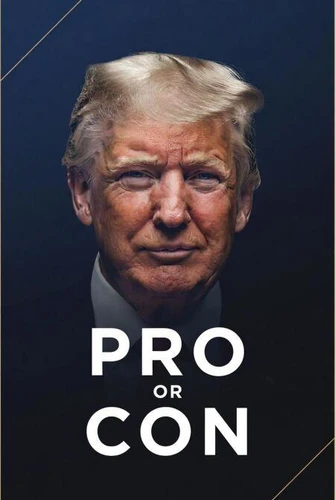

 , qui est-ce ?