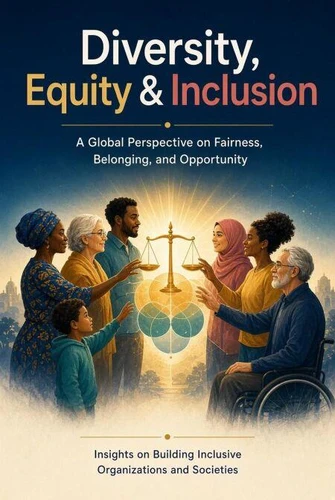
DEI stands for Diversity, Equity, and Inclusion. It refers to organizational and institutional efforts aimed at: Diversity: Increasing representation of people from different demographic backgrounds (race, ethnicity, gender, disability, sexual orientation, age, etc.). Equity: Addressing unequal outcomes by providing differential support or removing barriers so that groups achieve more comparable results (distinct from pure equality of treatment).
Inclusion: Creating environments where people from varied backgrounds feel respected, valued, and able to fully participate and belong. In practice, DEI has typically involved training, demographic goal-setting, employee resource groups, targeted recruiting, and policy changes. Originating largely from U. S. civil rights and affirmative action traditions, it expanded significantly in corporations, universities, and government in the 2010s-early 2020s, before facing substantial legal, political, and corporate pushback in recent years.
DEI stands for Diversity, Equity, and Inclusion. It refers to organizational and institutional efforts aimed at: Diversity: Increasing representation of people from different demographic backgrounds (race, ethnicity, gender, disability, sexual orientation, age, etc.). Equity: Addressing unequal outcomes by providing differential support or removing barriers so that groups achieve more comparable results (distinct from pure equality of treatment).
Inclusion: Creating environments where people from varied backgrounds feel respected, valued, and able to fully participate and belong. In practice, DEI has typically involved training, demographic goal-setting, employee resource groups, targeted recruiting, and policy changes. Originating largely from U. S. civil rights and affirmative action traditions, it expanded significantly in corporations, universities, and government in the 2010s-early 2020s, before facing substantial legal, political, and corporate pushback in recent years.


 , qui est-ce ?