
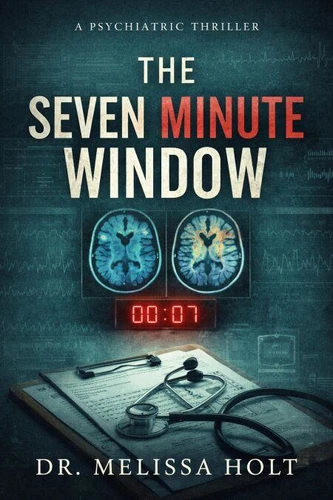
The Seven Minute Window
Par :Formats :
Disponible dans votre compte client Decitre ou Furet du Nord dès validation de votre commande. Le format ePub est :
- Compatible avec une lecture sur My Vivlio (smartphone, tablette, ordinateur)
- Compatible avec une lecture sur liseuses Vivlio
- Pour les liseuses autres que Vivlio, vous devez utiliser le logiciel Adobe Digital Edition. Non compatible avec la lecture sur les liseuses Kindle, Remarkable et Sony
 , qui est-ce ?
Notre partenaire de plateforme de lecture numérique où vous retrouverez l'ensemble de vos ebooks gratuitement
Pour en savoir plus sur nos ebooks, consultez notre aide en ligne ici
C'est si simple ! Lisez votre ebook avec l'app Vivlio sur votre tablette, mobile ou ordinateur :

- FormatePub
- ISBN8233843655
- EAN9798233843655
- Date de parution07/01/2026
- Protection num.pas de protection
- Infos supplémentairesepub
- ÉditeurLinda Balsamo
Résumé
There is a moment the brain enters after the body has technically survived. A narrow interval where memory loosens, meaning rearranges itself, and endings quietly rehearse. The Seven Minute Window is a psychological thriller told through interlinked short cases drawn from true clinical phenomena. Each chapter follows a mind that crossed the threshold between life and death-and came back altered in ways medicine struggles to name.
The stories are observed through the lens of a psychiatrist who understands the science, trusts the data, and still cannot explain what remains. What begins as recovery becomes distortion. Relief becomes dangerous. Silence becomes communicative. Across nineteen cases, the book explores how survival itself can fracture identity, how the need for closure can become pathological, and how attention alone may shape outcomes.
Structured as paired narratives and clinical residue, The Seven Minute Window is not a collection of ghost stories. It is a study of what lingers when consciousness brushes against its own ending-and how that knowledge spreads. This is a book about minds that finish before bodies do. About clinicians who notice too late. About the cost of understanding. Once you start reading, the question is not whether the window exists.
It is whether you have already passed through it.
The stories are observed through the lens of a psychiatrist who understands the science, trusts the data, and still cannot explain what remains. What begins as recovery becomes distortion. Relief becomes dangerous. Silence becomes communicative. Across nineteen cases, the book explores how survival itself can fracture identity, how the need for closure can become pathological, and how attention alone may shape outcomes.
Structured as paired narratives and clinical residue, The Seven Minute Window is not a collection of ghost stories. It is a study of what lingers when consciousness brushes against its own ending-and how that knowledge spreads. This is a book about minds that finish before bodies do. About clinicians who notice too late. About the cost of understanding. Once you start reading, the question is not whether the window exists.
It is whether you have already passed through it.
A propos de Melissa Holt

5,49 €
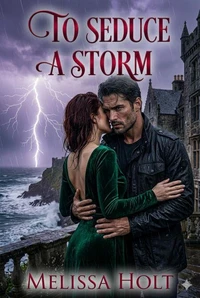
To Seduce A Storm. 1, #1
E-book
5,99 €

Dust, Wind, And Faith
E-book
10,49 €
8,99 €

Sun Bleached Bones
E-book
13,99 €
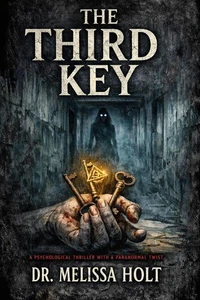
The Third Key
E-book
9,49 €
5,99 €
5,49 €

11,49 €
5,49 €
5,49 €

Ruby Jean Rose
E-book
4,49 €

21,99 €