SOLDES
Jusqu'à -70% sur une sélection d'articles*

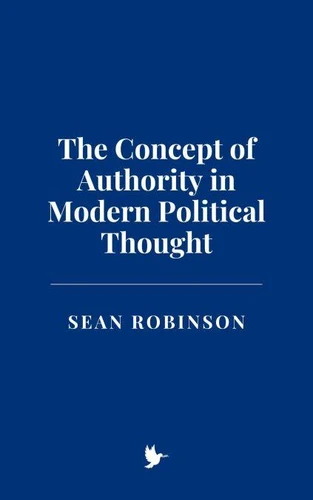
The Concept of Authority in Modern Political Thought
Par :Formats :
Disponible dans votre compte client Decitre ou Furet du Nord dès validation de votre commande. Le format ePub est :
- Compatible avec une lecture sur My Vivlio (smartphone, tablette, ordinateur)
- Compatible avec une lecture sur liseuses Vivlio
- Pour les liseuses autres que Vivlio, vous devez utiliser le logiciel Adobe Digital Edition. Non compatible avec la lecture sur les liseuses Kindle, Remarkable et Sony
 , qui est-ce ?
Notre partenaire de plateforme de lecture numérique où vous retrouverez l'ensemble de vos ebooks gratuitement
Pour en savoir plus sur nos ebooks, consultez notre aide en ligne ici
C'est si simple ! Lisez votre ebook avec l'app Vivlio sur votre tablette, mobile ou ordinateur :

- FormatePub
- ISBN8230216377
- EAN9798230216377
- Date de parution11/02/2025
- Protection num.pas de protection
- Infos supplémentairesepub
- ÉditeurIndependently Published
Résumé
This book explores the evolving concept of authority in political theory, analyzing its historical development, philosophical underpinnings, and contemporary challenges. Beginning with foundational ideas from thinkers like Thomas Hobbes, John Locke, and Jean-Jacques Rousseau, the book traces the transformation of authority from absolute monarchies to modern democratic states. It examines the tensions between state sovereignty, individual rights, and social order, considering how authority is justified and exercised in different political systems.
The work delves into the dynamics of authority in the face of modern challenges, such as the rise of populism, the impact of global capitalism, the increasing role of digital technologies, and the complex web of international governance. It also addresses the implications of environmental crises, migration, and social justice movements on the legitimacy of political institutions. Through an analysis of the relationship between power, governance, and legitimacy, the book offers a comprehensive view of how authority functions in both democratic and authoritarian contexts, while questioning its limits in an increasingly interconnected world.
Drawing from key historical events, contemporary political movements, and the rise of non-state actors, this study highlights the ongoing debates about who should hold authority, how it should be exercised, and to what end. It ultimately serves as a critical reflection on the future of political authority in the 21st century, considering the tensions between global cooperation, national sovereignty, and individual autonomy.
Through this exploration, the book provides insights into the complex and shifting terrain of political authority in the modern age, with an eye toward how emerging trends may shape governance in the years to come.
The work delves into the dynamics of authority in the face of modern challenges, such as the rise of populism, the impact of global capitalism, the increasing role of digital technologies, and the complex web of international governance. It also addresses the implications of environmental crises, migration, and social justice movements on the legitimacy of political institutions. Through an analysis of the relationship between power, governance, and legitimacy, the book offers a comprehensive view of how authority functions in both democratic and authoritarian contexts, while questioning its limits in an increasingly interconnected world.
Drawing from key historical events, contemporary political movements, and the rise of non-state actors, this study highlights the ongoing debates about who should hold authority, how it should be exercised, and to what end. It ultimately serves as a critical reflection on the future of political authority in the 21st century, considering the tensions between global cooperation, national sovereignty, and individual autonomy.
Through this exploration, the book provides insights into the complex and shifting terrain of political authority in the modern age, with an eye toward how emerging trends may shape governance in the years to come.
A propos de Sean Robinson
2,99 €
2,99 €
2,99 €

2,99 €
2,99 €

2,99 €