Sarah Whitfield is a nonfiction author who writes about history, culture, and the hidden stories behind social change. Her work combines accessible research with engaging storytelling, exploring how everyday lives are shaped by politics, tradition, and shifting historical events across different eras.
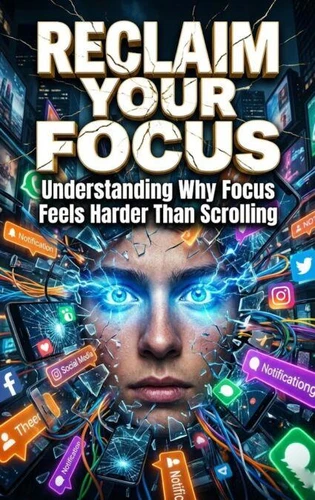
Reclaim Your Focus: Fighting Digital Distraction. Understanding Why Focus Feels Harder Than Scrolling
Par :Formats :
Disponible dans votre compte client Decitre ou Furet du Nord dès validation de votre commande. Le format ePub est :
- Compatible avec une lecture sur My Vivlio (smartphone, tablette, ordinateur)
- Compatible avec une lecture sur liseuses Vivlio
- Pour les liseuses autres que Vivlio, vous devez utiliser le logiciel Adobe Digital Edition. Non compatible avec la lecture sur les liseuses Kindle, Remarkable et Sony
 , qui est-ce ?
Notre partenaire de plateforme de lecture numérique où vous retrouverez l'ensemble de vos ebooks gratuitement
Pour en savoir plus sur nos ebooks, consultez notre aide en ligne ici
C'est si simple ! Lisez votre ebook avec l'app Vivlio sur votre tablette, mobile ou ordinateur :

- Nombre de pages128
- FormatePub
- ISBN978-3-565-23382-3
- EAN9783565233823
- Date de parution10/02/2026
- Protection num.pas de protection
- Taille2 Mo
- Infos supplémentairesepub
- ÉditeurEmphaloz Publishing House
Résumé
Digital distraction isn't just a technology problem-it's an emotional one. This book explores the psychological patterns beneath our compulsive reaching for screens, examining how distraction functions as refuge from discomfort, boredom, and the vulnerability of sustained attention. Through understanding why stillness can feel intolerable, how our nervous system seeks relief in novelty, and what happens when presence requires tolerating difficult emotions, this work offers insight into the protective nature of our fractured focus.
Rather than prescribing productivity hacks or demonizing technology, it invites readers to explore what their distraction is actually sheltering them from, how continuous stimulation numbs emotional awareness, and why reclaiming attention means developing capacity for internal discomfort. For anyone who finds themselves habitually reaching for their phone, struggling to sustain deep work, or feeling vaguely anxious in moments of quiet, this book reframes distraction as an understandable response to the emotional demands of being present.
Rather than prescribing productivity hacks or demonizing technology, it invites readers to explore what their distraction is actually sheltering them from, how continuous stimulation numbs emotional awareness, and why reclaiming attention means developing capacity for internal discomfort. For anyone who finds themselves habitually reaching for their phone, struggling to sustain deep work, or feeling vaguely anxious in moments of quiet, this book reframes distraction as an understandable response to the emotional demands of being present.