Jared Douglas is an English-language nonfiction author known for writing investigative works on economics, industrial systems, and the hidden infrastructure behind modern society. His books combine analytical depth with accessible storytelling, examining how supply chains, corporate influence, technological change, and political decisions shape everyday life in ways most people rarely notice. Jared's writing style is direct, immersive, and richly detailed, turning complex institutional subjects into narratives that feel both urgent and deeply human.
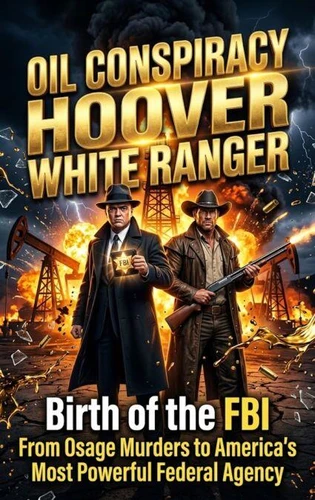
Oil Conspiracy Hoover White Ranger. Birth of the FBI From Osage Murders to America's Most Powerful Federal Agency
Par :Formats :
Disponible dans votre compte client Decitre ou Furet du Nord dès validation de votre commande. Le format ePub est :
- Compatible avec une lecture sur My Vivlio (smartphone, tablette, ordinateur)
- Compatible avec une lecture sur liseuses Vivlio
- Pour les liseuses autres que Vivlio, vous devez utiliser le logiciel Adobe Digital Edition. Non compatible avec la lecture sur les liseuses Kindle, Remarkable et Sony
 , qui est-ce ?
Notre partenaire de plateforme de lecture numérique où vous retrouverez l'ensemble de vos ebooks gratuitement
Pour en savoir plus sur nos ebooks, consultez notre aide en ligne ici
C'est si simple ! Lisez votre ebook avec l'app Vivlio sur votre tablette, mobile ou ordinateur :

- Nombre de pages184
- FormatePub
- ISBN978-3-565-45534-8
- EAN9783565455348
- Date de parution23/05/2026
- Protection num.pas de protection
- Taille2 Mo
- Infos supplémentairesepub
- ÉditeurEmphaloz Publishing House
Résumé
This book explores how the oil-driven conspiracy among the Osage murders forged an unexpected alliance between frontier lawmen and bureaucratic ambition, tracing the human resonance behind the birth of modern federal investigative power. It asks what happens when greed for riches meets the lure of state authority, and how a tragic quest for justice reshaped the very idea of national security in a young republic.
The expansion of federal investigative jurisdiction through the Osage case shows how a localized crime triggered a national response that redefined the Bureau of Investigation's role.
By demanding federal intervention, the Osage tribal council highlighted the limits of local governance and opened a path for national authorities to assert new competencies in criminal matters. The adoption of undercover tactics and collaboration with Native American agents, exemplified by Tom White's team, created a template for future covert operations and intercultural cooperation in federal investigations.
Their work demonstrated that trust could be built across cultural divides through shared purpose and careful deception, a model that later informed strategies in organized crime and counterterrorism efforts. The transformation of public perception and institutional identity following scandal and reform led to the renaming of the bureau and the consolidation of centralized leadership. This shift reflected broader societal demands for transparency and efficiency, echoing in later debates about the proper scope of federal power and the safeguards needed to prevent abuse.
By demanding federal intervention, the Osage tribal council highlighted the limits of local governance and opened a path for national authorities to assert new competencies in criminal matters. The adoption of undercover tactics and collaboration with Native American agents, exemplified by Tom White's team, created a template for future covert operations and intercultural cooperation in federal investigations.
Their work demonstrated that trust could be built across cultural divides through shared purpose and careful deception, a model that later informed strategies in organized crime and counterterrorism efforts. The transformation of public perception and institutional identity following scandal and reform led to the renaming of the bureau and the consolidation of centralized leadership. This shift reflected broader societal demands for transparency and efficiency, echoing in later debates about the proper scope of federal power and the safeguards needed to prevent abuse.