Celeste Rowan is a nonfiction author known for writing reflective books on mindfulness, emotional resilience, and intentional living. Her calm and thoughtful approach blends psychology, philosophy, and everyday wisdom to help readers cultivate greater balance, clarity, and inner peace.
Nouveauté
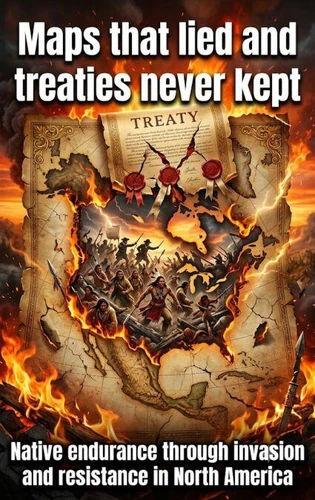
Maps that lied and treaties never kept. Native endurance through invasion and resistance in North America
Par :Formats :
Disponible dans votre compte client Decitre ou Furet du Nord dès validation de votre commande. Le format ePub est :
- Compatible avec une lecture sur My Vivlio (smartphone, tablette, ordinateur)
- Compatible avec une lecture sur liseuses Vivlio
- Pour les liseuses autres que Vivlio, vous devez utiliser le logiciel Adobe Digital Edition. Non compatible avec la lecture sur les liseuses Kindle, Remarkable et Sony
 , qui est-ce ?
Notre partenaire de plateforme de lecture numérique où vous retrouverez l'ensemble de vos ebooks gratuitement
Pour en savoir plus sur nos ebooks, consultez notre aide en ligne ici
C'est si simple ! Lisez votre ebook avec l'app Vivlio sur votre tablette, mobile ou ordinateur :

- Nombre de pages222
- FormatePub
- ISBN978-3-565-54557-5
- EAN9783565545575
- Date de parution08/07/2026
- Protection num.pas de protection
- Taille683 Ko
- Infos supplémentairesepub
- ÉditeurEmphaloz Publishing House
Résumé
They saw the first ships. They watched the treaties signed and broken. For generations, Indigenous nations across North America faced a relentless wave of colonization that sought to erase not only their lands but their identities. This book traces that long arc of encounter, conflict, and endurance from the perspective of those who lived it. Rather than a simple chronicle of defeat, it examines how Native societies adapted their governance, economies, and spiritual systems under existential threat.
The mechanisms of displacement-disease, forced relocation, assimilationist policy-are laid bare alongside the quieter acts of cultural preservation that made survival possible. From the Iroquois Confederacy's diplomatic sophistication to the Plains tribes' military resistance, the narrative refuses to cast Indigenous peoples as passive victims. Instead, it reveals the strategic choices, internal divisions, and hard-won compromises that shaped each generation's response.
The consequence of these centuries is not merely a story of loss but of transformation under duress. What endured was not untouched, but it endured. This is a reckoning with what was taken and what was held-a history written from the ground where both happened.
The mechanisms of displacement-disease, forced relocation, assimilationist policy-are laid bare alongside the quieter acts of cultural preservation that made survival possible. From the Iroquois Confederacy's diplomatic sophistication to the Plains tribes' military resistance, the narrative refuses to cast Indigenous peoples as passive victims. Instead, it reveals the strategic choices, internal divisions, and hard-won compromises that shaped each generation's response.
The consequence of these centuries is not merely a story of loss but of transformation under duress. What endured was not untouched, but it endured. This is a reckoning with what was taken and what was held-a history written from the ground where both happened.