SOLDES
Jusqu'à -70% sur une sélection d'articles*

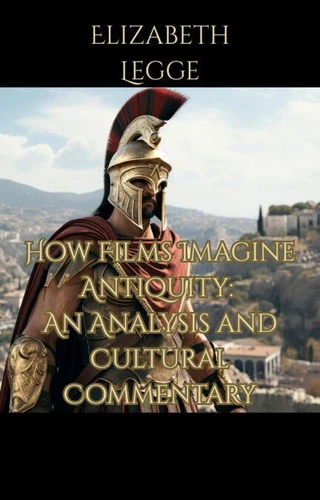
How Films Imagine Antiquity: An Analysis and Cultural Commentary
Par :Formats :
Disponible dans votre compte client Decitre ou Furet du Nord dès validation de votre commande. Le format ePub est :
- Compatible avec une lecture sur My Vivlio (smartphone, tablette, ordinateur)
- Compatible avec une lecture sur liseuses Vivlio
- Pour les liseuses autres que Vivlio, vous devez utiliser le logiciel Adobe Digital Edition. Non compatible avec la lecture sur les liseuses Kindle, Remarkable et Sony
 , qui est-ce ?
Notre partenaire de plateforme de lecture numérique où vous retrouverez l'ensemble de vos ebooks gratuitement
Pour en savoir plus sur nos ebooks, consultez notre aide en ligne ici
C'est si simple ! Lisez votre ebook avec l'app Vivlio sur votre tablette, mobile ou ordinateur :

- FormatePub
- ISBN8231686438
- EAN9798231686438
- Date de parution23/02/2026
- Protection num.pas de protection
- Infos supplémentairesepub
- ÉditeurWalzone Press
Résumé
How Films Imagine Antiquity is a journey through the cinematic imagination of the ancient world. From childhood encounters with epic films to a career in archaeology, psychology, and cultural analysis, Elizabeth Legge brings a rare interdisciplinary lens to the stories that shaped our understanding of antiquity. This book examines how films construct ancient worlds - not only through sets and costumes, but through narrative logic, political assumptions, emotional archetypes, and cultural memory.
Why do certain characters endure across decades of cinema? How do films blend myth, history, and psychology? And what do these choices reveal about the societies that create them?With chapters ranging from The Ten Commandments to Gladiator, from Roman Britain to biblical epics and psychological mythmaking, this work explores the evolution of epic storytelling and the shifting ways Hollywood imagines power, identity, and the ancient past.
Written by an archaeologist, novelist (as Elyse DeBarre), and lifelong student of film, this book blends scholarly insight with accessible commentary. It is also a living book: new chapters and revisions appear periodically, and readers can access them simply by refreshing the text. For anyone who loves ancient history, epic cinema, cultural analysis, or the intersection of myth and storytelling, How Films Imagine Antiquity offers a rich, evolving exploration of how the past lives on in film.
Why do certain characters endure across decades of cinema? How do films blend myth, history, and psychology? And what do these choices reveal about the societies that create them?With chapters ranging from The Ten Commandments to Gladiator, from Roman Britain to biblical epics and psychological mythmaking, this work explores the evolution of epic storytelling and the shifting ways Hollywood imagines power, identity, and the ancient past.
Written by an archaeologist, novelist (as Elyse DeBarre), and lifelong student of film, this book blends scholarly insight with accessible commentary. It is also a living book: new chapters and revisions appear periodically, and readers can access them simply by refreshing the text. For anyone who loves ancient history, epic cinema, cultural analysis, or the intersection of myth and storytelling, How Films Imagine Antiquity offers a rich, evolving exploration of how the past lives on in film.