SOLDES
Jusqu'à -70% sur une sélection d'articles*

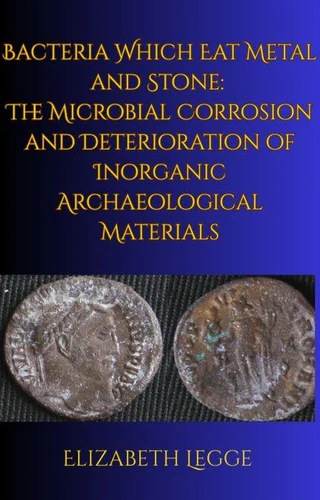
Bacteria Which Eat Metal and Stone: The Microbial Corrosion and Deterioration of Inorganic Archaeological Materials
Par :Formats :
Disponible dans votre compte client Decitre ou Furet du Nord dès validation de votre commande. Le format ePub est :
- Compatible avec une lecture sur My Vivlio (smartphone, tablette, ordinateur)
- Compatible avec une lecture sur liseuses Vivlio
- Pour les liseuses autres que Vivlio, vous devez utiliser le logiciel Adobe Digital Edition. Non compatible avec la lecture sur les liseuses Kindle, Remarkable et Sony
 , qui est-ce ?
Notre partenaire de plateforme de lecture numérique où vous retrouverez l'ensemble de vos ebooks gratuitement
Pour en savoir plus sur nos ebooks, consultez notre aide en ligne ici
C'est si simple ! Lisez votre ebook avec l'app Vivlio sur votre tablette, mobile ou ordinateur :

- FormatePub
- ISBN8215878422
- EAN9798215878422
- Date de parution23/01/2026
- Protection num.pas de protection
- Infos supplémentairesepub
- ÉditeurWMG Publishing
Résumé
Bacteria Which Eat Metal and Stone: The Microbial Corrosion and Deterioration of Inorganic Archaeological Materials presents an archaeological perspective on how microorganisms and pollutants accelerate the decay of artefacts and monuments. Drawing on examples from shipwrecks, cathedrals, and excavated finds, this work explains the biochemical reactions of sulphate-reducing bacteria, methanogens, and biofilms that attack metals and stone.
It highlights the role of organic matter, salt water, and modern pollution in driving corrosion, and outlines conservation strategies to protect cultural heritage. This booklet combines scientific detail with archaeological context, offering readers a clear understanding of microbial corrosion and its implications for preservation today.
It highlights the role of organic matter, salt water, and modern pollution in driving corrosion, and outlines conservation strategies to protect cultural heritage. This booklet combines scientific detail with archaeological context, offering readers a clear understanding of microbial corrosion and its implications for preservation today.