SOLDES
Jusqu'à -70% sur une sélection d'articles*

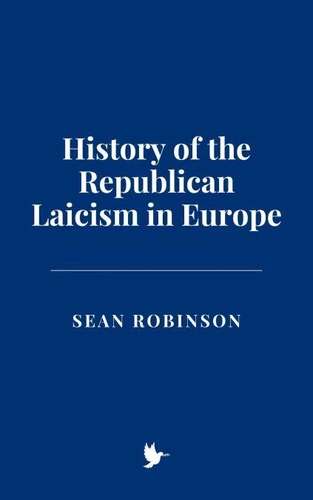
History of the Republican Laicism in Europe
Par :Formats :
Disponible dans votre compte client Decitre ou Furet du Nord dès validation de votre commande. Le format ePub est :
- Compatible avec une lecture sur My Vivlio (smartphone, tablette, ordinateur)
- Compatible avec une lecture sur liseuses Vivlio
- Pour les liseuses autres que Vivlio, vous devez utiliser le logiciel Adobe Digital Edition. Non compatible avec la lecture sur les liseuses Kindle, Remarkable et Sony
 , qui est-ce ?
Notre partenaire de plateforme de lecture numérique où vous retrouverez l'ensemble de vos ebooks gratuitement
Pour en savoir plus sur nos ebooks, consultez notre aide en ligne ici
C'est si simple ! Lisez votre ebook avec l'app Vivlio sur votre tablette, mobile ou ordinateur :

- FormatePub
- ISBN8230502166
- EAN9798230502166
- Date de parution01/01/2025
- Protection num.pas de protection
- Infos supplémentairesepub
- ÉditeurIndependently Published
Résumé
The history of republican laicism in Europe is a rich and complex narrative, encompassing centuries of intellectual, political, and social transformations. This work traces the evolution of laicism from its roots in the Enlightenment and the French Revolution to its contemporary challenges in an increasingly diverse and globalized world. By examining the interplay between secular governance and religious influence, the text highlights the ways in which laicism has shaped-and been shaped by-major historical events, including the Reformation, the rise of nation-states, the Industrial Revolution, and the two World Wars.
Key themes explored include the philosophical underpinnings of secularism, the role of education as a battleground for laicist ideals, and the tensions between nationalism and religious pluralism. The narrative extends beyond Europe to consider comparative global perspectives, analyzing how laicism has interacted with diverse cultural and religious traditions in contexts such as the United States, India, and Turkey.
Special attention is given to the challenges posed by populism, globalization, and migration in the 21st century, as well as the role of supranational institutions like the European Union in mediating these dynamics. Primary sources, including constitutional texts, judicial rulings, and papal encyclicals, are woven into the analysis to provide historical depth and contextual specificity. The work also engages with key thinkers, from Voltaire and Rousseau to Habermas and Taylor, whose contributions illuminate the evolving meaning of laicism as a principle of governance and social organization.
Ultimately, the study argues that laicism, while deeply rooted in European republicanism, is a dynamic and adaptable framework. It offers a model for addressing the complexities of pluralism and diversity while safeguarding the principles of equality, freedom, and democracy. As Europe and the world confront pressing global challenges, laicism remains a vital tool for negotiating the relationship between secular and religious worldviews in an interconnected and rapidly changing era.
Key themes explored include the philosophical underpinnings of secularism, the role of education as a battleground for laicist ideals, and the tensions between nationalism and religious pluralism. The narrative extends beyond Europe to consider comparative global perspectives, analyzing how laicism has interacted with diverse cultural and religious traditions in contexts such as the United States, India, and Turkey.
Special attention is given to the challenges posed by populism, globalization, and migration in the 21st century, as well as the role of supranational institutions like the European Union in mediating these dynamics. Primary sources, including constitutional texts, judicial rulings, and papal encyclicals, are woven into the analysis to provide historical depth and contextual specificity. The work also engages with key thinkers, from Voltaire and Rousseau to Habermas and Taylor, whose contributions illuminate the evolving meaning of laicism as a principle of governance and social organization.
Ultimately, the study argues that laicism, while deeply rooted in European republicanism, is a dynamic and adaptable framework. It offers a model for addressing the complexities of pluralism and diversity while safeguarding the principles of equality, freedom, and democracy. As Europe and the world confront pressing global challenges, laicism remains a vital tool for negotiating the relationship between secular and religious worldviews in an interconnected and rapidly changing era.
A propos de Sean Robinson
2,99 €
2,99 €
2,99 €
2,99 €
2,99 €
2,99 €