SOLDES
Jusqu'à -70% sur une sélection d'articles*

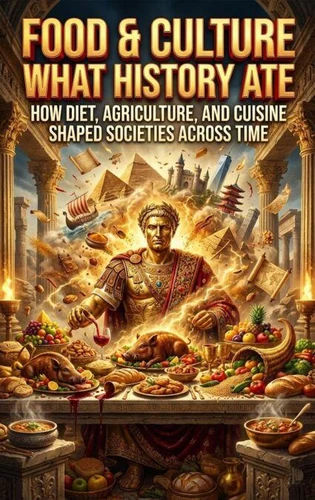
Food & Culture: What History Ate. How Diet, Agriculture, and Cuisine Shaped Societies Across Time
Par :Formats :
Disponible dans votre compte client Decitre ou Furet du Nord dès validation de votre commande. Le format ePub est :
- Compatible avec une lecture sur My Vivlio (smartphone, tablette, ordinateur)
- Compatible avec une lecture sur liseuses Vivlio
- Pour les liseuses autres que Vivlio, vous devez utiliser le logiciel Adobe Digital Edition. Non compatible avec la lecture sur les liseuses Kindle, Remarkable et Sony
 , qui est-ce ?
Notre partenaire de plateforme de lecture numérique où vous retrouverez l'ensemble de vos ebooks gratuitement
Pour en savoir plus sur nos ebooks, consultez notre aide en ligne ici
C'est si simple ! Lisez votre ebook avec l'app Vivlio sur votre tablette, mobile ou ordinateur :

- Nombre de pages237
- FormatePub
- ISBN978-3-565-25229-9
- EAN9783565252299
- Date de parution16/02/2026
- Protection num.pas de protection
- Taille2 Mo
- Infos supplémentairesepub
- ÉditeurEmphaloz Publishing House
Résumé
What people ate reveals how they lived, what they valued, and how their societies functioned. This exploration traces the intimate relationship between food and culture across civilizations, using archaeological remains and documentary evidence to reconstruct dietary patterns, agricultural systems, and culinary traditions that shaped human history.
From Neolithic grain cultivation to medieval feast protocols, from colonial spice trade to industrial food production, discover how sustenance choices reflected and reinforced social hierarchies, religious beliefs, and economic structures.
Examine how climate and geography determined available ingredients, while cultural preferences transformed basic nutrition into elaborate cuisine. Archaeological findings-ancient seeds, animal bones, cooking vessels, food residues-provide concrete evidence of what ended up on plates. Documentary sources-recipes, farm records, sumptuary laws, travelers' accounts-reveal the meanings people attached to their meals.
Together, they illuminate how food connected local production to global trade, private kitchens to public power, individual taste to collective identity. Each chapter explores specific periods and regions, showing how dietary changes accompanied major historical transitions. Understand how the Columbian Exchange revolutionized European and American diets, how urbanization altered eating patterns, how preservation techniques enabled exploration and warfare.
Examine how climate and geography determined available ingredients, while cultural preferences transformed basic nutrition into elaborate cuisine. Archaeological findings-ancient seeds, animal bones, cooking vessels, food residues-provide concrete evidence of what ended up on plates. Documentary sources-recipes, farm records, sumptuary laws, travelers' accounts-reveal the meanings people attached to their meals.
Together, they illuminate how food connected local production to global trade, private kitchens to public power, individual taste to collective identity. Each chapter explores specific periods and regions, showing how dietary changes accompanied major historical transitions. Understand how the Columbian Exchange revolutionized European and American diets, how urbanization altered eating patterns, how preservation techniques enabled exploration and warfare.