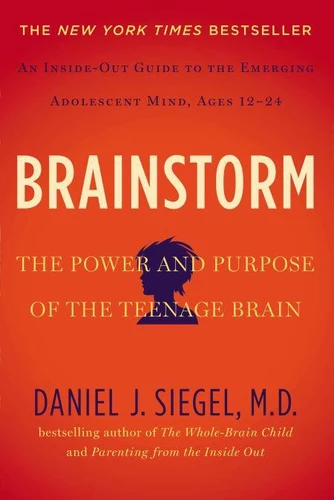
Brainstorm. The Power and Purpose of the Teenage Brain
Par :Formats :
Disponible dans votre compte client Decitre ou Furet du Nord dès validation de votre commande. Le format ePub protégé est :
- Compatible avec une lecture sur My Vivlio (smartphone, tablette, ordinateur)
- Compatible avec une lecture sur liseuses Vivlio
- Pour les liseuses autres que Vivlio, vous devez utiliser le logiciel Adobe Digital Edition. Non compatible avec la lecture sur les liseuses Kindle, Remarkable et Sony
- Non compatible avec un achat hors France métropolitaine
 , qui est-ce ?
Notre partenaire de plateforme de lecture numérique où vous retrouverez l'ensemble de vos ebooks gratuitement
Pour en savoir plus sur nos ebooks, consultez notre aide en ligne ici
C'est si simple ! Lisez votre ebook avec l'app Vivlio sur votre tablette, mobile ou ordinateur :

- Nombre de pages336
- FormatePub
- ISBN978-1-101-63152-2
- EAN9781101631522
- Date de parution07/01/2014
- Protection num.Adobe DRM
- Taille4 Mo
- Infos supplémentairesepub
- ÉditeurTarcher
Résumé
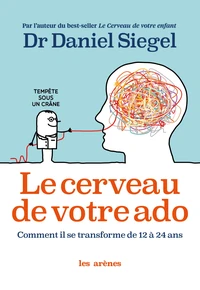
In this New York Times-bestselling book, Dr. Daniel Siegel shows parents how to turn one of the most challenging developmental periods in their children's lives into one of the most rewarding. Between the ages of twelve and twenty-four, the brain changes in important and, at times, challenging ways. In Brainstorm, Dr. Daniel Siegel busts a number of commonly held myths about adolescence-for example, that it is merely a stage of "immaturity" filled with often "crazy" behavior.
According to Siegel, during adolescence we learn vital skills, such as how to leave home and enter the larger world, connect deeply with others, and safely experiment and take risks. Drawing on important new research in the field of interpersonal neurobiology, Siegel explores exciting ways in which understanding how the brain functions can improve the lives of adolescents, making their relationships more fulfilling and less lonely and distressing on both sides of the generational divide.
According to Siegel, during adolescence we learn vital skills, such as how to leave home and enter the larger world, connect deeply with others, and safely experiment and take risks. Drawing on important new research in the field of interpersonal neurobiology, Siegel explores exciting ways in which understanding how the brain functions can improve the lives of adolescents, making their relationships more fulfilling and less lonely and distressing on both sides of the generational divide.