Nova Fairchild is an English-language author recognized for lyrical contemporary writing that blends emotional insight with themes of reinvention, creativity, and human connection. Her work often explores the quiet complexities of identity and ambition, combining elegant prose with reflective storytelling that feels both intimate and cinematic.
Nouveauté
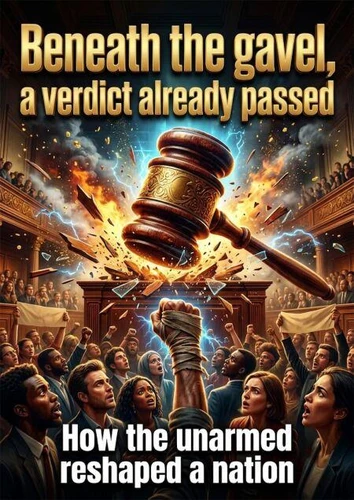
Beneath the gavel, a verdict already passed. How the unarmed reshaped a nation
Par :Formats :
Disponible dans votre compte client Decitre ou Furet du Nord dès validation de votre commande. Le format ePub est :
- Compatible avec une lecture sur My Vivlio (smartphone, tablette, ordinateur)
- Compatible avec une lecture sur liseuses Vivlio
- Pour les liseuses autres que Vivlio, vous devez utiliser le logiciel Adobe Digital Edition. Non compatible avec la lecture sur les liseuses Kindle, Remarkable et Sony
 , qui est-ce ?
Notre partenaire de plateforme de lecture numérique où vous retrouverez l'ensemble de vos ebooks gratuitement
Pour en savoir plus sur nos ebooks, consultez notre aide en ligne ici
C'est si simple ! Lisez votre ebook avec l'app Vivlio sur votre tablette, mobile ou ordinateur :

- Nombre de pages158
- FormatePub
- ISBN978-3-565-58683-7
- EAN9783565586837
- Date de parution25/07/2026
- Protection num.pas de protection
- Taille1 Mo
- Infos supplémentairesepub
- ÉditeurEmphaloz Publishing House
Résumé
The Civil Rights Act of 1964 did not fall from Washington. It was built by people whose names never made the news-sharecroppers, students, domestic workers who turned local injustice into national law. This book traces how ordinary Americans transformed private pain into public policy, from the Montgomery bus boycott to the Voting Rights Act of 1965. It examines the legal infrastructure that activists created, the strategic alliances between clergy and lawyers, and the legislative battles that nearly failed.
Why did some cities integrate peacefully while others burned? What happened when the movement shifted from streets to courtrooms? The answers reveal a history not of singular heroes but of sustained, collective pressure that reshaped American democracy. For readers seeking to understand how grassroots action becomes law, this account offers both a record of triumph and a warning about unfinished work.
Why did some cities integrate peacefully while others burned? What happened when the movement shifted from streets to courtrooms? The answers reveal a history not of singular heroes but of sustained, collective pressure that reshaped American democracy. For readers seeking to understand how grassroots action becomes law, this account offers both a record of triumph and a warning about unfinished work.