Dernière sortie
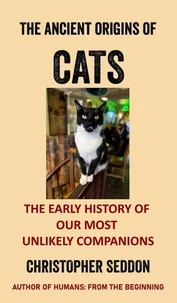
The Ancient Origins of Cats
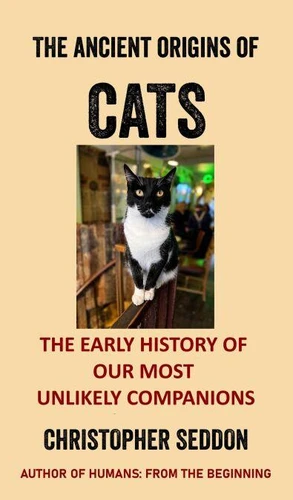
Of all the relationships humans have formed with animals, the most unlikely is that with cats. Unlike every other species domesticated by humans, the cats are solitary rather than herd animals. Yet relationship with them is very ancient. It began millennia before the invention of writing and evolved into one of the most enduring partnerships between humans and animals. Cats evolved from opportunistic wild predators to the familiar companion animals of today, yet they have remained fundamentally unchanged in their character.
Unlike other domesticated species, which were intentionally bred for food, work, or transport, or dogs, which were selectively bred for hunting and herding, cats apparently entered human society on their own terms. Of all the relationships humans have formed with animals, the most unlikely is that with cats. How, when, and where did this relationship start? Was it Ancient Egypt, where cats became revered and sacred animals? Or did the association between humans and cats begin thousands of years earlier, in Neolithic Cyprus?This short read examines the historical, archaeological, and genetic evidence for the origins of one of the oldest and most enduring partnerships between humans and animals.
This is the second in The Ancient Origins of series of 15, 000 word eBook Short Reads.
Unlike other domesticated species, which were intentionally bred for food, work, or transport, or dogs, which were selectively bred for hunting and herding, cats apparently entered human society on their own terms. Of all the relationships humans have formed with animals, the most unlikely is that with cats. How, when, and where did this relationship start? Was it Ancient Egypt, where cats became revered and sacred animals? Or did the association between humans and cats begin thousands of years earlier, in Neolithic Cyprus?This short read examines the historical, archaeological, and genetic evidence for the origins of one of the oldest and most enduring partnerships between humans and animals.
This is the second in The Ancient Origins of series of 15, 000 word eBook Short Reads.