Dernière sortie
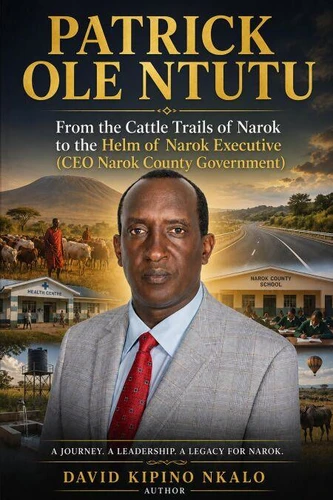
PATRICK OLE NTUTU
Patrick Ole Ntutu: From the Cattle Trails of Narok to the Governor's Office is a nonfiction-inspired political biography tracing the remarkable journey of Patrick Keturet Ole Ntutu from his pastoralist beginnings in Narok to becoming a senior public servant, Member of Parliament, Chief Administrative Secretary and Governor of Narok County. The book follows his formative years as the son of the late Paramount Chief Lerionka Ole Ntutu, his education at Narok High School, the disappointment of initially missing university admission, and the three years he spent herding cattle before an unexpected opportunity opened the door to education in the United States.
His journey through Roosevelt University, his return to Kenya and his early experiences in provincial administration form an important foundation for understanding the leadership path that followed. The narrative then moves through his service in government, wildlife conservation, eight years in Parliament, national government service and the 2022 gubernatorial election that brought him to the leadership of Narok County.
A major part of the book examines governance and development under his administration, including roads and bridges, education, healthcare, water, agriculture, livestock, pastoralism, churches and community institutions, youth empowerment, women's participation, tourism and the Maasai Mara. Rather than presenting development merely as statistics and infrastructure, the book explores the people behind these projects-the farmer, pastoralist, student, teacher, mother, health worker, entrepreneur, youth and ordinary citizen.
The final chapters examine transformation, legacy, the people behind development and the choices facing Narok leadership. They consider the importance of completing worthwhile projects, strengthening successful programmes and maintaining accountability. Ultimately, this book is a story about leadership, opportunity, public service, development and legacy, while inviting readers to reflect on the journey of a man whose life moved from the cattle trails of Narok to one of the highest offices in the county.
His journey through Roosevelt University, his return to Kenya and his early experiences in provincial administration form an important foundation for understanding the leadership path that followed. The narrative then moves through his service in government, wildlife conservation, eight years in Parliament, national government service and the 2022 gubernatorial election that brought him to the leadership of Narok County.
A major part of the book examines governance and development under his administration, including roads and bridges, education, healthcare, water, agriculture, livestock, pastoralism, churches and community institutions, youth empowerment, women's participation, tourism and the Maasai Mara. Rather than presenting development merely as statistics and infrastructure, the book explores the people behind these projects-the farmer, pastoralist, student, teacher, mother, health worker, entrepreneur, youth and ordinary citizen.
The final chapters examine transformation, legacy, the people behind development and the choices facing Narok leadership. They consider the importance of completing worthwhile projects, strengthening successful programmes and maintaining accountability. Ultimately, this book is a story about leadership, opportunity, public service, development and legacy, while inviting readers to reflect on the journey of a man whose life moved from the cattle trails of Narok to one of the highest offices in the county.
Les livres de David Kipino Nkalo

Broken Vows
E-book
4,49 €

After the Fire
E-book
3,49 €
3,49 €
4,49 €
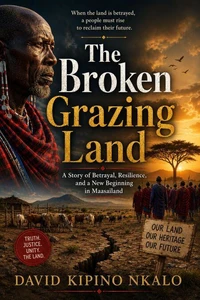
The Broken Grazing Land
E-book
4,49 €
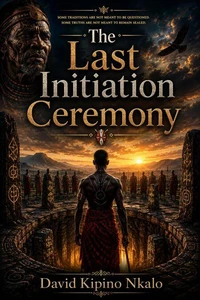
4,49 €
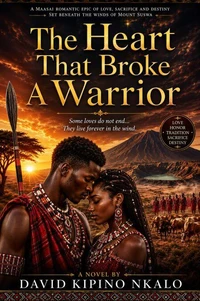
3,49 €
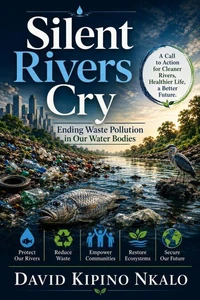

The Millionaire Forest
E-book
3,49 €
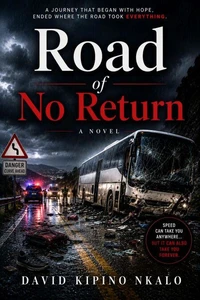
Road of No Return
E-book
2,99 €
3,49 €

No More Nations Fight
E-book
3,49 €
3,49 €

Formed in the Silence
E-book
3,49 €
1,99 €

Yes,It is Possible
E-book
5,49 €
4,49 €

2,99 €
The Heart of Kenya
E-book
3,49 €