Writes intellectual nonfiction about creativity, literature, and cultural memory.
Nouveauté
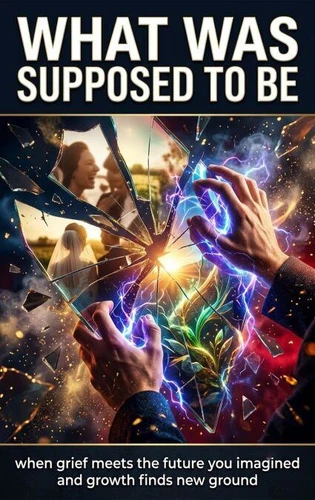
What was supposed to be. when grief meets the future you imagined and growth finds new ground
Par :Formats :
Disponible dans votre compte client Decitre ou Furet du Nord dès validation de votre commande. Le format ePub est :
- Compatible avec une lecture sur My Vivlio (smartphone, tablette, ordinateur)
- Compatible avec une lecture sur liseuses Vivlio
- Pour les liseuses autres que Vivlio, vous devez utiliser le logiciel Adobe Digital Edition. Non compatible avec la lecture sur les liseuses Kindle, Remarkable et Sony
 , qui est-ce ?
Notre partenaire de plateforme de lecture numérique où vous retrouverez l'ensemble de vos ebooks gratuitement
Pour en savoir plus sur nos ebooks, consultez notre aide en ligne ici
C'est si simple ! Lisez votre ebook avec l'app Vivlio sur votre tablette, mobile ou ordinateur :

- Nombre de pages190
- FormatePub
- ISBN978-3-565-55142-2
- EAN9783565551422
- Date de parution09/07/2026
- Protection num.pas de protection
- Taille788 Ko
- Infos supplémentairesepub
- ÉditeurEmphaloz Publishing House
Résumé
There's a particular ache in grieving a future that will never arrive. Not just the person or the moment lost, but all the tomorrows that were supposed to hold them. This book sits with that ache - the quiet devastation of plans rewritten by loss.
You know the feeling. The anniversary that now marks absence instead of celebration. The milestone they'll never witness. The life you were building that now feels like a half-finished house, exposed to weather you never expected.
And somewhere in the rubble, a voice asks: *What now?* This book doesn't have a blueprint for rebuilding. Instead, it offers something more honest: a way to honor what's gone while still stepping toward what's possible. It explores how grief can actually expand your capacity for hope - not the shallow hope of "everything happens for a reason, " but the deep, unsettling hope that emerges when you accept that some things have no reason at all. What was supposed to be is for anyone standing at the crossroads of loss and possibility, unsure how to move forward without betraying what they've lost.
Growth here isn't about replacement. It's about learning to hold both grief and hope in the same hands, and finding that neither diminishes the other.
And somewhere in the rubble, a voice asks: *What now?* This book doesn't have a blueprint for rebuilding. Instead, it offers something more honest: a way to honor what's gone while still stepping toward what's possible. It explores how grief can actually expand your capacity for hope - not the shallow hope of "everything happens for a reason, " but the deep, unsettling hope that emerges when you accept that some things have no reason at all. What was supposed to be is for anyone standing at the crossroads of loss and possibility, unsure how to move forward without betraying what they've lost.
Growth here isn't about replacement. It's about learning to hold both grief and hope in the same hands, and finding that neither diminishes the other.
A propos de Natalie Harrington


9,99 €