WAAC. The Woman's Story of the War
Par :Formats :
Disponible dans votre compte client Decitre ou Furet du Nord dès validation de votre commande. Le format ePub est :
- Compatible avec une lecture sur My Vivlio (smartphone, tablette, ordinateur)
- Compatible avec une lecture sur liseuses Vivlio
- Pour les liseuses autres que Vivlio, vous devez utiliser le logiciel Adobe Digital Edition. Non compatible avec la lecture sur les liseuses Kindle, Remarkable et Sony
 , qui est-ce ?
Notre partenaire de plateforme de lecture numérique où vous retrouverez l'ensemble de vos ebooks gratuitement
Pour en savoir plus sur nos ebooks, consultez notre aide en ligne ici
C'est si simple ! Lisez votre ebook avec l'app Vivlio sur votre tablette, mobile ou ordinateur :

- Nombre de pages157
- FormatePub
- ISBN859-65--4718562-8
- EAN8596547185628
- Date de parution16/08/2022
- Protection num.Digital Watermarking
- Taille485 Ko
- Infos supplémentairesepub
- ÉditeurDIGICAT
Résumé
WAAC is a profound and provocative exploration of the intricacies of identity and belonging, woven through narratives that challenge societal norms and expectations. The book employs a unique blend of first-person accounts and rich, descriptive prose, drawing readers into a world where the personal intersects with the political. The literary style is notable for its raw authenticity and poignant metaphor, which evoke a visceral understanding of the complexities of the human experience within contemporary socio-political landscapes.
The book's anonymous authorship adds an intriguing layer of mystique, reflecting the very themes of anonymity and visibility that permeate the text. Far from being a mere creative choice, this decision arguably stems from a desire to amplify voices often marginalized in discussions about identity. The author's background, steeped in activism and literary critique, has allowed for a deep engagement with the themes presented, as well as a nuanced understanding of the importance of storytelling in fostering empathy and connection.
I highly recommend WAAC to readers seeking a thought-provoking examination of identity, social justice, and the human condition. This book is not only a mirror reflecting our world but also a call to action, encouraging readers to engage deeply with the questions it raises and to consider their own positions within the narratives of others.
The book's anonymous authorship adds an intriguing layer of mystique, reflecting the very themes of anonymity and visibility that permeate the text. Far from being a mere creative choice, this decision arguably stems from a desire to amplify voices often marginalized in discussions about identity. The author's background, steeped in activism and literary critique, has allowed for a deep engagement with the themes presented, as well as a nuanced understanding of the importance of storytelling in fostering empathy and connection.
I highly recommend WAAC to readers seeking a thought-provoking examination of identity, social justice, and the human condition. This book is not only a mirror reflecting our world but also a call to action, encouraging readers to engage deeply with the questions it raises and to consider their own positions within the narratives of others.
A propos de Anonymous
Pistis Sophia
E-book
1,99 €

1,99 €
Greek Folk Tales
E-book
8,99 €
The Bhagavad Gita
E-book
0,49 €

0,49 €

The Dhammapada
E-book
0,49 €
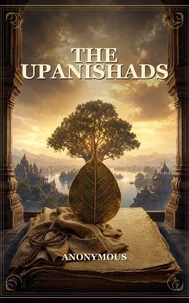
The Upanishads
E-book
0,49 €

The Rig Veda
E-book
0,49 €
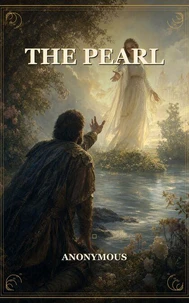
Sophie Jewett
E-book
0,49 €

Clements Markham
E-book
0,49 €

0,49 €
The London Prodigal
E-book
0,49 €
Arden of Faversham
E-book
0,49 €
Mucedorus
E-book
0,49 €
Unvoiced Feelings
E-book
2,99 €

Lazarillo de Tormes
E-book
0,49 €
Black Dreams
E-book
6,49 €

0,99 €
