
Brian Leslie is a coercive interrogation & interview techniques expert, with over 14 years of previous law enforcement experience which includes major case investigation and specialized training, as well as a term serving as Chief of Police. Mr. Leslie has testified and been qualified as an expert in Federal, State and Military Courts throughout the United States. You can contact Brian Leslie to consult on a case at 1-888-400-1309 or at [email protected]
Nouveauté
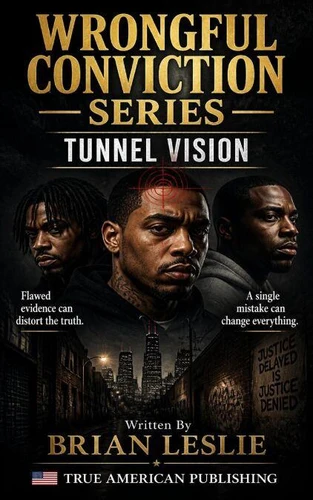
Tunnel Vision. Wrongful Conviction Series, #3
Par :Formats :
Disponible dans votre compte client Decitre ou Furet du Nord dès validation de votre commande. Le format ePub est :
- Compatible avec une lecture sur My Vivlio (smartphone, tablette, ordinateur)
- Compatible avec une lecture sur liseuses Vivlio
- Pour les liseuses autres que Vivlio, vous devez utiliser le logiciel Adobe Digital Edition. Non compatible avec la lecture sur les liseuses Kindle, Remarkable et Sony
 , qui est-ce ?
Notre partenaire de plateforme de lecture numérique où vous retrouverez l'ensemble de vos ebooks gratuitement
Pour en savoir plus sur nos ebooks, consultez notre aide en ligne ici
C'est si simple ! Lisez votre ebook avec l'app Vivlio sur votre tablette, mobile ou ordinateur :

- FormatePub
- ISBN8231290765
- EAN9798231290765
- Date de parution05/08/2026
- Protection num.pas de protection
- Infos supplémentairesepub
- ÉditeurWalzone Press
Résumé
A brazen armed robbery at a Chicago art gallery sends shockwaves through the city. Under intense media pressure, the police swiftly target Terrence Holloway, a young man with a minor record, seen near the scene. Detective Frank Russo, known for closing high-profile cases, leads the investigation. He quickly forms a theory of Terrence's guilt and ignores contradictory evidence, including a witness who saw a different man fleeing and a suspicious security camera time gap.
The department, eager for a quick resolution, supports Russo's theory, and alternative leads are dropped. Despite his pleas of innocence and his friend Carmen Delgado's efforts to rally community support, Terrence is convicted on circumstantial evidence. Rookie Officer Maya Patel notices inconsistencies in the case and quietly investigates. She discovers evidence that could clear Terrence, such as a witness statement and a possible alternate suspect.
Her attempts to raise these issues are dismissed by her superiors, who are committed to the original theory. Maya risks isolation and her career to pursue the truth, ultimately leaking information to a journalist. The leak sparks public debate, but it comes too late. Years after his conviction, new evidence surfaces, but before it can exonerate Terrence, he is killed in a prison altercation. Russo's partner, Detective Sean O'Malley, remains skeptical of alternative theories and dismisses doubts, reinforcing the department's culture of quick case closures over thoroughness.
Captain Leonard Walsh, head of the detective unit, prioritizes the department's reputation and public image, pressuring detectives to deliver fast results. The real perpetrator, Darius King, a career criminal skilled at evading law enforcement, manipulates evidence to frame Terrence and keep suspicion off himself. Public outrage follows Terrence's death, but systemic change is slow. The tragedy devastates his younger brother, Jamal, who struggles with anger and guilt.
His academic performance deteriorates as he loses faith in the justice system. Carmen continues to fight for justice and reform, but the official narrative proves hard to dislodge. The fallout underscores the dangers of tunnel vision and confirmation bias in criminal investigations. Maya's actions highlight the personal and institutional costs of challenging entrenched practices, while the department's failure illustrates the human cost of wrongful convictions.
Despite the tragedy, Maya's leak eventually leads to a broader push for accountability and change within the system.
The department, eager for a quick resolution, supports Russo's theory, and alternative leads are dropped. Despite his pleas of innocence and his friend Carmen Delgado's efforts to rally community support, Terrence is convicted on circumstantial evidence. Rookie Officer Maya Patel notices inconsistencies in the case and quietly investigates. She discovers evidence that could clear Terrence, such as a witness statement and a possible alternate suspect.
Her attempts to raise these issues are dismissed by her superiors, who are committed to the original theory. Maya risks isolation and her career to pursue the truth, ultimately leaking information to a journalist. The leak sparks public debate, but it comes too late. Years after his conviction, new evidence surfaces, but before it can exonerate Terrence, he is killed in a prison altercation. Russo's partner, Detective Sean O'Malley, remains skeptical of alternative theories and dismisses doubts, reinforcing the department's culture of quick case closures over thoroughness.
Captain Leonard Walsh, head of the detective unit, prioritizes the department's reputation and public image, pressuring detectives to deliver fast results. The real perpetrator, Darius King, a career criminal skilled at evading law enforcement, manipulates evidence to frame Terrence and keep suspicion off himself. Public outrage follows Terrence's death, but systemic change is slow. The tragedy devastates his younger brother, Jamal, who struggles with anger and guilt.
His academic performance deteriorates as he loses faith in the justice system. Carmen continues to fight for justice and reform, but the official narrative proves hard to dislodge. The fallout underscores the dangers of tunnel vision and confirmation bias in criminal investigations. Maya's actions highlight the personal and institutional costs of challenging entrenched practices, while the department's failure illustrates the human cost of wrongful convictions.
Despite the tragedy, Maya's leak eventually leads to a broader push for accountability and change within the system.
A propos de Brian Leslie
2,99 €
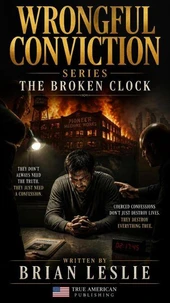
2,99 €
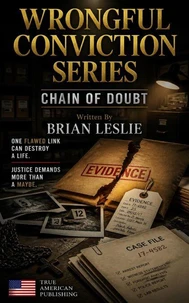
2,99 €
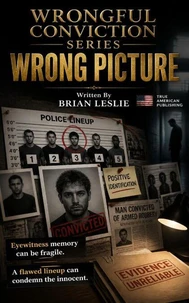
2,99 €

2,99 €
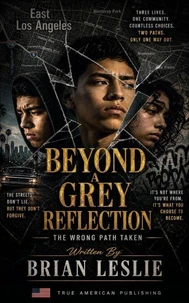
Beyond A Grey Reflection
E-book
5,49 €
5,49 €
5,49 €
A Cost To Belong
E-book
5,49 €
5,49 €

5,49 €
5,49 €
5,49 €
5,49 €

5,49 €
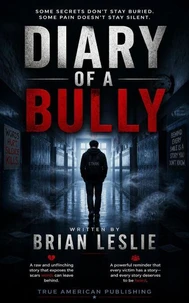
Diary Of A Bully
E-book
7,49 €
2,99 €