SOLDES
Jusqu'à -70% sur une sélection d'articles*

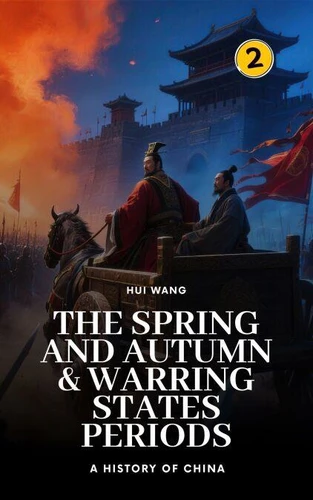
The Spring and Autumn & Warring States Periods: A History of China. A History of China, #2
Par :Formats :
Disponible dans votre compte client Decitre ou Furet du Nord dès validation de votre commande. Le format ePub est :
- Compatible avec une lecture sur My Vivlio (smartphone, tablette, ordinateur)
- Compatible avec une lecture sur liseuses Vivlio
- Pour les liseuses autres que Vivlio, vous devez utiliser le logiciel Adobe Digital Edition. Non compatible avec la lecture sur les liseuses Kindle, Remarkable et Sony
 , qui est-ce ?
Notre partenaire de plateforme de lecture numérique où vous retrouverez l'ensemble de vos ebooks gratuitement
Pour en savoir plus sur nos ebooks, consultez notre aide en ligne ici
C'est si simple ! Lisez votre ebook avec l'app Vivlio sur votre tablette, mobile ou ordinateur :

- FormatePub
- ISBN978-91-988468-7-4
- EAN9789198846874
- Date de parution30/11/2024
- Protection num.pas de protection
- Infos supplémentairesepub
- ÉditeurHui Wang
Résumé
A king lights emergency beacons just to make his favorite concubine laugh. A prince survives an assassination attempt by pretending to die with an arrow in his belt. A reformer builds the most powerful state in China-only to be destroyed by the very laws he created. Ancient Chinese history is full of moments like these, but you rarely hear them told this way. This book brings the turbulent Spring and Autumn and early Warring States periods to life as a series of vivid human dramas.
You'll meet rulers who gamble kingdoms for pride, strategists who change the fate of entire states with a single decision, and political survivors who turn exile, betrayal, and assassination into stepping stones to power. The story moves from the fall of Zhou authority and the rise of ambitious regional lords, through the brilliance of Guan Zhong and the ascent of Duke Huan of Qi, to the legendary rivalry of Sun Bin and Pang Juan, and finally to the ruthless reforms of Shang Yang that transformed Qin into the future conqueror of China. Instead of dry timelines and academic jargon, history unfolds here the way it actually happened: through personality, ambition, mistakes, and moments of sheer luck.
Court intrigue, battlefield strategy, and political genius all collide in chapters that read more like stories than lectures. If you enjoy big ideas made readable-like Sapiens, Mythos, or A Short History of Nearly Everything-this book will feel like sitting down with a storyteller who knows the past inside out. Start reading, and you may never look at ancient China the same way again.
You'll meet rulers who gamble kingdoms for pride, strategists who change the fate of entire states with a single decision, and political survivors who turn exile, betrayal, and assassination into stepping stones to power. The story moves from the fall of Zhou authority and the rise of ambitious regional lords, through the brilliance of Guan Zhong and the ascent of Duke Huan of Qi, to the legendary rivalry of Sun Bin and Pang Juan, and finally to the ruthless reforms of Shang Yang that transformed Qin into the future conqueror of China. Instead of dry timelines and academic jargon, history unfolds here the way it actually happened: through personality, ambition, mistakes, and moments of sheer luck.
Court intrigue, battlefield strategy, and political genius all collide in chapters that read more like stories than lectures. If you enjoy big ideas made readable-like Sapiens, Mythos, or A Short History of Nearly Everything-this book will feel like sitting down with a storyteller who knows the past inside out. Start reading, and you may never look at ancient China the same way again.