Nouveauté
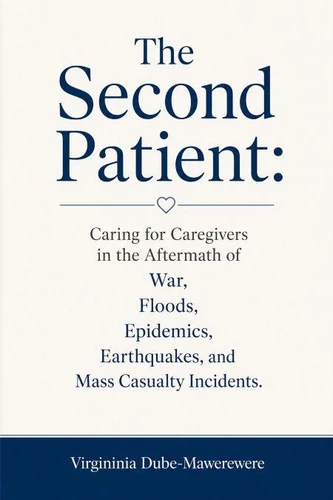
The Second Patient: Caring for Caregivers in the Aftermath of War, Floods, Epidemics, Earthquakes, and Mass Casualty Incidents
Par :Formats :
Disponible dans votre compte client Decitre ou Furet du Nord dès validation de votre commande. Le format ePub est :
- Compatible avec une lecture sur My Vivlio (smartphone, tablette, ordinateur)
- Compatible avec une lecture sur liseuses Vivlio
- Pour les liseuses autres que Vivlio, vous devez utiliser le logiciel Adobe Digital Edition. Non compatible avec la lecture sur les liseuses Kindle, Remarkable et Sony
 , qui est-ce ?
Notre partenaire de plateforme de lecture numérique où vous retrouverez l'ensemble de vos ebooks gratuitement
Pour en savoir plus sur nos ebooks, consultez notre aide en ligne ici
C'est si simple ! Lisez votre ebook avec l'app Vivlio sur votre tablette, mobile ou ordinateur :

- FormatePub
- ISBN8235452398
- EAN9798235452398
- Date de parution17/07/2026
- Protection num.pas de protection
- Infos supplémentairesepub
- ÉditeurIoakim Ioakim
Résumé
In every crisis, the world's attention turns naturally toward the victims, the wounded, the displaced, those left broken by grief. And yet, hovering in plain view, is another patient altogether: the caregiver. Doctors, nurses, paramedics, social workers, aid workers, and volunteers stand at the frontlines of war, floods, epidemics, earthquakes, and mass casualty events. They absorb the shockwaves of trauma while striving to restore life and dignity to others.
Too often, their own wounds go unseen, untreated, and unspoken. This book names the caregiver as the "second patient." It confronts the uncomfortable paradox that those trusted with healing can themselves become a source of harm when their trauma is left unaddressed. Burnout, compassion fatigue, and moral injury are not distant concepts; they are lived realities that ripple outward, touching patients, families, and whole systems.
The suffering of a healer, when ignored, can destabilize the very institutions built to safeguard communities. The chapters that follow weave together clinical insight, case studies, and systemic critique. They trace how trauma moves like a contagion, how institutions fracture when caregiver needs are dismissed, and how recovery becomes possible through therapy, peer solidarity, and personal resilience.
Each section insists on a fundamental shift in thinking: that we must care for caregivers with the same urgency we extend to those they serve.
Too often, their own wounds go unseen, untreated, and unspoken. This book names the caregiver as the "second patient." It confronts the uncomfortable paradox that those trusted with healing can themselves become a source of harm when their trauma is left unaddressed. Burnout, compassion fatigue, and moral injury are not distant concepts; they are lived realities that ripple outward, touching patients, families, and whole systems.
The suffering of a healer, when ignored, can destabilize the very institutions built to safeguard communities. The chapters that follow weave together clinical insight, case studies, and systemic critique. They trace how trauma moves like a contagion, how institutions fracture when caregiver needs are dismissed, and how recovery becomes possible through therapy, peer solidarity, and personal resilience.
Each section insists on a fundamental shift in thinking: that we must care for caregivers with the same urgency we extend to those they serve.