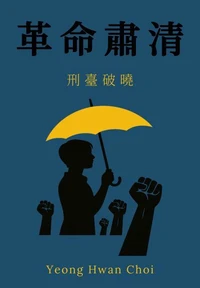
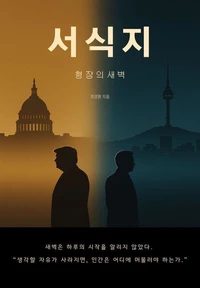
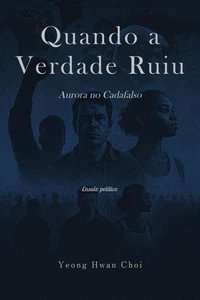
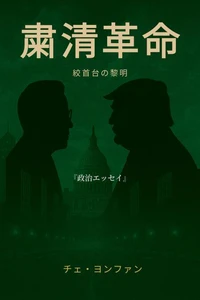
"When does totalitarianism arrive?" This book is my attempt to answer that question. I have watched the ideals of equality, rights, and protection drift into a single current that narrows the space in which people can think and speak. Freedom was cut away while most were asleep. Promises made in the name of safety and fairness hardened into rules that closed mouths and discouraged questions. Every society loses its freedom in a familiar sequence.
At daybreak, laws leave gaps. Responsibility is pushed aside. Leaders press inward and smile outward. People became entries on a chart. Their weight as human beings fades. The place where I live followed the same course. A brilliant young man fled because he sensed the shift earlier than most. A government turned its discipline inward and its loyalties elsewhere. Some lives became symbols; others were reduced to numbers.
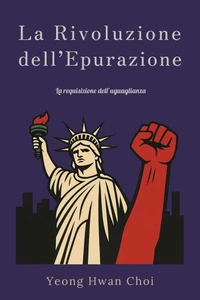
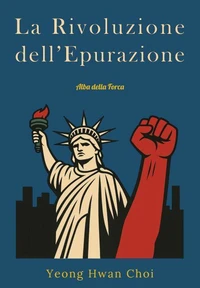
Small scenes-three restless insects on an autumn night, the notion of "clean trash, " a symbol of liberty carried off to another shore-revealed the system's character more clearly than any speech could. Once statistics bury what happened, people accept the result and stop asking why. Control settles in that pause. I ended up here while defending my freedom. The real divide now is simple: the individual, or the state.
I have seen moral language turned into a tool of power. I have seen groups trading in good intentions while draining compassion from those around them. I questioned my own anger and held on to what remained of my judgment. Other countries already showed how rules made in the name of fairness harden into doctrine and erase the principle of leaving one another alone. I never wanted to interfere with anyone.
But they stepped into the space that belonged to me. Acknowledging another's existence is one thing; enforcing a belief is another. If someone is free to trust in equality, another must be free to question it. I am not virtuous. I simply could not bear the pressure placed on my thinking. Some days I stopped writing because the words no longer belonged to me. To struggle with the world is to struggle with oneself. Dawn no longer marked the beginning of a day.
It marked the hour when moral slogans covered everything, and invisible rules cut the deepest. Control comes quietly, waiting for the moment no one notices. So I return to the same question:"When the freedom to think is gone, what is left of a human being?"
"When does totalitarianism arrive?" This book is my attempt to answer that question. I have watched the ideals of equality, rights, and protection drift into a single current that narrows the space in which people can think and speak. Freedom was cut away while most were asleep. Promises made in the name of safety and fairness hardened into rules that closed mouths and discouraged questions. Every society loses its freedom in a familiar sequence.
At daybreak, laws leave gaps. Responsibility is pushed aside. Leaders press inward and smile outward. People became entries on a chart. Their weight as human beings fades. The place where I live followed the same course. A brilliant young man fled because he sensed the shift earlier than most. A government turned its discipline inward and its loyalties elsewhere. Some lives became symbols; others were reduced to numbers.
Small scenes-three restless insects on an autumn night, the notion of "clean trash, " a symbol of liberty carried off to another shore-revealed the system's character more clearly than any speech could. Once statistics bury what happened, people accept the result and stop asking why. Control settles in that pause. I ended up here while defending my freedom. The real divide now is simple: the individual, or the state.
I have seen moral language turned into a tool of power. I have seen groups trading in good intentions while draining compassion from those around them. I questioned my own anger and held on to what remained of my judgment. Other countries already showed how rules made in the name of fairness harden into doctrine and erase the principle of leaving one another alone. I never wanted to interfere with anyone.
But they stepped into the space that belonged to me. Acknowledging another's existence is one thing; enforcing a belief is another. If someone is free to trust in equality, another must be free to question it. I am not virtuous. I simply could not bear the pressure placed on my thinking. Some days I stopped writing because the words no longer belonged to me. To struggle with the world is to struggle with oneself. Dawn no longer marked the beginning of a day.
It marked the hour when moral slogans covered everything, and invisible rules cut the deepest. Control comes quietly, waiting for the moment no one notices. So I return to the same question:"When the freedom to think is gone, what is left of a human being?"

 , qui est-ce ?