SOLDES
Jusqu'à -70% sur une sélection d'articles*

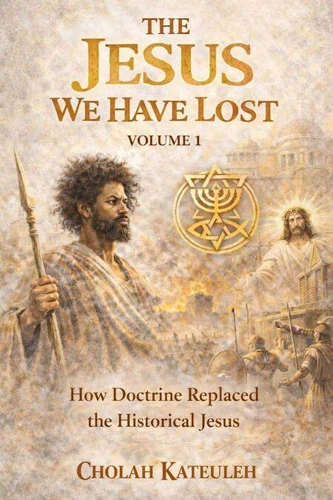
The Jesus we Have Lost: How Doctrine Replaced the Historical Jesus. Jesus Uncovered, #1
Par :Formats :
Disponible dans votre compte client Decitre ou Furet du Nord dès validation de votre commande. Le format ePub est :
- Compatible avec une lecture sur My Vivlio (smartphone, tablette, ordinateur)
- Compatible avec une lecture sur liseuses Vivlio
- Pour les liseuses autres que Vivlio, vous devez utiliser le logiciel Adobe Digital Edition. Non compatible avec la lecture sur les liseuses Kindle, Remarkable et Sony
 , qui est-ce ?
Notre partenaire de plateforme de lecture numérique où vous retrouverez l'ensemble de vos ebooks gratuitement
Pour en savoir plus sur nos ebooks, consultez notre aide en ligne ici
C'est si simple ! Lisez votre ebook avec l'app Vivlio sur votre tablette, mobile ou ordinateur :

- FormatePub
- ISBN8233400599
- EAN9798233400599
- Date de parution27/12/2025
- Protection num.pas de protection
- Infos supplémentairesepub
- ÉditeurLinda Balsamo
Résumé
The Jesus We Have Lost: Hidden Facts about the Origins of ChristianityVolume One of The Jesus We Have Lost challenges the inherited story of Christian origins by returning Jesus to his historical ground. Drawing on critical scholarship, Roman history, and Second Temple Judaism, this volume argues that Christianity did not simply preserve the Jesus movement-it reshaped it. Rather than treating scripture as neutral record, the book examines how authority, fear, and theology determined what was remembered, reinterpreted, or excluded.
It situates Jesus within the politically volatile world of Roman-occupied Judea, marked by messianic expectation, popular resistance, and competing Jewish movements. In this context, Jesus and his followers emerge not as isolated spiritual figures, but as participants in a wider struggle over power, identity, and hope. The volume traces how this Jewish movement was transformed into a universal religion, focusing especially on the decisive role of Paul and the reinterpretation of messianic ideas after crucifixion.
Hebrew scripture, prophetic language, and salvation itself are shown to have been reread through new theological lenses shaped by imperial reality and Greco-Roman religious culture. This book does not dismiss faith, nor does it offer sensational conclusions. Instead, it raises a disciplined but unsettling question: what was gained-and what was lost-when a historical movement became a theological system? By exposing the distance between the Jesus of history and the Christ of doctrine, Volume One invites readers to reconsider how Christianity was formed and why the Jesus it remembers may not be the Jesus who first lived.
It situates Jesus within the politically volatile world of Roman-occupied Judea, marked by messianic expectation, popular resistance, and competing Jewish movements. In this context, Jesus and his followers emerge not as isolated spiritual figures, but as participants in a wider struggle over power, identity, and hope. The volume traces how this Jewish movement was transformed into a universal religion, focusing especially on the decisive role of Paul and the reinterpretation of messianic ideas after crucifixion.
Hebrew scripture, prophetic language, and salvation itself are shown to have been reread through new theological lenses shaped by imperial reality and Greco-Roman religious culture. This book does not dismiss faith, nor does it offer sensational conclusions. Instead, it raises a disciplined but unsettling question: what was gained-and what was lost-when a historical movement became a theological system? By exposing the distance between the Jesus of history and the Christ of doctrine, Volume One invites readers to reconsider how Christianity was formed and why the Jesus it remembers may not be the Jesus who first lived.