SOLDES
Jusqu'à -70% sur une sélection d'articles*

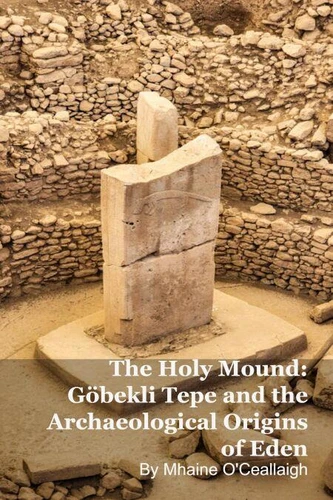
The Holy Mound: Göbekli Tepe and the Archaeological Origins of Eden
Par : ,Formats :
Disponible dans votre compte client Decitre ou Furet du Nord dès validation de votre commande. Le format ePub est :
- Compatible avec une lecture sur My Vivlio (smartphone, tablette, ordinateur)
- Compatible avec une lecture sur liseuses Vivlio
- Pour les liseuses autres que Vivlio, vous devez utiliser le logiciel Adobe Digital Edition. Non compatible avec la lecture sur les liseuses Kindle, Remarkable et Sony
 , qui est-ce ?
Notre partenaire de plateforme de lecture numérique où vous retrouverez l'ensemble de vos ebooks gratuitement
Pour en savoir plus sur nos ebooks, consultez notre aide en ligne ici
C'est si simple ! Lisez votre ebook avec l'app Vivlio sur votre tablette, mobile ou ordinateur :

- FormatePub
- ISBN8233127687
- EAN9798233127687
- Date de parution11/01/2026
- Protection num.pas de protection
- Infos supplémentairesepub
- ÉditeurLinda Balsamo
Résumé
The Holy Mound: Göbekli Tepe and the Archaeological Origins of Eden The Holy Mound: Göbekli Tepe and the Archaeological Origins of Eden presents a revolutionary reinterpretation of humanity's oldest temple. This scholarly yet accessible work argues that the 11, 600-year-old site in southeastern Turkey preserves the historical kernel behind the Sumerian Duku and biblical Eden traditions. Drawing on archaeological evidence, Sumerian texts, and biblical scholarship, the book traces how cultural memory transmitted across six millennia through geographic continuity, ritual practice, and symbolic vocabulary.
The work challenges conventional narratives by demonstrating that sophisticated religious architecture preceded agriculture rather than following it, suggesting that organized religion catalyzed the Neolithic Revolution. Chapters examine the T-shaped pillars as ancestral beings, the handbag motifs linking Göbekli Tepe to later Mesopotamian iconography, the skull cult and excarnation practices, and the deliberate burial that transformed the functioning temple into the mythological "holy mound." The book engages seriously with scholarly debates while critiquing pseudoarchaeological theories, ultimately arguing that Göbekli Tepe reveals humans as ritual beings before agricultural beings, driven by the fundamental need to create sacred centers and tell origin stories.
The work challenges conventional narratives by demonstrating that sophisticated religious architecture preceded agriculture rather than following it, suggesting that organized religion catalyzed the Neolithic Revolution. Chapters examine the T-shaped pillars as ancestral beings, the handbag motifs linking Göbekli Tepe to later Mesopotamian iconography, the skull cult and excarnation practices, and the deliberate burial that transformed the functioning temple into the mythological "holy mound." The book engages seriously with scholarly debates while critiquing pseudoarchaeological theories, ultimately arguing that Göbekli Tepe reveals humans as ritual beings before agricultural beings, driven by the fundamental need to create sacred centers and tell origin stories.